

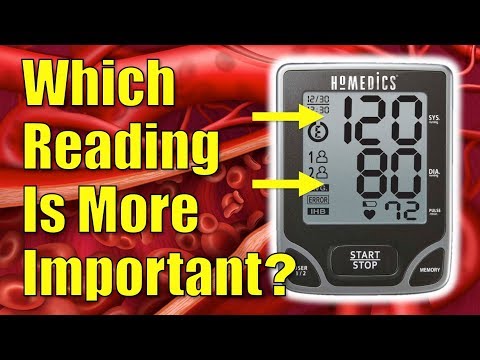
Alright, let’s chat about something we all kinda know but might not really understand—blood pressure. You ever heard the numbers 90 over 50? Sounds like a sports score, right? But it’s actually a thing that can say a lot about your health.
So, here’s the deal: blood pressure tech is evolving. And I mean fast! It’s making it easier for folks to keep tabs on their hearts. That can be super helpful, especially if you wanna avoid surprises down the road.
You might be wondering why you should care about those numbers. Well now, imagine knowing exactly what they mean and how they impact your day-to-day life. Pretty cool, huh?
Stick around because we’re diving into the world of blood pressure insights! Get ready for some eye-opening stuff!
Understanding Low Blood Pressure: What to Do If Your Reading is 90/50
Okay, so let’s chat about low blood pressure, especially when you see a reading like 90/50. You might be wondering if that’s normal or something to worry about. Well, blood pressure is all about how hard your heart works to pump blood through your arteries. When it’s too low, like this number suggests, it can sometimes cause you to feel a bit off.
First off, what exactly does 90/50 mean? The first number (90) is the systolic pressure. That’s when your heart beats and pumps blood. The second number (50) is the diastolic pressure. This one shows how much pressure is in your arteries when your heart relaxes between beats. So, together they help paint a picture of how hard your heart is working.
If you’re feeling dizzy or lightheaded with that reading, it’s not totally uncommon. Sometimes it can happen when you stand up too fast or skip meals—stuff like that can lower your blood pressure more than usual. And hey, I’ve been there! One time I jumped up to grab my phone and suddenly felt like I was floating away—totally unfair!
- Stay Hydrated: Drinking enough water is key! Dehydration can make your blood pressure drop.
- Salt it Up: Adding a bit of salt to your meals may help raise those numbers—just don’t overdo it!
- Avoid Long Periods of Standing: If you’re standing still for a long time at work or while waiting in line, it might be worth finding a place to sit down for a minute.
- Eat Smaller Meals: Large meals can redirect blood flow to your stomach and cause low BP; smaller portions throughout the day could help.
You know what? Low blood pressure isn’t automatically bad news for everyone. Some people just have naturally lower numbers without any issues at all! But if you’re feeling symptoms like fainting spells or constant fatigue, it’s definitely smart to chat with a healthcare professional.
The bottom line here? A reading of 90/50 isn’t a crisis by itself, but listen to your body! If something feels off, don’t hesitate to seek some help. Your well-being comes first!
Effective Strategies to Safely Elevate Blood Pressure from 90 to 50
So, let’s talk about blood pressure—specifically, those numbers like 90 over 50. It might sound familiar or maybe even a bit scary, right? The thing is, when we’re looking at blood pressure, we usually want to see it at a healthy level. If it’s too low, like your friend who always skips breakfast and feels wobbly by noon, it can lead to some not-so-fun symptoms.
Now, you might wonder: is there a way to bring that number up safely? Sure thing! Here are some strategies that could help boost those levels without doing anything wild:
- Stay Hydrated: Seriously though, drinking enough water is so important. Dehydration can mess with your blood pressure. Aim for that magical eight glasses a day!
- Eat Enough Salt: A little sprinkle of salt can actually help raise blood pressure. But hey, don’t go overboard! Just be mindful of how much you’re using.
- Small Frequent Meals: Instead of going for the big lunch that leaves you in a food coma, try smaller meals throughout the day. They’ll keep your energy steady and can help avoid those nasty dips.
- Avoid Alcohol: Alcohol can lower your BP more than you think. So if you notice you’re feeling lightheaded after a drink, maybe skip it for a while.
- Get Up Slowly: When you’ve been sitting or lying down, take your time getting up. Sometimes standing too quickly can make you feel dizzy if your blood pressure is low.
Let’s just pause here for a sec—one time I had my friend over who felt dizzy after standing up super fast from the couch. We thought it was funny until he told me about his low BP history! It reminded me how this stuff is serious.
So anyway, these tips aren’t magic fixes; they’re just some gentle nudges in the right direction! Always keep in mind that what works for one person might not work for another—and that’s totally okay. If you’re feeling off or have concerns about your blood pressure numbers or health in general—hey—catch up with a healthcare pro!
Understanding Blood Pressure: Is 90 Over 52 Considered Too Low?
So, blood pressure, huh? It’s one of those things people often talk about, but what does it really mean? Well, your blood pressure is how hard your blood presses against the walls of your arteries as your heart pumps it around. It’s measured in two numbers, like 120 over 80. The first number, called systolic pressure, shows the pressure when your heart beats. The second number, diastolic pressure, shows the pressure when your heart rests between beats.
Now, is 90 over 52 low? That’s a bit below what many consider “normal.” Normal is usually around 120 over 80. But if you’re feeling fine and not dizzy or weak, it might not be a big deal. Some folks naturally have lower blood pressure without any issues.
Let’s break down what low blood pressure can feel like. You might experience:
- Dizziness or lightheadedness
- Fatigue
- Nausea
- Blurry vision
It’s kind of funny because I once felt super lightheaded while standing in line at my favorite coffee shop—totally embarrassing! Turns out my blood pressure was low that day. I just needed to drink more water and grab a bite to eat!
But here’s the catch: low blood pressure isn’t always a problem. For some people, it’s just their normal state. Athletes or super healthy individuals may have lower readings and still feel great.
However, if you’re frequently feeling off with those kinds of numbers or have other health conditions going on, it’s smart to chat with a healthcare professional about it. Just remember—to keep things in perspective! Everyone’s body is different.
So, next time you see those numbers on a monitor or a chart—like 90 over 52—keep an open mind and listen to how you’re really feeling!
Exploring the Whoop 5.0 Upgrade: Features, Benefits, and User Insights
So, you’ve probably heard about the Whoop 5.0 upgrade, right? It’s been making waves in the fitness and wellness community lately. With all this buzz, it’s super easy to get excited about what it can do. Let’s chat about some of its features, benefits, and what users are saying!
First up: Features! The Whoop 5.0 is packed with new tech that aims to give you insights into your body like never before. One standout feature is its ability to track blood pressure, specifically focusing on those important numbers you mentioned—90 over 50. This could be a game changer for folks wanting to monitor their heart health closely.
- Sleek Design: It’s lighter and even more comfortable than previous versions.
- Advanced Metrics: The upgrade offers deeper insights into your sleep patterns and recovery times.
- Real-time Feedback: You get updates on your performance, helping you adjust as needed during workouts.
Now let’s talk benefits. The Whoop 5.0 isn’t just about looking good on your wrist; it can also help improve your overall health routine! Imagine being able to see how well you’re recovering from a tough workout or if you’re getting enough restful sleep after a long day.
User Insights: Real people are sharing their experiences online, and it’s pretty interesting. Many users say that tracking their blood pressure has given them peace of mind, especially those with concerns about low blood pressure levels like the 90 over 50 scenario we mentioned earlier.
And let me tell you about my friend Sarah. She started using the Whoop last month after feeling constantly drained at work. After seeing her recovery scores improve day by day, she made small changes—like adjusting her bedtime—and now she feels a ton better!
To wrap things up, the Whoop 5.0 upgrade blends style with performance while providing valuable data that can empower users in their health journey. But remember, while this tech is helpful for self-monitoring, it’s still important to chat with a healthcare professional regarding any health concerns!
Hey there! So, let’s chat about that whole blood pressure thing. You know, it’s one of those medical buzzwords that can sound a bit scary or complicated. But honestly? It doesn’t have to be!
I remember a while back when my buddy Jake had his first experience with the ol’ blood pressure cuff. We were at a routine check-up, and he freaked out when the nurse said his reading was 90 over 50. He thought that meant he was on death’s door or something. But, hey, that’s just not how it works! That reading can actually be totally normal for some folks.
So what’s the deal with these numbers? First off, blood pressure is basically how hard your blood is pushing against the walls of your arteries as your heart pumps it around. That top number (the systolic) measures pressure when your heart beats—it’s like a little cheerleader shouting “Go!” And the bottom number (the diastolic) measures pressure when your heart is resting between beats—think of it as a moment of peace.
Now, if we talk about tech related to blood pressure—there’s been such an explosion of smart gadgets lately! Seriously, some devices are so sleek and user-friendly that you might even find yourself wanting to check your blood pressure just for fun. They can give you insights about your heart’s health over time, which is pretty nifty if you ask me.
But here’s where it gets interesting: having lower blood pressure readings like 90 over 50 might not always be a bad thing. For people who are fit or athletes, it could mean their heart is super efficient! On the other hand, if you’re feeling weak or dizzy with readings like that? Well then, that’s something to pay attention to.
And look—here’s the thing: even if you’re using cool tech to monitor your health and gain insights into what those numbers really mean for you personally, it’s all gotta be paired with actual advice from healthcare pros. That’s just common sense!
So next time you hear someone worried about their blood pressure or read an article saying “low is bad,” remember Jake and all those mixed messages out there. It’s really all about context and understanding what’s normal for YOU! Blood pressure tech can unlock some neat insights—but always keep in mind that nothing beats chatting with someone who knows their stuff in person.
Anyway, take care of yourself out there!
