

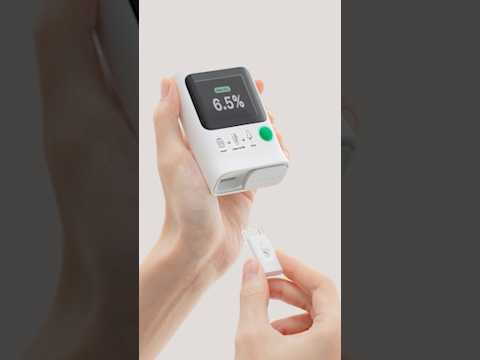
Hey there! So, you ever heard of A1C? It’s not just a fancy term thrown around in doctors’ offices. Seriously, it’s a pretty big deal when it comes to your health.
Imagine this: You go for your check-up, and the doc mentions your A1C level. What does that even mean? Well, it’s like a sneak peek at how well your body is handling sugar over time. Pretty cool, right?
Now, let’s chat about that magic number 5.5. It shows up in conversations about diabetes and overall health. It can be a game changer—especially with all these new health tech innovations popping up everywhere!
Stick around! We’re diving into what A1C 5.5 really means and how tech is making waves in keeping us healthy. Trust me; you don’t wanna miss this!
Understanding A1C Levels: Should You Worry About a 5.5 Reading?
Hey there! Let’s dive into something that might sound a bit technical but is super important for keeping your health in check. We’re talking about A1C levels. Specifically, what does it mean if your A1C reading is 5.5? Should you be worried? Spoiler alert: not really. But let’s break it down!
Your A1C is basically a blood test that shows how well your body has been managing blood sugar over the past two to three months. It’s like a report card for your glucose levels! So, when you hear someone mention an A1C level of 5.5%, they’re looking at a pretty standard score.
Here’s the simple scoop:
- Normal Range: An A1C level under 5.7% is considered normal.
- Prediabetes: Levels between 5.7% and 6.4% indicate prediabetes.
- Diabetes: Anything above 6.4% suggests diabetes.
If you’re sitting pretty at 5.5%, you’re doing alright! This level generally implies that your blood sugar is in a healthy range, so there’s no need to panic.
Now, I remember my friend Sarah freaking out because she got a 5.6 on her test before, thinking it was the end of the world! I told her to chill out! She started paying attention to her diet and even added some fun walks into her routine, but she didn’t have to go overboard with worry.
The thing is, while a reading of 5.5 isn’t worrisome, it’s always wise to keep an eye on things as life goes on—stuff happens, ya know? Eating well and staying active can help keep those numbers in check!
But hey, remember this: having an A1C level doesn’t replace what you get from talking to healthcare professionals. If you’ve got questions or concerns about your health or numbers—reach out! Your doctor can give you personalized advice that fits you best.
So there you have it! A quick chat about A1C levels and whether or not that 5.5 reading should make you sweat—or not!
Understanding Blood Sugar Levels: Does a Reading of 5.5 Indicate Diabetes?
So, let’s chat about blood sugar levels! You might’ve heard that a reading of 5.5 could indicate something about diabetes. Well, here’s the scoop on that.
First off, what exactly is blood sugar? It’s basically the amount of glucose (a type of sugar) in your blood. Your body uses this glucose for energy. Pretty cool, right?
Now, when we talk about readings, there are different ways to measure blood sugar. One common way is with the A1C test. This test gives you an average of your blood sugar levels over the past couple of months. A reading of 5.5% means that your average blood sugar level is pretty normal. But hang on; let’s break this down.
- A reading below 5.7% is generally considered normal.
- A range between 5.7% and 6.4% is where things might get a little dicey — it could mean prediabetes.
- If it’s above 6.4%, that’s where diabetes may come into play.
So if your A1C shows 5.5%, you’re in the clear as far as diabetes goes! That said, it doesn’t mean you can throw caution to the wind and eat all the candy you want! Keeping an eye on your diet and lifestyle choices is still super important.
You know, my friend Sarah was worried when her doctor mentioned her readings during a check-up last year. She had a reading right around that mark too—about 5.6%. She did some research and learned all this stuff about maintaining healthy blood sugar levels through simple changes in her diet and exercise routine.
And while Sarah kept up her healthy habits, it’s essential to remember that everyone’s body is unique! What works for one might not work for another.
To wrap it up: a reading of 5.5 alone does not indicate diabetes, but it’s a good idea to stay informed and keep chatting with your doctor about your health goals! After all, understanding these numbers can help you make better choices moving forward.
Just remember: I’m sharing info here so you can be more aware—always check in with healthcare pros for anything specific to your health!
Understanding the New A1C Goals: What Patients and Caregivers Need to Know
So, you’ve probably heard a bit about A1C and why it’s important. Basically, it’s a blood test that helps you check your average blood sugar levels over the past two to three months. Knowing your A1C can be super helpful for managing diabetes or just keeping track of your overall health.
Now, what’s this new buzz about A1C goals? Well, they’re changing! Doctors and health experts are getting together and figuring out new targets to help folks like you stay healthier for longer. The idea is that we want these goals to be realistic and balanced.
So, let me break it down for ya. Here are some points you might find interesting:
- A1C Levels: Traditionally, an A1C level below 7% has been viewed as a good target for people with diabetes. But now, some experts suggest lower levels like 5.5% might be even better.
- Technology’s Role: With all the cool health tech today—like continuous glucose monitors—you can get real-time feedback on your blood sugar. That makes reaching those A1C goals a lot easier.
- Individual Approach: Remember that everyone’s body is unique! Just because 5.5% works for one person doesn’t mean it’s right for you or someone else.
- Caretaker Awareness: If you’re helping someone manage their diabetes, understanding these updated goals will help you support them better in making lifestyle choices that work.
Just last week, my buddy Sam shared his journey with A1C levels. He struggled to keep his numbers down while juggling work and family life—totally relatable! After using some tech gadgets to monitor his levels more closely, he saw changes he never thought were possible. He hit that sweet spot of 5.5%—and man, was he excited! It made all the difference in how he felt day-to-day.
Anyway, if you’re diving into this world of new A1C goals or supporting someone who is, just keep in mind: what matters most is finding what works best for each person involved. Always chat it out with healthcare professionals—they’ll give more precise insights tailored just for you!
Effective Strategies to Lower Your A1C Levels from 5.5 and Improve Diabetes Management
Hey there! So, let’s dive into A1C levels and why they matter for anyone who’s keeping tabs on their blood sugar. If your A1C is at 5.5%, that’s pretty good, but there’s always room for improvement, right? Healthy habits can help you stay on track and manage diabetes better!
Now, **A1C** is a blood test that shows your average blood sugar over the last three months. A level of 5.5% means you’re in a healthy range, but if you’re looking to lower it further or maintain it, here are some strategies:
- Eat Smart: Focus on whole foods like fruits, veggies, lean proteins, and whole grains. Try to cut down on sugary snacks and beverages.
- Stay Active: Regular physical activity can really help manage those blood sugar levels. Even taking a brisk walk after meals can make a difference!
- Keep Stress in Check: Stress can cause your blood sugar to spike. Find ways to relax like yoga, meditation or even just hanging out with friends.
- Get Enough Sleep: Believe it or not, poor sleep can mess with your body’s ability to regulate blood sugar. Aim for 7-9 hours of quality sleep each night.
- Monitor Your Levels: Keeping an eye on your blood sugar can help you see what works for you and what doesn’t. It gives you a game plan!
You know how when the weather changes unexpectedly? Sometimes it’s hard to prepare for it. Well managing diabetes feels like that sometimes! My friend Sara struggled with her A1C levels for months until she started incorporating small changes in her diet and getting into running—now she’s so much more energetic! It just goes to show that making adjustments pays off.
And remember, while these strategies can help improve your health and well-being, they’re not a replacement for professional healthcare advice. Make sure to chat with your healthcare provider about any changes you’re considering!
So there you have it! With the right approach and attitude, you can really boost your health game and keep things steady with that A1C level.
So, let’s talk about A1C. You might be wondering, “What the heck is that?” Well, it’s a measure of your average blood sugar over the past two to three months. Pretty neat, right? When we see numbers like 5.5, it usually means things are looking pretty good!
I remember when my buddy Sam got his A1C results back. He had been so worried about diabetes, you know? But when he saw that 5.5 on the paper, he practically jumped out of his chair! It felt like a huge weight off his shoulders. Moments like those really make you appreciate how important managing our health is—because it gives us peace of mind.
Now, let’s dive into why this matters with all the tech innovations popping up everywhere! With wearables and apps tracking everything from your heart rate to your sleep patterns, managing your blood sugar has become way easier than ever before. Seriously, just slap on a smart watch or check your phone for insights on how certain foods affect your A1C levels. It’s like having a little health coach in your pocket!
And here’s a thought: these gadgets help you stay aware and proactive about your health. You can make choices that better support not only your A1C but also overall well-being! Plus, you get to occasionally geek out over data visualization—who doesn’t love colorful graphs showing how far you’ve come?
But hey, remember: while this tech is super cool and helpful, it doesn’t replace talking to healthcare professionals. They still hold the keys to interpreting those results and giving personalized advice.
So yeah—it’s exciting times with health tech innovations leading the charge toward better well-being! Keeping an eye on things like A1C can be empowering and help put you in control of your health journey. I mean—who wouldn’t want that?
