

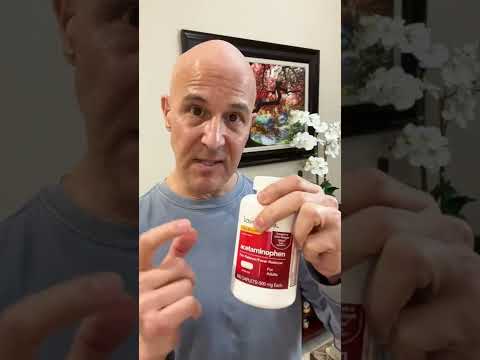
Hey there! So, let’s chat about something we all kinda take for granted: acetaminophen. You know, the pain relief superhero everyone swears by?
But here’s the thing: it can lead to some serious trouble if you’re not careful. I mean, nobody wants to end up in a sticky situation over a little pain relief, right?
Acetaminophen overdose is more common than you’d think. It sneaks up on you—especially when you mix it with other meds or have no clue how much you’re actually taking.
But don’t panic yet! There are some pretty cool ways out there to help us keep those risks at bay. Seriously, let’s dive in and figure out how we can stay safe while still giving that pesky pain the boot!
Essential Strategies to Prevent Acetaminophen Overdose: A Complete Guide
Hey there! So, let’s have a chat about acetaminophen. You know, that common pain reliever we all have lying around? It’s super helpful for headaches, fevers, and all that. But here’s the catch: taking too much can seriously mess with your liver. And nobody wants that! Let me share some easy and practical ways to prevent an acetaminophen overdose.
1. Read the Labels
This one seems obvious, right? But seriously, always check the label before popping a pill. Many cold and flu medications also have acetaminophen in them. Combining them can sneak up on you!
2. Know Your Dosage
It’s crucial to stick to the recommended dosage. For most adults, it’s usually 500 to 1000 mg every four to six hours, not going over 3000 mg in total per day. Sounds simple? It is! But when you’re not feeling well, it’s easy to forget.
3. Keep Track of Your Meds
If you’re taking multiple medications or helping someone who is, keep a list of everything being taken, including doses and times. A little notebook or even a notes app can be your lifesaver here!
4. Avoid Alcohol While Using
This one’s serious: mixing acetaminophen with alcohol puts extra stress on your liver. So if you’re having fun with friends and drinks are involved, maybe skip the Tylenol for that headache!
5. Don’t Self-Medicate
Feeling really sick? Instead of guessing dosages or combining meds without consulting someone, reach out for advice. Calling a healthcare professional can be pretty crucial; they can give you a clearer picture.
6. Store It Safely
Keeps those meds out of reach from kids or anyone who might accidentally take more than needed! Seriously—dangers lurk not just in doses but also in accessibility.
I remember my friend once grabbed some cold medicine during flu season without checking what else she had taken that day. It was a close call! We laughed later but realized how easily it could’ve gone wrong.
The thing is: keeping acetaminophen safe means just being aware and responsible about it! So next time you’re reaching for that little bottle of relief, keep these points in mind to make sure you’re using it wisely.
And remember—while I’m here sharing tips and helpful information with ya, it’s always best to consult with your healthcare provider if you’ve got any concerns or questions about medications!
Essential Tips for Patients: Preventing Acetaminophen Mishaps and Ensuring Safe Use
Sure! Let’s talk about acetaminophen. You might know it better as Tylenol or Panadol. It’s super common and can be really effective for pain relief and reducing fever. But, just like with anything else, too much of a good thing can be bad for you.
Preventing acetaminophen mishaps is all about being smart and careful. Here are some tips that might help you use it safely:
- Always follow the dosage instructions. Seriously, those instructions on the bottle aren’t just suggestions; they’re there for a reason! Taking too much can lead to serious issues.
- Read labels carefully. You’d be surprised how many products contain acetaminophen—like cold medicines and even some prescription drugs. So, check what you’re taking!
- Don’t mix medications without checking. If you’re taking more than one medication, make sure they don’t both have acetaminophen in them. It’s easy to not realize it!
- If you drink alcohol regularly, talk to your doctor. Combining acetaminophen with alcohol can increase the risk of liver damage. It’s best to play it safe here!
- If you’re unsure about anything, ask! Seriously, don’t hesitate to reach out to a pharmacist or your healthcare provider if you have questions or concerns.
So, let me share a quick story. A friend of mine once thought he could take extra acetaminophen because he had a terrible headache that just wouldn’t quit. He figured it couldn’t be that bad since he had taken it before without any problem. But guess what? He ended up feeling super ill! After that experience, he learned the importance of sticking to the recommended dose.
The key takeaway? Always be aware of what you’re taking and how much! Your health matters more than any headache relief in the moment. And remember, this info doesn’t replace talking to a professional—always consult someone who knows their stuff if you’re in doubt.
Stay safe out there!
Effective Treatments for Acetaminophen Overdose: A Comprehensive Guide
So, let’s talk about acetaminophen overdose. You might know it better as Tylenol, right? It’s often found in our medicine cabinets, but too much of a good thing can definitely turn sour. You know how sometimes you take something for a headache and then forget you took it? Yeah, that can be risky.
Acetaminophen is generally safe when used as directed. But if you accidentally take too much, your liver can take a serious hit. That’s why knowing what to do in case of an overdose is super important. It’s all about being prepared.
Recognizing Symptoms
First things first: spotting the signs. You might not feel anything at first, which is sneaky! But later on, you could experience nausea, vomiting, or even confusion. If someone is experiencing these symptoms after taking more than the recommended dose, it’s time to act fast.
Get Help Immediately
This isn’t the moment to hesitate. Call poison control or head to the emergency room right away! Seriously, don’t wait around thinking it’ll get better on its own.
Treatment Options
Once you’re at the hospital—or if you’re helping someone else—the medical team will jump into action with some effective treatments. Here are a few they might consider:
- Activated Charcoal: This helps absorb the acetaminophen in your stomach.
- N-Acetylcysteine (NAC): This is a special antidote that protects your liver if given early enough.
- Supportive Care: Sometimes they just keep an eye on you and manage symptoms as they come up.
Oh! And here’s a little emotional tidbit: I once knew someone who thought they could handle their cold with extra doses of Tylenol. They ended up in the ER after realizing their mistake. Thankfully, they got the help they needed just in time and now always double-checks their meds!
Prevention Is Key
Let’s not forget prevention! Keeping track of how much acetaminophen you’re taking can really save you from trouble down the road. Always read labels and avoid mixing medications without checking first.
In wrapping this up—remember that understanding acetaminophen overdose is important because knowing what to do can make all the difference. Just remember: if something feels off or uncertain regarding doses and symptoms, don’t hesitate to contact healthcare professionals for assistance!
Alternative Treatments for Paracetamol Overdose: Exploring Effective Options
Okay, let’s dive into something pretty serious: paracetamol overdose. You know, this is one of those situations where people might accidentally take too much of that common painkiller. So, what happens next? Well, they might start looking for alternatives to help them out.
If you think about it, there are some interesting options out there when it comes to managing the effects of a paracetamol overdose. But just to be clear, these aren’t substitutes for a doctor’s help. Always call in the pros when you’re in a jam!
- N-acetylcysteine (NAC): This is like the superhero for acetaminophen overdoses! It helps your liver recover by restoring something it uses to neutralize toxins. Seriously, it’s often given in emergency cases.
- Activated Charcoal: So, if someone realizes they’ve taken too much paracetamol right away, sometimes doctors might suggest activated charcoal. It can bind to the drug and help reduce its absorption in the body. But timing is everything here!
- Supportive Care: This one sounds simple but can be super effective. Keeping an eye on vital signs and providing comfort is essential while health professionals manage the situation.
- Hydration Therapy: Staying hydrated helps your organs work better and can support recovery. Fluids through an IV could be given depending on how severe things are but listen up—this needs medical supervision!
So here’s a little story for you: I once heard about a friend who accidentally took double her usual dose before a big exam—yikes! Thankfully she sought help immediately and got NAC treatment right away. She said she felt so relieved afterward when she learned that she was going to be okay.
Anyway, it’s important to remember that these treatments shouldn’t replace professional healthcare advice or assistance. If you or anyone you know ever faces this type of situation, don’t hesitate for even a second—reach out for expert help!
So, let’s chat about acetaminophen, or as many folks know it, Tylenol. You might pop it for headaches or muscle aches, and it works wonders. But here’s the thing, it can be a bit sneaky. It feels safe, but taking too much can lead to some scary situations. Seriously! Acetaminophen overdoses are more common than you’d think and it can mess with your liver big time.
I remember this one time when my buddy Sam thought he could just keep taking acetaminophen for a bad cold because he wanted to feel better fast. At first, it seemed harmless until he started feeling really nauseous and just… not right. Turns out he was way over the recommended dose! He ended up in the ER, feeling like the world was ending over something that seemed so simple. That definitely shook him up—and me too!
Now, when I think about preventing these kinds of risks, it’s all about awareness. It’s surprising how many people don’t realize that multiple medications can have acetaminophen in them! So if you’re taking a few things at once—like cold meds and pain relievers—you might be racking up your dose without even knowing. Yikes!
It would be great if there were more innovative ways to keep people informed or maybe even tech solutions? Imagine an app that helps track your acetaminophen intake based on everything you’ve taken throughout the day. Seriously cool idea, right? Or maybe clear labeling on packs that puts “Hey! This has acetaminophen” right in front of your eyes in bold letters.
And then there’s education—getting the word out there so folks know what safe limits are is super important. Sometimes all we need is a reminder from someone we trust to help us take a step back and check what we’re doing.
So yeah, while acetaminophen can be really helpful when used correctly, caution is key! Let’s stay informed and look after each other—you never know who might need a little nudge to check their meds at the right time.
