

Hey there! Have you ever thought about how important breathing really is? Yeah, I mean, it’s kinda crucial for life, right? But what if I told you that some folks struggle with it more than they should, and it could all boil down to these little things called adenoids?
Yeah, those tiny glands can mess with your airways without you even knowing. Crazy, huh? So let’s dive into the future of adenoid removal. It’s not just about surgery anymore; there’s a whole revolution happening in how we think about breathing better! Stick around; this could change everything for those who are tired of feeling breathless.
Understanding the Long-Term Effects of Adenoid Removal: What You Need to Know
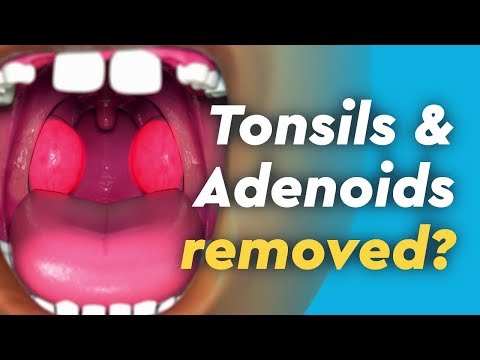
So, let’s chat about adenoids and what happens when they’re taken out. Adenoids are those little patches of tissue in the back of your throat, kind of like tonsils. Sometimes, they can get all swollen and cause trouble with breathing or lead to a bunch of other issues like frequent ear infections. That’s when a doctor might suggest removing them. But what happens after that?
First off, most people notice an improvement in their breathing right away. Imagine finally being able to breathe freely through your nose after struggling for ages! It’s pretty amazing how much we take that for granted.
- Better Sleep: Many folks who have had adenoid removal report sleeping better. Less snoring means more peaceful nights!
- Fewer Ear Infections: Since the adenoids can block Eustachian tubes (those little tubes that connect your throat to your ear), taking them out often means fewer pesky ear infections.
- Improved Speech: If you’ve been dealing with speech issues due to swollen adenoids, once they’re gone, you might just sound clearer and more confident when you talk!
Now, here’s a more emotional vibe for ya: think about a kid who’s always feeling tired and cranky because they can’t breathe well during the night. After surgery, they wake up refreshed! The first time they run outside to play without gasping for air? That’s pure joy—like watching a flower bloom after winter!
But wait! Not everything is sunshine and rainbows. Some people might face long-term effects. For instance:
- Nasal Changes: Some individuals notice their voices sound different or have a change in nasal airflow.
- Allergies: Kids who have their adenoids removed may be more prone to allergies later on.
No one wants to think about complications—totally understandable—but it’s important to know what could happen down the road. Remember that this info is just to help you understand; if you’re considering surgery or have concerns, talking to a healthcare professional is really key!
The long-term effects of adenoid removal can vary from person to person. And hey, life is all about choices and finding out what’s best for you or your little ones. So keep those discussions going with trusted health folks!
Understanding the Negative Effects of Adenoid Removal: What You Need to Know
So, let’s chat about adenoid removal. You might’ve heard it’s a common procedure for kids, especially if they have issues like snoring or repeated infections. But guess what? It’s not all smooth sailing. There are some negatives to consider after the surgery.
First off, let’s talk about breathing. Sure, people usually notice better airflow right after the operation, but some kids may actually struggle with breathing more once the adenoids are out. Sometimes their body doesn’t adjust well to the change. Imagine your friend is used to riding a bike with training wheels, and then suddenly they’re off those wheels and finding their balance all over again!
Then there’s the matter of infections. While removing adenoids can help with preventing certain ear and throat issues, it doesn’t guarantee it won’t happen again later on. Some kids still face ear infections or sinus trouble, which can be super frustrating.
Also, let’s not forget about the emotional side of things! For some kids, surgery can feel a bit overwhelming. They might be nervous about going under anesthesia or feel out of sorts during recovery. Feeling different after a big change is totally normal!
Now you might wonder what else could change post-surgery. Here are some aspects to think about:
- Speech changes: Some children might experience temporary speech issues as they heal.
- Diet adjustments: Eating can be tricky right after surgery due to soreness.
- Pain management: Discomfort in the throat is common and must be managed.
So yeah, while there are benefits to getting rid of those pesky adenoids that cause trouble for many kids—better breathing and fewer infections being big ones—there can also be downsides worth considering before making a decision.
At the end of the day, every kid is different. If you’re thinking about this procedure for yourself or someone you love, make sure to talk it over with a healthcare professional who knows their stuff! They’re the best resource when it comes down to figuring this all out—and that’s super important!
Understanding the Pros and Cons of Adenoid Removal: A Comprehensive Guide
So, you’ve probably heard about adenoid removal and maybe even thought about it for yourself or your child. Well, let’s break it down a bit. First off, adenoids are small lumps of tissue at the back of your nose, kind of like tonsils but in a different spot. They help fight infections during childhood, but sometimes they can cause problems. Here’s where we can get into the pros and cons.
- Pros:
- Improved Breathing: If your adenoids are enlarged, they can block airflow. Removing them might help you breathe easier.
- Less Frequent Infections: Some folks notice fewer ear infections or sinus issues post-surgery.
- Better Sleep: If snoring or sleep apnea is an issue, getting rid of those pesky adenoids could lead to deeper sleep.
You might think: “Sounds great! Why wouldn’t everyone do this?” Well, hold on just a second. There are some downsides to consider too.
- Cons:
- Surgery Risks: As with any surgery, there are risks involved like bleeding or infection.
- Pain and Recovery: You might experience pain afterward; recovery isn’t always smooth sailing for everyone.
- Possible Change in Immune Response: Since adenoids play a role in immune function, removing them may impact how your body fights off illnesses.
I remember my best friend’s little brother going through this whole thing. He had chronic sinus issues and after his surgery, he was breathing so much better—it was almost magical! But he did need time to recover and had his fair share of discomfort too.
The thing is, it really varies from person to person. Always consult with a healthcare professional if you’re considering this route because every body is different. Make sense?
Adenoid removal isn’t just about solving one issue; it’s important to weigh everything carefully before making decisions!
Exploring the Long-Term Effects of Adenoid Removal in Adults: Impacts on Health and Quality of Life
So, you know adenoids? Those little masses of tissue hiding at the back of your throat? Yup, they’re part of your immune system, but sometimes they can cause quite a hassle. While we often hear about kids getting their adenoids removed, adults can go through it too. Let’s dive into what happens after that surgery, shall we?
First off, breathing improvements are a biggie! Many adults report easier airflow through their noses post-surgery. If you’ve ever felt stuffed up or struggled with snoring, this can be life-changing. Imagine finally getting to sleep without feeling like you’re wearing a pillow over your face!
Another thing folks note is a reduction in sinus infections. The adenoids can be like an unwanted party crasher in your throat, leading to more sinus troubles. After removal, some people notice fewer infections and less congestion. It’s kind of like clearing out the clutter from that one messy room in your house—you just feel better!
Also, let’s chat about quality of life. A lot of adults who have undergone this procedure mention feeling more energetic and just… well, better overall! They find it easier to take deep breaths while exercising or even during casual walks. More oxygen means more pep in your step!
However, it’s not all sunshine and rainbows. Some might experience chronic throat issues. Post-surgery irritation or even a dry throat can happen now and then. It’s important to recognize that every person’s recovery journey is unique.
Lastly, there’s the emotional aspect—some people feel nervous before the surgery. That fear of change is totally valid! But remember that talking to someone you trust about these feelings can really help ease those nerves.
In summary:
- Breathing improvements: Easier airflow through the nose.
- Reduction in sinus infections: Fewer sniffles means less misery.
- Boosted quality of life: More energy and easier breathing during activities.
- Potential chronic throat issues: Dryness or irritation might occur.
It’s super essential to keep in mind that while these changes can be positive for many people, everyone reacts differently after having their adenoids removed. So if you’re ever considering this option, chatting with a healthcare pro would be the best way to get personalized advice tailored just for you!
Breathing is something we take for granted, right? It’s just… there, happening automatically. But if you’ve ever struggled with it, you know how frustrating that can be. I remember my friend Sam as a kid; he had constant issues with his breathing because of his adenoids. He was often tired and cranky. Seriously, we’d be playing outside, and he’d have to stop because he couldn’t catch his breath. It made me realize how important even the simplest actions—like breathing—are to our daily lives.
Now, let’s talk about adenoids for a second. For some folks who don’t know, they’re these little clumps of tissue located at the back of your nose. They help fight infections, which is great when you’re a kid! But sometimes they can get too big, leading to all sorts of problems like snoring or sleep apnea, making life pretty tough.
But here’s where things start getting exciting! Recent advancements in medical tech are changing the game when it comes to adenoid removal. Traditionally, it was a surgical procedure that could feel intimidating and invasive. You know? An overnight stay in the hospital and all that jazz. Now though? There’s talk about less invasive methods—think lasers and even robotic techniques that mean quicker recovery times and less pain *overall*. It’s amazing to think about how far we’ve come!
Imagine not having to struggle for air anymore after a simple procedure that gets you breathing right again! It’s like flipping a switch on your quality of life—the thought just makes me smile.
Sure, there are still many opinions floating around this topic since every situation is different. Some people might prefer traditional methods outta habit or trust issues with new tech (and honestly, I get that). But keep in mind: as we move into this future, it seems there’s hope for smoother paths when dealing with something as essential as breathing.
Anyway, we’re all about enjoying life fully—that includes easy breaths while running around or simply lounging on the couch without feeling winded! So here’s to hoping awareness grows around not only what adenoids are but also how we can tackle any resulting issues with modern solutions!
