

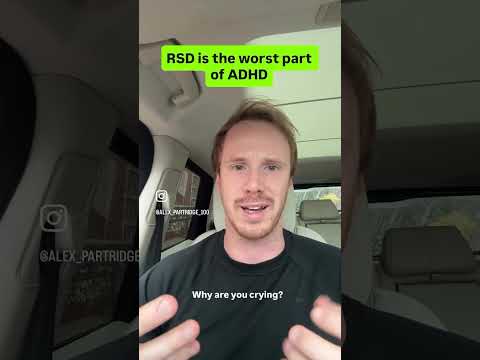
Hey there! So, let’s talk about something that’s super important but often gets overlooked—ADHD and RSD in the tech-driven marketing world.
You know how it feels to be juggling a million things at once? Now imagine trying to keep all those balls in the air while navigating the fast-paced chaos of marketing. It can be a wild ride!
A lot of folks with ADHD face challenges like distractions and overwhelm, but there’s so much more to it. And then there’s RSD—rejection sensitive dysphoria—like this sneaky little gremlin that makes feedback feel like a punch in the gut. Ouch!
But here’s the thing: you’re not alone in this. We’re diving into how people with ADHD can thrive in these techy spaces, and trust me—it’s not just about surviving. It’s about finding your unique rhythm and rocking it! Ready to jump in? Let’s go!
Exploring the Unique Strengths of Individuals with ADHD in Marketing Careers
Alright, so let’s dive into the world of ADHD and how it fits into marketing careers. You might be wondering, what’s the deal with ADHD in this field? Well now, people with ADHD often have some unique strengths that can really shine in marketing.
First off, creativity is one of the superpowers many folks with ADHD possess. Think about it: when your brain is buzzing with ideas, you can come up with out-of-the-box solutions that others might miss. This ability to think differently can lead to super innovative marketing campaigns that grab attention. Seriously, who wouldn’t want a fresh perspective in a field that thrives on creativity?
Another strength is hyperfocus. Yup, you heard me right! While ADHD can sometimes make it hard to concentrate on boring stuff, when something sparks your interest—boom! You’re locked in. This means that when an individual with ADHD finds a project they care about, they can put their heart and soul into it and produce some amazing work.
- High energy levels: This can be fantastic for fast-paced environments like marketing.
- Problem-solving skills: Often creative thinkers find unique ways to tackle challenges.
- Empathy: Many people with ADHD are really in tune with others’ emotions. This helps a ton when creating relatable content for audiences.
Now, there’s something important here: sometimes individuals with ADHD might also face challenges like RSD (Rejection Sensitive Dysphoria). This can make feedback feel way more intense than it does for others. That said, having the right support and environment can help turn this around into something positive.
The thing is, the tech-driven marketing space is constantly changing. So embracing different ways of thinking—like those from individuals with ADHD—can add so much value! If you’re in this kind of career or thinking about diving into it, remember: your unique traits can actually be your biggest assets.
So yeah, being different isn’t just okay—it’s often what sets you apart and makes you shine. It’s all about finding ways to harness those strengths while navigating through the challenges.
Exploring the Neurodivergent Aspects of Rejection Sensitive Dysphoria (RSD)
Hey there! So, let’s chat about something that can really flip the script for people dealing with ADHD: Rejection Sensitive Dysphoria, or RSD for short. If you’re not familiar, RSD is this intense emotional response some folks experience when they feel rejected or criticized. It’s like a punch in the gut, and it can hit super hard.
Now, picture this: you’re working on a project at your tech job. You pour your heart into it, and when it’s time for feedback, someone says just one little thing could be better. Sounds harmless, right? But for someone with RSD, that feedback can feel like a total disaster! You might find yourself spiraling into feelings of worthlessness or even panic.
In tech-driven marketing spaces, where creativity and collaboration are key, managing RSD is crucial. Here are some things to keep in mind:
- Awareness: Recognizing when those feelings kick in is a big first step. It helps you decide how to react rather than just feeling overwhelmed.
- Communication: Being open with your team about how you process feedback can help create a supportive environment. You’d be surprised how understanding others can be!
- Coping strategies: Finding personal techniques—like taking breaks or practicing mindfulness—can make a huge difference during stressful times.
- Support networks: Connecting with others who get it is so valuable! Whether it’s friends, coworkers or online communities, sharing experiences can lighten the load.
You know what? It’s totally okay to feel sensitive about rejection; you’re not alone in this! Embracing those neurodivergent traits while navigating spaces like tech marketing doesn’t have to be daunting. It’s all about finding strategies that work for you and creating an environment where everyone feels valued.
The thing is, while understanding RSD can help us cope better, it’s super important to remember that these feelings don’t define your abilities. So hang in there and keep being awesome!
Understanding Rejection Sensitive Dysphoria in Individuals with ADHD
Rejection Sensitive Dysphoria, or RSD for short, is something many people with ADHD experience. It’s a tough feeling that makes you super sensitive to rejection or criticism. Imagine waiting for feedback on a project, and when it comes, even slight negativity makes your heart sink. It’s not just about feeling hurt; it can feel overwhelmingly intense.
In tech-driven marketing spaces, where feedback is quick and often blunt, navigating RSD can be particularly tricky. Here’s what you might want to keep in mind:
- Intense Emotions: People with RSD can feel emotions very strongly. A small comment might feel like a huge blow.
- Fear of Rejection: The worry about being rejected might lead to avoiding situations altogether. Picture missing out on job opportunities because you’re scared of what others might think.
- Impact on Work: This sensitivity can affect your performance and creativity in work settings. You might hesitate to share ideas or take risks.
- Coping Strategies: Finding ways to cope with these feelings is key. Talking it out with friends or using mindfulness techniques can help you manage those intense emotions.
To put this into perspective, think about how you feel when you’re sharing something that really means a lot to you—like a new project at work. If someone dismisses it lightly, it could hit harder than expected if you’re dealing with RSD.
It’s important to remember that RSD isn’t just “sensitivity.” It goes deeper and can really affect daily life. But hey, if you’re feeling this way, know you’re not alone in it! There are folks who totally understand what you’re going through.
So remember: while understanding RSD is crucial for better managing your feelings in the workplace, seeking out support from friends or professionals—even just to chat—is always an awesome idea! Just don’t forget this isn’t medical advice; it’s all about understanding each other better in the world we live in today.
So, let’s talk about something that really hits home for a lot of people these days—navigating ADHD and RSD in our crazy tech-driven marketing world. Seriously, if you’ve got ADHD, you might already feel like you’re trying to juggle flaming swords while riding a unicycle. And when you throw in RSD—rejection sensitive dysphoria—it can feel like a whirlwind sometimes, right?
I remember this one time, I was working on a marketing project with a tight deadline. I had all these ideas swirling around in my head, but the pressure of presenting them literally made my heart race. It’s so frustrating because you want to contribute and share your creativity. But then there’s that nagging voice reminding you how harsh feedback can feel, especially when your brain is wired like mine.
In tech-driven spaces, where everything moves faster than you can say “SEO optimization,” it can be really overwhelming. Notifications pinging every second, data analytics popping up like candy bar ads—you know what I mean? Those distractions can make it hard to focus on what really matters: the message we want to get out there.
But here’s the thing: technology isn’t just a hurdle; it can also be a game changer! You could set up tools or apps designed for organization and focus that help manage the whirlwind of tasks. Also, connecting with supportive teams who understand your struggles? That’s golden! When everyone gets that feedback can sting and that sharp criticism feels amplified, it creates an environment where you can flourish instead of shrink.
But seriously—it takes practice. Finding ways to manage ADHD means trial and error. Some days are awesome; other days? Not so much! It’s about learning to ride the waves instead of getting knocked off the board by each incoming tide.
So whether you’re cranking out social media posts or diving into data analysis, just remember: it’s okay to take breaks and check in with yourself. Staying aware of how your brain buzzes and what works best for you makes all the difference in this wild tech market. At the end of the day, embracing who we are—including those quirks—can lead us toward some pretty amazing creative breakthroughs!
