

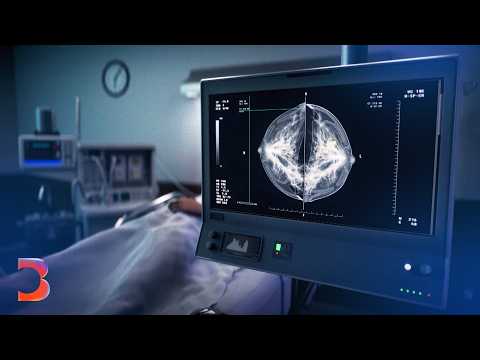
Hey there! So, imagine this: you’re feeling under the weather, and instead of waiting for days at the doctor’s office, a little robot buddy helps figure out what’s going on in a snap. Sounds wild, right?
That’s what AI technology is bringing to the table in healthcare. It’s like having a super-smart assistant who can analyze mountains of data quicker than you can say “healthcare revolution!”
And the best part? This isn’t some far-off future idea—it’s happening now. Just think about how cool it would be for diagnosis to become faster and more accurate with the help of machines.
Stick around, because we’re diving into how smart health tech is shaking things up and making life easier for everyone involved!
Transforming Healthcare: The Impact of AI on Medical Diagnostics
Hey there! So, have you noticed how technology is sneaking into just about every part of our lives? Well, the world of healthcare is no exception, and one big player in this transformation is AI, or artificial intelligence. This stuff isn’t just for robots in movies; it’s seriously changing how medical diagnostics work.
The thing is, traditional diagnostic methods can sometimes be slow and even a little tricky. Doctors use their skills and experience to interpret tests and scans, which is awesome but not always perfect. And here’s where AI steps in; it can analyze images or data way faster than any human eye ever could! Imagine a computer that can spot patterns faster than you can say “X-ray.”
- Speed: AI can process tons of information in seconds. That means quicker results for patients!
- Accuracy: It helps reduce human error. Sometimes docs might miss something minor, but AI? It catches those tiny details.
- Predictive Analysis: AI systems can predict what might happen next based on previous data. It’s like having a crystal ball but rooted in science!
- Accessibility: For people in remote areas, AI tools can help bridge the gap when specialized care isn’t immediately available.
You know that moment when someone gets life-changing news at the doctor’s office? It’s overwhelming. But with better diagnostics powered by AI, patients might experience less waiting time and better-informed decisions.
This isn’t all sunshine and rainbows though! There are concerns about privacy and the need for human touch in healthcare. Sure, AI is cool and all—but nothing beats that comforting hug from a doctor who really knows you.
The bottom line? AI is transforming medical diagnostics, making them faster and possibly more accurate. But remember, it’s not here to replace our medical professionals—it’s more like a super sidekick. So next time you hear about AI in healthcare, think about all the ways it could improve patient experiences while still keeping things personal!
Unlocking the Future of Healthcare: Understanding Smart Health Prediction with AI
Hey there! Let’s chat about something pretty exciting that’s been buzzing in the healthcare world—Smart Health Prediction using good ol’ AI. Yeah, that’s right! Technology is strutting its stuff in ways we never imagined.
So, what’s the deal with this smart health prediction? Well, it’s all about using artificial intelligence to forecast health issues before they even crop up. Imagine having a buddy who can see into the future… not in a creepy way, but to help you stay healthy. Sounds cool, right?
AI takes loads of patient data—think medical history, lifestyle choices, and even genetic info—and looks for patterns. It’s like having a super-smart detective on your side! Here are some key points to wrap your head around:
- Data Analysis: AI sifts through mountains of data way faster than a human could.
- Predictive Models: These fancy models can help forecast diseases based on trends.
- Early Detection: Finding health issues early can mean smoother sailing with treatment.
- Personalized Care: You get a healthcare plan that fits you like a glove!
Imagine this: A friend of mine had some weird symptoms and went to the doctor. Instead of guessing what was up, they used an AI tool that analyzed her records and determined she might be at risk for something specific. It felt almost magic when they caught it early, and she got ahead of it!
But here’s the thing—while AI is super smart and can be incredibly useful, it doesn’t replace healthcare professionals. Doctors still need to interpret those predictions and decide on what steps to take next. So don’t toss out the white coats just yet!
In sum, smart health predictions with AI are shaking things up in healthcare! It offers hope for earlier detection and more tailored care. Just remember: this tech is here to assist—not to replace those human experts who’ve got your back!
Exploring the Transformative Role of AI in Revolutionizing Healthcare
Hey there! So, you might have heard about how **AI** is shaking things up in the healthcare world. Seriously, it’s like having a super-smart buddy helping doctors. Let’s dive into how this tech is changing the game for diagnosis!
First off, what’s AI? Well, it stands for artificial intelligence. It’s like teaching a computer to think and learn from data—kind of like how you pick up new skills or habits. In healthcare, this means computers can analyze tons of medical information faster than a human can blink!
Now, here are a few ways AI is making a real difference:
- Quick Diagnosis: AI algorithms can sift through medical images—think X-rays and MRIs—in no time at all. This helps doctors spot issues that might be tricky to find.
- Personalized Treatment: With the power of AI, treatments can be customized to fit your needs by analyzing your unique health data.
- Predicting Outbreaks: AI can track patterns in health data across populations to predict disease outbreaks before they happen. Pretty cool, right?
- Streamlining Workflows: By taking care of repetitive tasks—like checking paperwork—AI lets healthcare pros spend more time with patients.
Let me tell you about my friend Sarah. She went in for some tests because she’d been feeling off. The doctor used an AI tool to analyze her results quickly and accurately. Guess what? It helped spot something early that made all the difference! Talk about amazing technology saving the day.
Of course, while AI is super awesome, it doesn’t replace the human touch that doctors bring to the table. They still rely on their training and experience alongside these tools to make decisions.
So yeah! As *AI* keeps evolving, we might just see even more incredible changes in how we approach health care and diagnosis in the future. Exciting times ahead! Just remember that when it comes to your health, it’s always best to chat with a professional for advice tailored just for you.
Leveraging AI for Enhanced Disease Diagnosis: Innovations and Impacts
So, let’s chat about something super cool—how AI is shaking things up in the world of disease diagnosis. You know, the tech stuff that sounds complicated but is really just about making our lives a bit easier. Imagine a doctor with a super-smart sidekick that can analyze loads of data way faster than we ever could. That’s pretty much what AI is doing!
AI can help pick up on patterns in symptoms and test results that even the best human eye might miss. It’s like having a magnifying glass for your health! When you think about it, our bodies are complex puzzles, and sometimes it takes a while to fit all the pieces together. So here’s where AI steps in.
- Speed: AI can analyze medical images or lab tests in record time. It’s not just faster; it’s super helpful when every minute counts.
- Accuracy: With machine learning and tons of data to train on, AI tools can identify diseases more accurately than traditional methods sometimes.
- Personalization: AI can help tailor diagnosis to you as an individual, rather than just fitting you into a one-size-fits-all category.
I remember this one time my friend went for some tests because she wasn’t feeling quite right. Waiting for those results felt like an eternity! Can you relate? Well, imagine if there was a smart system that could analyze everything during those nerve-wracking hours instead of sitting around twiddling thumbs.
But hey, let’s keep it real—AI isn’t here to replace doctors. It’s like adding another tool to their kit. The human touch is so important when it comes to understanding our feelings and experiences during illness.
So why does any of this matter? Because leveraging AI means quicker diagnoses and potentially better outcomes for patients everywhere! If we play our cards right with this technology, who knows? Maybe someday waiting for results will feel less like an eternity and more like just a little pause in life.
Just remember though, while all this tech sounds amazing (and it truly is!), it doesn’t replace professional healthcare advice or make proper consultations any less necessary! Always chat with your healthcare provider if something feels off—that’s the best way to stay healthy!
So, let’s talk about this whole smart health thing. You know, the idea of using AI technology for diagnosing health issues? It’s honestly pretty wild and exciting! I mean, just think about it: machines that can analyze tons of data and help doctors figure out what’s going on in our bodies. That’s like something straight out of a sci-fi movie, right?
A couple of months ago, I was sitting in the waiting room at my doctor’s office. There was this older lady next to me who was nervously flipping through magazines. She shared that she’d been feeling off for weeks but couldn’t get a clear answer from her tests. Then she mentioned something about how her niece was studying AI in healthcare and how they’re developing programs to spot things like early signs of diseases. It got me thinking, wow! Imagine if those systems could have helped her get answers sooner.
The thing is, AI can process lab results and even medical images way faster than any human could. Like x-rays or MRIs, they can scan them in seconds! And here we are used to waiting days or even weeks for results—it feels like an eternity sometimes, doesn’t it? With all that power at our fingertips (or rather, our computers), there’s a chance that we could catch things early when they’re easier to treat.
But here’s where it gets a little dicey too—there’s always this worry about relying too much on machines. You know those tech fails in movies where everything goes haywire? Yeah, it makes you wonder how much trust we should put into AI—it needs human experts behind it to make sense of the data.
Still, I’m pretty optimistic about what AI brings to the table. It’s not about replacing doctors; it’s more like giving them superpowers! They still need that good ol’ human touch combined with tech smarts to really make a difference.
So yeah, as much as I love the idea of smart health speeding up diagnoses and improving healthcare outcomes overall—there’s something special about treating people with compassion and understanding too. It’s an exciting time to be alive for sure!
