

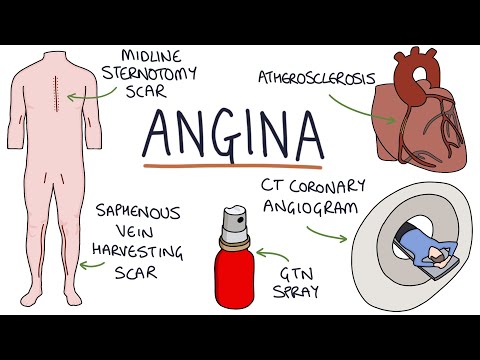
Hey there! Let’s talk about angina. Sounds serious, right? Well, it kinda is but hang on—I promise it’s not as scary as it sounds.
You might be wondering what angina actually means. Essentially, it’s all about chest pain or discomfort. It can feel like pressure or squeezing when your heart isn’t getting enough blood. Yup, not fun at all!
So why should you care? Because understanding angina helps us see what’s happening with our hearts and how tech can play a role in health today. Crazy stuff, right?
Stay with me! I’ll break it down in a chill way so you can get the real scoop without feeling overwhelmed.
Understanding the Risks: Is Angina a Dangerous Condition?
So, you’ve probably heard the term “angina” tossed around, but what does it really mean? Well, angina is not just some fancy word. It’s a symptom that your heart isn’t getting enough blood and oxygen, which usually happens when the arteries are narrowed or blocked. It can feel like pressure or squeezing in your chest, sometimes radiating to your shoulders, neck, jaw, or back. Crazy, right?
Now let’s get into the risks here. Angina itself isn’t necessarily dangerous, but it can be a sign that something deeper is going on with your heart health. Here’s the scoop:
- Stable Angina: This type often comes with physical activity or stress and goes away with rest. It’s like a warning bell that says, “Hey! Take it easy!”
- Unstable Angina: Now this one is trickier! It can happen at rest and lasts longer. Unstable angina needs immediate attention because it might lead to a heart attack.
- Chronic Stability: For some folks, stable angina can be managed over time with lifestyle changes and sometimes medications.
I remember my friend Lisa feeling these weird pressures in her chest during her evening jogs. At first she thought it was just normal fatigue; who hasn’t felt that after a long day? Turns out she had stable angina – nothing too crazy but definitely eye-opening for her! She made some lifestyle changes and now feels so much better.
The thing is, if you experience any chest discomfort that concerns you—or if it’s new or changing—reach out to a healthcare professional for advice! They’ll help you understand what’s going on.
In summary, while angina itself might not be life-threatening, it often signals other risks to your heart health. So keep an eye on those signs and trust your instincts when something feels off!
Understanding Unstable Angina: Symptoms, Causes, and Management Strategies
So, let’s chat about unstable angina. It sounds a bit scary, right? But don’t worry. We’re going to break it down into bite-sized pieces. Unstable angina is like a warning sign your heart sends out when it’s not getting enough blood. It can come and go and often hits when you’re at rest or doing something light, instead of during exercise like stable angina.
You might wonder what those symptoms look like. Well, here are a few things to watch out for:
- Pain or discomfort in the chest that can feel tight or crushing.
- Pain that spreads to areas like your shoulders, neck, arms, back, or even jaw.
- Shortness of breath, sometimes even when you’re just chilling on the couch.
- Sweating, dizziness, or nausea could pop in too.
The main thing is: if you notice these symptoms getting worse or coming on suddenly, it’s time to get some help. Unstable angina can be a sign that something serious is brewing with your heart; think of it as a red flag waving vigorously!
Now let’s dig into what might cause unstable angina. Stressful situations, cold weather, heavy meals—these can all trigger it. Oh! And it can also happen if there are issues with the arteries that supply blood to your heart muscle; they might be narrowed or blocked. Yikes!
If you find yourself dealing with this situation day-to-day—or hey, even just once lately—managing it becomes super important.
- Lifestyle changes: Things like eating healthy foods and exercising regularly can make a big difference!
- Medication: Doctors often prescribe meds to help open those blood vessels or manage cholesterol levels.
- Regular check-ups: Staying in touch with healthcare providers is key; they can keep tabs on your heart health.
You know how friends rally together when someone needs support? Well, managing unstable angina is kind of like that too—you need a good support system! So lean on family and friends who understand what you’re dealing with.
So there you have it! Remember: unstable angina isn’t just about pain; it’s a signal that shouldn’t be ignored. Make sure to talk to someone who knows their stuff if you ever feel uneasy about your heart health!
Stable Angina vs Unstable Angina: Key Differences, Symptoms, and Treatment Options
Angina can sound a little scary, right? But don’t worry, because it’s basically chest pain caused by a lack of oxygen to the heart. There are two main types: **stable angina** and **unstable angina**, and knowing the difference is super important. Let’s break it down!
Stable Angina usually happens during physical activity or stress. You might feel that tight or heavy sensation in your chest when you’re hiking up a hill or getting worked up about something. The great thing is, this type of angina typically goes away with rest or medication. It’s kind of like your body waving a little flag saying, “Hey! Take it easy!”
- Symptoms: Chest pain or discomfort that comes on with activity and goes away with rest.
- Triggers: Physical exertion, emotional stress, cold weather.
- Treatment Options: Lifestyle changes, medications like nitrates and beta-blockers.
On the flip side, we have Unstable Angina. This one can hit you out of nowhere! You might be curled up on your couch watching Netflix when suddenly—bam! That chest pain strikes without any clear reason. It’s more unpredictable and can happen even at rest. This type is seriously concerning since it signals that there might be an underlying problem with blood flow to your heart.
- Symptoms: Sudden chest pain at rest, increased frequency of stable angina episodes.
- Triggers: Can occur without any physical activity.
- Treatment Options: Immediate medical attention may be necessary; often involves more intense treatments compared to stable angina.
So, here’s the lowdown: while stable angina is manageable and often predictable, unstable angina can be dangerous and should prompt quick action. Seriously—if you ever feel unexpected chest pain that doesn’t go away easily, it’s super crucial to get professional help.
Remember though, this info doesn’t replace chatting with a healthcare provider! Just keep yourself informed and stay aware of how you’re feeling. That way you can take action if needed—your heart will thank you!
Understanding Life Expectancy for Individuals Living with Angina: Key Insights and Factors
Alright, let’s chat about angina, shall we? It’s one of those terms you may hear tossed around when it comes to heart health. Simply put, angina is chest pain or discomfort that happens when your heart isn’t getting enough blood flow. This can be a signal of something bigger going on with your heart’s arteries.
Now, when thinking about life expectancy for individuals living with angina, there are a few things to consider. Honestly, it can feel a bit overwhelming at first. You might wonder how long someone can live with this condition and what factors play into their overall health. Here’s the scoop:
- Severity of Angina: Not all angina is created equal! Some folks might have stable angina that occurs during physical activity, while others experience unstable angina, which can happen at any time and may be more serious.
- Age and Gender: Age plays a big role—often older adults may face more challenges. And yes, men typically develop heart conditions earlier than women.
- Lifestyle Choices: Smoking, diet, and exercise habits really matter. If you’re hitting the gym and munching on fruits and veggies, you’re likely to fare better.
- Other Health Conditions: Conditions like diabetes or high blood pressure can complicate things. The more health issues you have going on, the more it can impact life expectancy.
I once chatted with a friend whose dad had angina for years but managed it by changing his lifestyle—he quit smoking and adopted a healthier diet. Over time he was able to enjoy life so much more! It’s amazing how those changes helped him feel better overall.
The bottom line? While angina is something to definitely keep an eye on, many people with this condition lead fulfilling lives well into their later years. Just remember that everyone’s journey is different. Always check in with healthcare professionals about personal concerns because they know best!
So there you go—understanding life expectancy related to angina isn’t as daunting once you break it down! Keep asking questions and staying informed; it’s super important!
Angina, huh? It’s one of those terms you hear tossed around, especially when someone talks about heart issues. But what does it really mean? I mean, if you’re like most folks, you might only think of it as a fancy word from medical dramas or something your grandma mentioned at family dinners.
So let’s break it down a bit. Angina is basically a type of chest pain caused by reduced blood flow to the heart. Think of it like this: your heart is a hungry little monster that needs oxygen-rich blood to keep pumping and doing its thing. When that flow gets blocked or reduced—maybe because of clogged arteries—your heart might just throw a tantrum and signal you through pain in your chest, or sometimes even in your arms or back. It’s kind of like when you’re really thirsty but someone forgets to give you water; eventually, you’re gonna complain!
Now, here’s where technology comes into play. Isn’t it wild how far we’ve come! I once heard this story about a friend who had some pretty scary angina attacks while running on the treadmill at the gym. Super embarrassing moment for him! But guess what? With all these new wearable devices out there monitoring heart rates and oxygen levels, he was able to track his symptoms more closely than before. The device buzzed him right when his heart started acting up, giving him time to slow down and take care of himself before things got worse. Talk about a life-saver!
And speaking of life-savers — technology can help doctors too! There are these advanced imaging tools now that help docs see exactly what’s going on with your heart’s arteries without doing anything too invasive. So instead of playing guessing games with symptoms, they have all this data right at their fingertips.
Still, here’s the thing: even with all this knowledge and tech magic floating around us, we should never forget that understanding angina goes beyond just gadgets and terms on paper. It’s about listening to our bodies—kinda like checking in with an old friend who’s been feeling off lately! If something doesn’t feel right, don’t brush it off or scroll through WebMD until you freak yourself out more; reach out for professional advice.
At the end of the day—or during those tense moments while waiting for test results—it’s all about making sure we’re tuned into our hearts in every way possible: mentally, emotionally, and physically. Because let’s be honest: we want to keep that little monster in our chest happy and healthy for as long as possible!
