

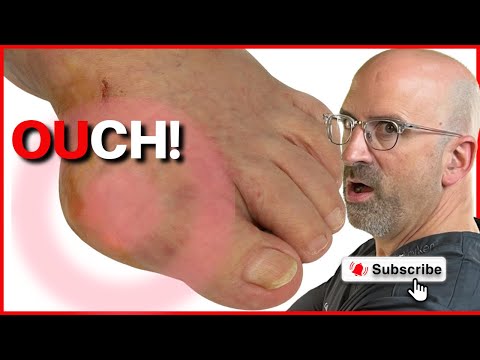
Hey there! So, let’s talk about something that’s been bugging a lot of people: gout. You know, that pesky joint pain that sneaks up on you when you least expect it? Ouch!
It feels like getting hit by a freight train, right? But guess what? There’s some super cool stuff out there now—like seriously innovative anti-inflammatory solutions—coming to the rescue!
Imagine finding ways to ease that pain without drowning in meds or just hoping for the best. Yeah, it’s possible! We’re diving into some fresh ideas and tools to help you tackle this nasty condition head-on.
Stick around if you’re ready to take back your life and do more than just sit on the sidelines. Let’s revolutionize relief together!
Top Anti-Inflammatory Medications for Managing Gout: A Comprehensive Guide
Gout can be a real pain, literally. You might find yourself dreaming of a life without those sudden, fiery attacks that can leave your toes feeling like they’ve been through the wringer. So let’s talk about some common anti-inflammatory medications that can help manage those pesky flare-ups. Keep in mind though—always chat with a healthcare professional to find what works best for you.
Nonsteroidal Anti-Inflammatory Drugs (NSAIDs) are often the go-to for many folks dealing with gout. These meds help reduce inflammation and pain. Some popular options include ibuprofen and naproxen. They can really take the edge off during an attack, but just remember to keep an eye on that dosage!
Another medication you might hear about is Colchicine. This one’s pretty specific for gout and works by reducing inflammation directly at the site of pain. It’s not everyone’s favorite because it can have side effects, but when it comes to providing relief, it really packs a punch if used correctly.
Then there’s Corticosteroids. These are like the heavy hitters of anti-inflammatories. Medications like prednisone can help calm down inflammation fast if you’re having a tough time with other options or can’t take NSAIDs for some reason.
In addition to these medications, some people also explore uric acid-lowering drugs. While they don’t work right away during an acute attack, they’re crucial during times when you’re trying to prevent future flare-ups.
And hey, along with these medications, lifestyle changes play a big role too! Keeping track of your diet and staying hydrated can make a difference in overall management.
To sum it up, while there are several anti-inflammatory medications available that can help ease the pain of gout flares, it’s all about finding what fits your situation best—with guidance from your healthcare provider. You got this!
Discovering the Miracle Drug for Gout: Effective Treatments and Solutions
So, let’s chat about gout. Ever heard of it? It’s that painful condition that often sneaks up on you, especially after indulging in rich foods or too much booze. Just thinking about it makes some folks cringe! It’s basically a type of arthritis caused by high levels of uric acid in the blood. When those levels get outta whack, they can form crystals in your joints, leading to those infamous flare-ups. Not fun at all.
Now, you might be wondering what the heck you can do about it? Well, there are a bunch of ways to manage gout and find some relief.
- Medication: There are drugs out there specifically for gout that help lower uric acid levels or reduce inflammation during a flair-up. Some people swear by them!
- Diet changes: Eating less red meat, seafood, and sugary drinks can really help keep those pesky uric acid levels in check. Seriously, think twice before reaching for that extra slice of steak!
- Hydration: Drinking more water? Absolutely crucial! Staying hydrated helps flush out uric acid from your system.
- Cold compresses: Applying something cold to the affected joint may provide instant relief from pain and swelling. It’s like a little kiss for your inflamed toe!
I remember when my buddy Mike faced his first bout with gout—he was convinced he’d broken his toe while dancing at a wedding! Turns out it was just gout messing with him after he indulged in all-you-can-eat shrimp cocktails. Poor guy had no idea what hit him!
So look, managing gout isn’t just about one thing. You can mix and match different approaches until you find what works for you. Just remember: it’s super important to chat with a healthcare professional before making any changes or trying new treatments. They’ll guide you through this process like a pro! So if you ever feel twinges in those joints again, don’t fret too much; there are options out there to keep you comfortable and moving forward!
Top Strategies for Rapidly Reducing Gout Inflammation
Gout can be a real pain—literally. If you’ve ever experienced a flare-up, you know how uncomfortable it can be. It’s all about inflammation, which arises from uric acid crystals building up in your joints. So, if you’re looking to reduce that pesky swelling quickly, here are some strategies to consider.
- Hydration is Key: Drinking plenty of water helps flush out uric acid from your system. Aim for at least 8-10 glasses a day. Seriously, staying hydrated can make a big difference!
- Ice it Down: Applying ice to the affected joint for about 15-20 minutes may help reduce inflammation and numb the pain. Just remember too much direct ice can harm your skin.
- Avoid Trigger Foods: Foods rich in purines, like red meat and shellfish, can ramp up uric acid levels. Cutting back on these might help ease some flare-ups.
- Fruits & Veggies Matter: Load up on cherries and berries! They’re packed with antioxidants and have been linked to lower uric acid levels. So next time you’re snacking, think color!
- Chill with the Booze: Alcohol can increase uric acid production. Cutting down or avoiding it during flare-ups might be worth considering.
You know, last summer my friend Ben had his first bout with gout while we were on vacation—totally ruined his hiking plans! He swore by drinking tons of water and nibbling on cherries while we were camping. It seemed to help him quite a bit.
You should always check in with your healthcare provider for personalized advice because everyone’s body is different. Remember, these suggestions don’t replace their guidance but might give you some handy ideas to manage those flare-ups better!
Understanding the Effectiveness of Krystexxa in Gout Management
So, let’s chat about a medication called Krystexxa. If you or someone you know is dealing with gout, you might have heard the buzz around it. Gout is basically a fancy term for arthritis caused by high levels of uric acid in the blood. When this uric acid forms crystals in your joints – oh boy, it can hurt! People often describe it as feeling like a tiny monster is stomping on their toe.
Now, Krystexxa is designed for those who haven’t had much luck with traditional treatments. You know how some meds just don’t work for everyone? Well, this one helps lower uric acid levels and can be a game changer for certain folks. It’s given through an infusion, which means you’ll be sitting at a clinic or doctor’s office for about two hours while they drip it into your bloodstream. Sounds cozy, right?
Let’s break down why people are talking so much about Krystexxa:
- Efficacy: Studies suggest many patients see their uric acid levels drop after using Krystexxa.
- Target audience: It’s mostly aimed at people who have chronic gout and haven’t responded well to other treatments.
- Infusion effects: The infusion method might feel like a bit of an inconvenience but can lead to noticeable relief.
It’s super important to mention that even though Krystexxa can help some people, it doesn’t mean it works for everyone. Everyone’s body is different—you get me? Some folks might experience side effects like allergic reactions or headaches. That’s just how medications roll sometimes.
There was this friend of mine – he struggled with gout flare-ups all the time. One day he told me he felt like giving up on finding relief because nothing seemed to work! But then his doctor suggested Krystexxa after other options failed him. While it’s not a magic potion, he did notice improvement over time. He said the pain became more manageable.
Always remember: if you’re thinking about trying something new like Krystexxa, chatting with your healthcare provider is key. They know your health history and what might suit you best. So keep that convo open and honest!
So, let’s chat about gout for a sec. I mean, if you’ve ever seen someone deal with that fiery pain in their big toe, you know it’s no joke! I remember my friend Sam, who couldn’t even walk without wincing. It was heartbreaking to watch him struggle. Gout is pretty much your body throwing a tantrum over high levels of uric acid. It can lead to inflammation that feels like you’ve got a tiny dragon breathing fire on your joint.
Now, what’s fascinating is the wave of new anti-inflammatory solutions popping up lately. Seriously, it’s like a relief revolution out there! You’ve got everything from dietary changes to herbal remedies gaining traction. For example, things like tart cherry juice and turmeric have been getting all the buzz as potential superhero sidekicks to traditional treatments. Who knew food could pack such a punch?
But here’s the deal: while these innovations sound super promising, they aren’t magic cures or anything. They might help some people manage their symptoms better when combined with professional healthcare advice. And let’s be real; what works wonders for one person might not do squat for another.
And while we’re at it, you gotta think about lifestyle shifts too. Staying hydrated and tweaking your diet can make huge differences in how often those flare-ups sneak up on you. But it’s about finding what works for your individual body.
In the end, this whole relief revolution is all about options—it’s empowering! You can explore different paths toward managing gout while chatting with a doc or nutritionist, totally seeking out what fits for you best. So here’s to more comfy days ahead and less toe drama!
