

Hey there! So, you know those pesky allergies that seem to pop up out of nowhere? Yeah, they can hit anyone—sadly, even our little ones.
Imagine your tiny tot sneezing like crazy or scratching their little nose. Ugh, it’s tough to watch. You just want to help them feel better, right?
That’s where antihistamines come in! But wait—using them for babies sounds a bit scary, doesn’t it? Don’t worry; I’ve got the scoop on what’s safe and what’s not.
Let’s dive into how to navigate this whole antihistamine thing for infants. You’ll feel more informed in no time!
Top Safe Antihistamines for Infants: A Comprehensive Guide for Parents
So, you’re a parent and you’re worried about those pesky allergies your little one might be facing, huh? Maybe they’re sneezing up a storm or their tiny nose is like a faucet. It’s tough to see your baby uncomfortable! You might be wondering about antihistamines and if they’re safe for infants. Let’s chat about that!
First off, antihistamines are medicines that help manage allergy symptoms. They work by blocking histamines—those sneaky chemicals in your body that trigger allergic reactions. But not all antihistamines are created equal, especially when it comes to the littlest ones.
When thinking about giving any medicine, it’s super important to remember: always talk to your pediatrician first. They know best what’s right for your baby since every child is different.
Here are some common options that parents often consider (but again, always check with a doc):
- Diphenhydramine: This is found in Benadryl. It can help with allergies but can also make babies sleepy. Use caution!
- Loratadine: Commonly known as Claritin, it tends to be less sedating than others and is sometimes given to older infants.
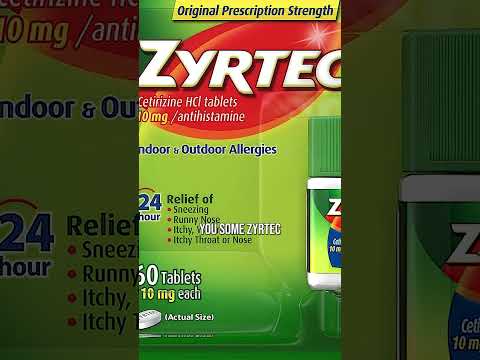
- Cetirizine: Found in Zyrtec, this one is effective and might not cause as much drowsiness for some kids.
- Fexofenadine: Known as Allegra, this one isn’t usually given to little ones under two years old.
I remember when my sister had her first baby; he was such a sneezy little guy! She was always asking what she could do. She ended up chatting with his doctor and learned about those options—a relief for both of them!
Now, keep in mind that using antihistamines in infants isn’t always straightforward. Side effects can happen, like restlessness or drowsiness—no fun for anyone! And you definitely want to avoid any over-the-counter cold medications without a doctor’s go-ahead.
To wrap it up, the best approach involves keeping communication open with healthcare professionals. That way, you can find out the safest antihistamine options tailored just for your baby’s needs! It’s all about making sure they feel good while being safe and sound, right?
Safety of Antihistamines for 4-Month-Old Infants: What Parents Need to Know
So, you’re a parent to a little one, and maybe you’ve been hearing about antihistamines popping up in conversation. You might be wondering if they’re safe for your 4-month-old baby, right? Let’s break it down.
First things first, antihistamines are medications that help with allergies. They work by blocking histamine, a substance in the body that causes allergy symptoms like sneezing or itching. But here’s where things get tricky: not all antihistamines are safe for infants.
One big thing to keep in mind is that the safety of these medicines can really vary based on age and weight. For babies under 6 months old—like your 4-month-old—there isn’t enough research to say definitively what’s safe. Most pediatricians will suggest avoiding antihistamines until your baby is older.
Here are some key points to think about:
- Consult Your Doctor: Always chat with your baby’s pediatrician before giving any medication.
- Watch for Allergies: If you suspect your baby has allergies, there are other ways to manage symptoms without medications.
- Side Effects: Antihistamines can cause drowsiness or irritability, which is not ideal for little ones.
- No Over-the-Counter Products: Many OTC allergy medications aren’t designed for infants under two years old.
I remember a friend who was worried about her little one sneezing a lot. She thought about giving her baby an antihistamine but decided to ask the doctor first. Turns out, it was just a cold! So sometimes, what seems like an allergy isn’t even one at all.
At the end of the day, you want what’s best for your baby. Medication can be complicated and knowing what’s safe—and what’s not—is super important. So always lean on professional healthcare advice when it comes to your little bundle of joy!
Understanding the Risks: Why Antihistamines Are Not Safe for Babies
Hey there! So, we’ve all heard about antihistamines, right? They can be super helpful for allergies and stuff. But when it comes to babies, things get a bit more complicated. Let’s dive in and understand why antihistamines aren’t the safest choice for your little one.
First off, babies are not just tiny adults. Their bodies act differently than ours. For instance, their livers and kidneys, which help clear out medications, aren’t fully developed yet. This means that using antihistamines can lead to some serious risks.
- Overdose Risk: It’s way easier for babies to overdose on these meds since their small bodies can’t handle much.
- Side Effects: Antihistamines can cause drowsiness or even excitement in babies—crazy, right? You might think drowsiness is good, but it can also lead to breathing problems.
- Interactions: If your baby is on other medications, antihistamines could mess things up. Mixing meds is a big no-no!
I remember a time when my friend’s baby had terrible allergies. They wanted to try everything possible to ease the little one’s discomfort. I mean, who wouldn’t? But we ended up talking about the potential dangers of giving them antihistamines and decided it was better to wait until they were older.
The thing is, finding safe ways to help our babies feel better is so important. Always consider reaching out to a healthcare professional before making any decisions regarding medications for your child.
So there you have it! Antihistamines might seem like a quick fix, but keeping our kiddos safe should always be the priority!
Essential Guide to Allergy Medicine for Babies Under 1: Safe Options and Tips
So, allergies in babies, huh? It can be a real headache for parents. They can’t tell you what’s bothering them, and you’re left guessing. The confusion gets even thicker when you start thinking about allergy medicines. If you’re dealing with this stuff for a baby under one year old, it really is important to tread carefully.
When it comes to babies and medication, gentle is the name of the game. Most antihistamines that adults use aren’t safe for tiny tots. And honestly? You want to avoid giving a baby anything that could cause more harm than good. But hey, there are options out there!
Some antihistamines can be used in infants, but make sure you only go with those that are recommended by a pediatrician. Just remember: not all medications are created equal! Here’s a quick rundown on what to know:
- Consultation is key! Always talk to your little one’s doctor before giving any medicine.
- Dosing matters: Babies have tiny bodies—so their doses are way different from ours!
- Avoid sedatives: Some antihistamines can make your baby super sleepy—definitely not ideal if you want them alert and happy.
- Natural alternatives: Sometimes, simple remedies like keeping allergens away or using saline drops might help.
I remember when my friend had her first baby. Poor little guy was all stuffed up because of seasonal allergies! She tried everything from pillows to humidifiers; it was chaos! Finally, after chatting with their pediatrician, they found a gentle antihistamine that worked well for him without side effects. It was such a relief for everyone involved!
The thing is: always prioritize your baby’s safety and comfort over anything else. Medicine isn’t the only answer; lifestyle changes can also be beneficial! Allergies can feel overwhelming at times, but just take it one step at a time.
If you’re unsure or feeling anxious about any medications or symptoms your baby shows—it’s totally normal! Just reach out to a healthcare professional who understands kids’ needs.
Your little munchkin deserves all the care in the world! Stay tuned in with what they’re experiencing and you’ll find ways to make things easier for both of you.
You know, it can be really tough to see little ones suffer from allergies. I remember a friend of mine had this adorable baby who suddenly started sneezing like crazy every time spring rolled around. It’s heart-wrenching to watch a tiny human struggle with stuffy noses and itchy eyes. But hey, that’s where antihistamines come in, right?
Antihistamines are these little heroes that help block the effects of histamine in our bodies. Histamine is what your system releases when it thinks something’s irritating you—like pollen or pet dander. That’s why we get all those sniffles and rashes when allergy season hits! For adults, it can feel like a nuisance but for babies? Well, it’s a whole other ball game.
Now, here’s the scoop: not all antihistamines are safe for infants. The last thing we want is to give our tiny friends anything that’s too harsh or could mess with their developing bodies. So, when considering antihistamines for babies, it’s super important to choose options that pediatricians say are safe and effective.
Some parents might feel overwhelmed when navigating this kind of stuff. Trust me, you’re not alone! Just remember that there is always help out there – whether it’s your pediatrician or even chatting with seasoned parents who have been through the same challenges. It’s normal to feel concerned; after all, you just want what’s best for your little one!
Anyway, keeping an eye on how your baby reacts to any medication is key. Some antihistamines can cause drowsiness while others might make them hyperactive—who knew? So experimenting under a doc’s guidance is definitely the way to go.
In the end, the goal here is simple: gentle relief without compromising safety. If you can find that balance, then you’re doing great! Your little one deserves to breathe easy and enjoy those sunny days outdoors like any other kiddo. Always trusting your instincts and seeking professional advice will steer you right!
