

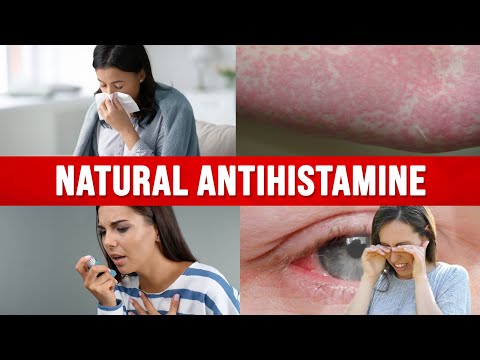
Hey there! So, let’s talk about rashes, shall we? They can be super annoying, right? One day you’re feeling great, and the next—bam! You’ve got red splotches all over. Ugh!
The thing is, your body can sometimes act like it’s on high alert. Allergies kick in, and suddenly you’re left scratching away. But wait! There’s hope. Antihistamines are like little superheroes for your skin!
In this chat, we’ll dig into how these heroes can come to your rescue when pesky rashes strike. We’ll keep it simple, fun, and totally relatable. Sound good? Let’s dive in!
Top Antihistamines for Effective Relief from Skin Rashes: A Comprehensive Guide
Sure thing! Let’s chat about antihistamines and how they can help with those pesky skin rashes you might be dealing with. So, imagine you’re at a picnic, enjoying the sun, when suddenly your skin starts to itch like crazy. Yeah, that can totally ruin your day, right? That’s where antihistamines come into play.
What Are Antihistamines?
Antihistamines are medications that help block histamine. Histamine is what causes those annoying allergy symptoms, including rashes. So, when you’re having an allergic reaction, antihistamines can be your best bud!
Types of Antihistamines
There are mainly two types of antihistamines: first-generation and second-generation. Here’s a little breakdown for you:
- First-Generation Antihistamines: These might make you feel sleepy because they cross the blood-brain barrier. Examples include diphenhydramine (you know, the stuff in Benadryl) and chlorpheniramine. They work fast but could knock you out for a nap!
- Second-Generation Antihistamines: These ones are less likely to make you drowsy and include cetirizine (like Zyrtec) and loratadine (like Claritin). They are great if you want to stay alert while getting some relief.
When To Use Them
If you’re experiencing an itchy rash from allergies or even bug bites, that’s when these guys come in handy. They may not wipe out the rash completely but can definitely lessen that annoying itch.
Possible Side Effects
Of course, every superhero has its kryptonite! Some side effects may include dizziness or dryness in your mouth. Don’t worry too much though; they’re usually mild.
At the end of the day, remember that while antihistamines can help ease some symptoms related to skin rashes due to allergies or other irritants, it’s key to check in with a healthcare professional for anything more serious. You know your body best!
Effective Strategies to Soothe Allergic Reactions on Fingers
Hey there! So, let’s chat a bit about those pesky allergic reactions that can pop up on your fingers. You know, they can happen for a bunch of reasons—maybe you touched something you were allergic to, or perhaps it was an insect bite or even some new soap that didn’t quite agree with your skin. It’s annoying, right?
When your fingers feel itchy, swollen, or develop a rash, it’s usually because of histamines. These little guys are chemicals your body releases during an allergic response. Antihistamines can help to calm things down by blocking these histamines from causing that irritation. It’s like turning the volume down on a really loud radio!
Aside from antihistamines, here are some other strategies you might find helpful:
- Cool compresses: Applying a cool cloth to the affected area can be super soothing and help reduce swelling.
- Aloe vera: That gelly goodness is not just for sunburns! It can also ease irritation on rashes.
- Moisturizers: Keeping the skin hydrated is key. Look for soothing creams or lotions without fragrance.
- Avoid irritation: Try to keep hands away from triggers or irritants until they’ve healed.
I remember once I had this bad reaction after gardening without gloves. My hands were itching like crazy! I slapped on some aloe and took an antihistamine, and thankfully it calmed down pretty fast. It was such a relief—definitely don’t want to be distracted by itchy fingers when you’re trying to enjoy yourself!
Again, it’s important to remember that these tips won’t replace professional healthcare if things get really out of hand. If your symptoms are severe or don’t improve, chatting with someone who knows their stuff is always the best call!
This stuff can be tricky sometimes but staying calm and knowing what works for you makes all the difference. Hope you find relief soon!
Understanding Rashes: Which Types Respond to Antihistamine Treatment?
Hey there! So, let’s dive into the world of rashes and antihistamines. Rashes can be a real pain, right? They can appear outta nowhere and make your skin feel super itchy or uncomfortable. The thing is, not all rashes are created equal when it comes to treating them with antihistamines. These little wonders mostly help with certain types of rashes that are driven by allergic reactions.
What are antihistamines? Well, they’re medications that block histamine—a substance your body releases during an allergic reaction. When you have an allergy, this histamine can lead to symptoms like itching and swelling. So it makes sense that antihistamines target these issues.
Here’s a quick look at the types of rashes that might respond well to antihistamines:
- Allergic Contact Dermatitis: This happens when your skin touches something you’re allergic to—like poison ivy or certain metals.
- Urticaria (Hives): These are raised, itchy welts on the skin that often come from allergies or stress.
- Atopic Dermatitis: More commonly known as eczema, this condition leads to dry patches on the skin and can be itchy too.
The best part? Antihistamines can help reduce the itching and discomfort from these types of rashes. Imagine you’re having a picnic in the park and bam! You accidentally brush against some poison ivy. That rash might start up pretty quickly, but an antihistamine could help calm things down.
But hold on! Not every rash will respond to antihistamines. If your rash is caused by an infection or other non-allergic factors, these meds won’t do much for you. So it’s always smart to chat with a healthcare professional if you’re unsure about what’s causing your rash or how best to treat it.
Phew! I hope that clears things up a bit! Rashes can be annoying, but knowing what might help you is half the battle. Just keep in mind that understanding your own body is super important too!
Effective Anti-Allergy Medications for Relieving Skin Itching Symptoms
Hey there! So, let’s chat about allergies, particularly those annoying skin itches that seem to pop up out of nowhere. You know, the type that makes you feel like you have ants crawling all over you? Yeah, those can really ruin your day. But hang on, some medications can help relieve those symptoms.
One word you’ll hear a lot when discussing skin itching from allergies is antihistamines. Now, histamines are chemicals your body releases when it’s feeling a bit too triggered—like when pollen is floating around or if something doesn’t quite agree with you. Here’s where antihistamines come in; they block these pesky chemicals and bring some relief.
- First-generation antihistamines: Think of these as the classic go-to helpers. Medications like diphenhydramine (yes, that’s Benadryl) and chlorpheniramine fall into this category. They work pretty well but might make you drowsy. So, don’t plan to binge-watch your favorite show right after taking one!
- Second-generation antihistamines: These guys are the new kids on the block—like cetirizine or loratadine. They usually don’t make you sleepy and can be more convenient for daily use if you’re dealing with ongoing allergens.
Also important? Always look at the dosage—and here’s a pro tip: take them with food if they upset your stomach! If I’m being real with you, I remember once my friend started itching right before an important event; it was chaos! She took some medication, but we didn’t read the label carefully… Let’s just say we had an unexpected nap time before she could nail that presentation!
The thing is, while antihistamines can provide relief from skin itching due to allergies, they’re not for everyone. Some folks might experience side effects or might not respond well at all. That’s why it’s super important to have a chat with a healthcare professional before diving into any new medication.
So there ya go! Allergies can be a real hassle but knowing about medications like antihistamines is one step toward finding relief. And remember, even though this info is helpful to understand options out there for itchy skin symptoms, it doesn’t replace what a doctor would say. Stay safe and make sure to take care of yourself!
You know that feeling when you get a rash? Maybe it’s from something you touched, or you had a little too much fun with your pet, and bam! Your skin’s like, “What the heck?!” Suddenly you’re itching and scratching like there’s no tomorrow. It’s not exactly the kind of surprise you want in your life.
A while back, I was hanging out with my friend Sam during a picnic. We were having a blast until he started scratching his arms furiously. Turns out, he had an allergic reaction to some wildflowers nearby. He looked so uncomfortable that I felt bad for him! That’s when we learned about antihistamines together.
So what are these little miracle workers, huh? Well, antihistamines are medications that can help relieve allergy symptoms, including rashes. Basically, when your body encounters something it doesn’t love—like pollen or certain foods—it releases histamines. Histamines are those pesky chemicals that tell your body to react with symptoms like itching, swelling, or redness. So antihistamines swoop in like superheroes to block those histamines from causing all that chaos.
There are different kinds too! Some can make you sleepy (hello nap time!), while others keep you wide awake and ready to tackle the day. And hey, they come in handy for more than just rashes; think seasonal allergies or hives!
Of course, it’s super important to chat with a healthcare professional before taking anything new because not every rash is the same. Some might need a little extra attention instead of just over-the-counter relief.
But honestly? Having those tiny tablets around can feel like relief at your fingertips when itchy skin strikes out of nowhere. Just remember: they’re not magic potions—more like helpful little assistants during allergy season or any unexpected skin surprises. So next time you’re caught off guard by an itchy patch or rash, you’ll know there’s some backup ready to help—you’re not alone in this itchy battle!
