

Hey there! Have you ever thought about the appendix? Yeah, that little pouch hanging out in your gut. Most people don’t give it much thought, but it’s more important than you think!
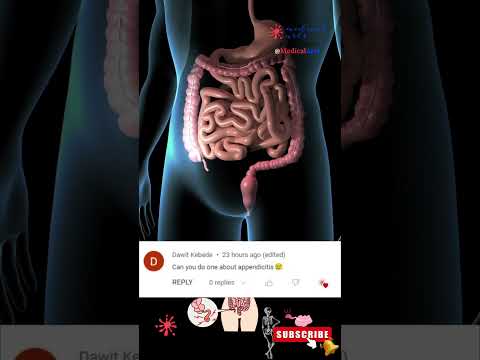
So let’s dive into something kinda cool: the male appendix location. It sounds fancy, but trust me, it’s actually pretty simple and interesting. Knowing where your appendix is can give you better health insights.
Seriously! Imagine you’re at a barbecue and start feeling some weird pain. If you have a clue about your anatomy, you might just figure out if it’s time to see a doc.
Stick around; we’re going to explore the ins and outs of this little organ. You’ll be surprised at how much fun learning about your body can be!
Optimal Placement of the Appendix: Understanding Anatomical Locations and Functions
So, let’s dive into the fascinating world of the appendix! You might have heard people talk about it as that little organ that sometimes causes big problems. But seriously, the appendix is more than just a troublemaker.
First off, **what exactly is the appendix?** It’s a small, tube-like structure attached to your large intestine. Most folks’ appendixes are about 3 to 4 inches long and sit in the lower right part of the abdomen. Now, why do we even have this thing? Well, its exact role is still a bit of a mystery. Some think it helps with gut bacteria and immune function, while others say it doesn’t really do much at all.
Now, let’s talk about **where it hangs out in your body.** The position can vary a bit from person to person. While most appendixes chill in the lower right quadrant of the abdomen, some can be located higher up or even more towards the back! This variability can sometimes lead to confusion during medical exams if someone reports pain in that area.
And trust me, you don’t want to ignore pain there! **Appendicitis**, which is when your appendix gets inflamed and messed up, can cause serious discomfort. If you ever feel sudden pain starting around your belly button before moving to that lower right spot? Yeah, you might wanna check that out with someone who knows their stuff—like a healthcare pro.
It’s interesting how our anatomy works—like how two people can have slightly different organs but still function just fine! This makes it super important for doctors to understand these differences when helping patients figure out what’s going on with their health.
In short, knowing where your appendix is located may just help you understand your body better. And ultimately, if you’re feeling any weird sensations or pain there? Well now… it’s best not to brush it aside. Always connect with someone who gets this stuff!
Signs of a Healthy Appendix: Key Indicators to Monitor Your Digestive Health
Hey there! Have you ever thought about your appendix? Probably not, right? Most of the time, we don’t even notice it. But the truth is, keeping an eye on the signs of a healthy appendix can be part of taking care of your overall digestive health.
The location of your appendix is kinda interesting, especially in males. It usually hangs out in the lower right part of your abdomen. So, if you’ve got any discomfort in that area, it might raise some eyebrows—but not all feelings down there are signs something’s wrong! Here are a few key indicators that show you might have a healthy appendix:
- No pain or discomfort: You shouldn’t feel sharp or lingering pain in your lower right abdomen. If everything’s cool with your appendix, it’s chill and doesn’t bother you at all.
- Normal bowel movements: If you’re going to the bathroom regularly and things are flowing smoothly, that’s a good sign! Your digestive system is generally in good shape.
- Lack of nausea or vomiting: Feeling queasy isn’t fun. It’s usually a sign that something’s off. If you’re feeling great and have no stomach issues, that’s fantastic!
- No fever: A fever can be a red flag for many things. If you’re hanging out at normal body temperature without any spikes, hey—that’s awesome!
I remember when my buddy Sam started feeling weird pains one night after eating some questionable leftovers. He thought it could be his appendix acting up. Turns out it was just some bad takeout! But being aware of what to look for really helped him stay calm until he figured it out.
The thing here is that listening to your body goes a long way. Sure, everyone has those random twinges sometimes—no biggie! Just keep an eye on these indicators because they can help you notice if something changes down there.
If anything does feel off for too long—or if you’re worried—don’t hesitate to chat with someone who knows their stuff in health care. Seriously, it’s way better to be safe than sorry!
10 Effective Tips for Maintaining a Healthy Appendix
So, let’s chat about the appendix. It’s that little pouch hanging off your large intestine, and while it might not get as much spotlight as other organs, keeping it healthy is important! Here are some easy tips that can help you stay on top of your appendix health.
1. Eat a Balanced Diet: This means lots of fruits, veggies, whole grains, and lean proteins. Seriously, those fiber-packed foods could help keep things moving in the digestive tract and may reduce the risk of inflammation.
2. Stay Hydrated: Water is your friend! Drinking enough water helps with digestion and keeps everything flowing smoothly.
3. Probiotics are Good: Ever heard of gut bacteria? They play a role in maintaining digestive health. You can find probiotics in yogurt or fermented foods like sauerkraut.
4. Regular Exercise: A good workout routine not only keeps your body fit but also promotes healthy digestion. Even just a walk can work wonders!
5. Manage Stress: I mean, who doesn’t deal with stress these days? But high stress can impact your gut health negatively. Find ways to relax, whether it’s yoga or binge-watching your favorite show.
6. Avoid Smoking: If you smoke, think about quitting; it’s not just bad for your lungs but can mess up other parts too!
7. Limit Processed Foods: Those fast food temptations and sugary snacks? They might taste great but aren’t doing any favors for your insides.
8. Don’t Ignore Symptoms: If you’re feeling weirdly bloated or have tummy pains that won’t go away, don’t shrug it off like it’s nothing—check in with a healthcare professional.
9. Regular Check-ups: You don’t have to wait until something feels wrong to see a doctor! Regular check-ups help catch anything unusual early on.
10. Educate Yourself!: The more you know about how your body works (including that sneaky little appendix), the better decisions you can make for your health.
Here’s the thing: taking care of yourself is like tending to a garden—you wanna nurture it so everything grows well! Just remember, if anything feels off or you’re worried about symptoms related to your appendix or any other part of your health, reaching out to a healthcare professional is always the best plan!
Understanding Appendix Symptoms in Women: A Comprehensive Guide
So, let’s chat about the appendix. You might have heard of it, but do you really know what it does? This tiny organ can cause some serious trouble, especially if it gets inflamed. It’s important to pay attention to how your body feels. If something’s up with your appendix, it can show different symptoms that can be a bit confusing, especially for women.
First off, let’s get straight to those common symptoms that can pop up:
- Pain: Typically starts around the belly button area and then shifts to the lower right side of your abdomen.
- Nausea and Vomiting: Feel like throwing up? That could be related.
- Loss of Appetite: Suddenly not feeling hungry? It could be a sign something’s off.
- Fever: A low-grade fever often tags along with appendix issues.
- Bloating: That uncomfortable full feeling might not just be from dinner!
You see, sometimes these symptoms can mimic other things. Like, I remember my friend Sarah thought she had just eaten something bad because she had some tummy pain and nausea. But when the pain didn’t go away and got worse, she ended up in the ER! Turns out her appendix was inflamed. Quite a scare!
Now here’s where it gets interesting: women might experience additional symptoms because of their anatomy. You know how our bodies are all a bit more complicated? Some symptoms can overlap with period pain or ovarian issues. So staying aware is key.
If you notice these signs, don’t just shrug them off. Sure, you might think it’s nothing special or maybe even blame that last slice of pizza (guilty!). But taking some time to listen to what your body is telling you is super important.
In any case, whether you’re feeling fine or not-so-fine, always keep in mind that understanding your body better leads to better health insights overall! Remember though – this info doesn’t replace a good chat with a healthcare professional when you’re unsure about anything health-related!
So, let’s chat a bit about something that doesn’t get nearly enough attention: the appendix! You know, that tiny little pouch hanging off your intestines? It’s one of those things you probably don’t think about until it’s causing trouble.
First off, understanding where the appendix is—especially for guys—can be super helpful. It sits in the lower right side of your belly. Picture this: you’re sitting on the couch after a long day, and suddenly you feel this sharp pain in your side. Your first thought might be, “Ugh, what now?” Well, if that pain is somewhere around your appendix area, it could be a sign that something isn’t quite right. And trust me, nobody wants to be dealing with appendicitis!
I remember a buddy of mine from college had appendicitis. One night he was just sitting there eating pizza and joking around when he started feeling weird. At first, he thought it was just indigestion or maybe he got up too fast after eating (we’ve all been there!). But then it got worse and worse until he had to go to the hospital. Turned out his appendix was inflamed and needed to come out stat!
The thing is, most people don’t even know what an appendix does—or if it does anything at all! Some scientists say it may play a role in gut health or help with immune function, but honestly, we’re still figuring that one out.
So why should you care about where it is? Well now, knowing its location means you can be more aware of your body signals. If you feel pain down there—or have symptoms like nausea or fever—it might be worth checking in with someone who actually knows their stuff (hint: not me!).
Anyway, keeping an eye on these things can lead to better health insights overall. Plus, understanding how your body works can really make a difference when you’re trying to figure out what’s normal for you and what isn’t.
In short, while we shouldn’t obsess over this little organ too much, being aware of its location can help you catch potential problems before they escalate into bigger issues. Just remember to listen to your body—and don’t hesitate to reach out for help when something feels off! After all, better safe than sorry!
