

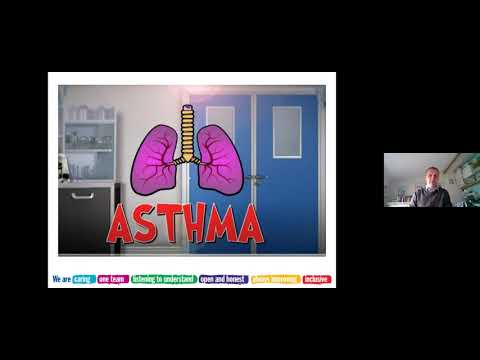
Hey there! So, let’s talk about something we all take for granted: breathing. Seriously, it’s kinda wild how we just do it without thinking. But for some of us—like those who wrestle with asthma and allergies—it can be a bit of a struggle, right?
Imagine heading outside on a beautiful day, but instead of enjoying the sunshine, you’re sneezing and wheezing. Not fun at all! I know someone who always carries an inhaler in their bag because they never know when pollen or dust might strike.
That’s why this chat is important! We’re diving into real-life solutions to help make breathing a little easier. From smart gadgets to simple tips that really work—there’s hope to make your days more pleasant. So grab a comfy seat, and let’s figure this out together!
Top Air Purifiers for Allergy and Asthma Relief: A Comprehensive Guide
So, let’s chat about air purifiers. Seriously, they can be game-changers if you’re struggling with allergies or asthma. Imagine this: you’re lounging on your couch, just enjoying a lazy day, and out of nowhere, you start sneezing like it’s your job. Annoying, right? It’s those pesky particles and allergens floating around in the air—ding ding! That’s where air purifiers come in.
Air purifiers work by sucking in all that yucky stuff from the air and filtering it out. They can help remove things like dust, pollen, pet dander, and even some bacteria and viruses. So you can finally take a deep breath!
Here are some popular types of air purifiers to consider:
- HEPA Filters: These are like the gold standard for air purification. They trap 99.97% of particles that are 0.3 microns or larger. Think of them as superhero shields against allergens!
- Activated Carbon Filters: If odors are your nemesis (hello cat litter smell), these filters absorb those nasty smells and VOCs (volatile organic compounds).
- UV Light Purifiers: These use ultraviolet light to kill bacteria and viruses—kinda like a sci-fi movie but for your home.
- Ionic Purifiers: These release negative ions into the air to help attract pollutants but can sometimes create ozone—yikes! You might want to check reviews first.
When picking an air purifier, size matters! Make sure you get one that fits your room size. A tiny one for a big space? Not so great results. Also, consider noise levels; some can sound like a jet engine while others hum quietly in the background.
And hey, don’t forget about regular maintenance! You’ll need to change filters according to the manufacturer’s instructions—otherwise they become more like dust collectors than helpful devices.
Finally, remember that while air purifiers are helpful tools—they’re not magic solutions dealing with allergies or asthma on their own. Always chat with healthcare professionals about managing those conditions effectively.
So there you have it! Air purifiers can be super helpful in creating cleaner indoor air all around us—you just have to find the right fit for your space and needs! Breathe easy; it might just make all the difference!
Effective Strategies to Alleviate Shortness of Breath Caused by Allergies
Hey there! So, let’s talk about something that’s a real bummer for many of us: shortness of breath caused by allergies. It’s that annoying feeling you get when your lungs just don’t want to cooperate, right? Well, there’s some stuff you can try at home to make it a little less frustrating. Remember, though—if you’re having serious issues, it’s best to chat with a healthcare professional.
One thing I’ve learned is that avoiding triggers can work wonders. If you know certain allergens get your nose all stuffed up and your breathing funky, try to steer clear of those bad boys. For example:
- Pollen from plants or flowers—maybe keep the windows closed during peak allergy season.
- Dust mites—regularly washing your bedding and dusting surfaces can help.
- Pets—if fur is the enemy, create a pet-free zone in your home.
Then there’s the good ol’ air quality. Seriously, sometimes fresh air is just what you need. Make sure to keep your living space well-ventilated. And using an air purifier might cut down on sneezes and wheezes too!
If it’s the season for allergies, keeping a humidifier in your room might help as well. A little moisture in the air can ease those irritated airways. Just remember to clean it regularly so it doesn’t turn into a mini swamp!
You might also want to consider some simple triggers like stress and exercise. I remember once when I was super stressed about moving my house; my breathing got really shallow! Taking deep breaths really helped me chill out. As silly as it sounds, focusing on slow breathing can improve how you feel.
If you’re feeling the pinch from allergies at night, try sleeping with extra pillows to keep your head elevated. This can help with any post-nasal drip that might be making things worse while you’re catching those z’s.
Finally, staying hydrated is key! Water helps thin out mucus so it’s easier for your body to manage those pesky allergens floating around.
The thing is, everyone’s body reacts differently. So some ideas might work better for you than others. Just keep experimenting until you find what brings you relief! And always remember to reach out if things get tough—you’re not alone in this!
Breathe Easy Allergy: Effective Strategies for Managing Allergies and Improving Air Quality
So, allergies can really be a pain, right? They can mess with your day-to-day life, making you feel all stuffy and miserable. Well, if you’re looking for a way to manage them better and breathe easy, let’s chat about some smart strategies that might help you.
First off, keep an eye on your environment. Allergens like pollen, dust mites, and pet dander can linger around your home. Regular cleaning can really make a difference. You might want to consider:
- Vacuum regularly: Use a vacuum with a HEPA filter. These bad boys trap tiny particles effectively.
- Wash your bedding frequently: Hot water can get rid of dust mites lurking in your sheets.
- Control humidity: Keep the humidity below 50%. A dehumidifier can help with that.
- Invest in air purifiers: They clean the air from allergens and other irritants.
Now, speaking of air quality—have you ever thought about how much it affects your allergies? Seriously! Poor air quality can trigger those pesky symptoms even more. Consider avoiding smoking or strong odors at home. It sounds simple but trust me; it makes a difference!
And oh! Let’s not forget about outdoor activities. Pollen levels often peak during certain times of the year. Staying indoors when it’s high might be helpful. You know those apps that track pollen counts? They can be super handy! Just check before heading out.
Sometimes, it’s also about what you eat! Yup! Foods rich in Omega-3 fatty acids like salmon or walnuts may help keep inflammation down in the body. Plus, fruits and veggies are just good for you anyway.
Remember my friend Sarah? She used to sneeze every time the flowers bloomed. Once she started cleaning up her space more often and controlling her indoor air quality, she felt so much better. It was like night and day for her!
So yeah, managing allergies isn’t just about avoiding triggers; it’s also about creating an environment where you can thrive without constant sniffles or itchy eyes. I mean who wouldn’t want that?
But hey—this is all good info to think about; always talk to a healthcare professional for advice tailored just for you! After all, breathing easy is what we’re all aiming for here!
Effective Breathing Exercises for Asthma Relief Without an Inhaler
So, let’s chat about breathing exercises for asthma relief. You know, sometimes it feels like you can’t catch your breath, and it can be really scary. But there are some cool ways to help you chill out and breathe a bit easier—without reaching for that inhaler. Just keep in mind, this isn’t a replacement for what your doctor tells you.
First off, diaphragmatic breathing, or belly breathing, is super helpful. You basically want to fill your belly with air instead of your chest. So here’s how it goes:
- Find a comfy spot to sit or lie down.
- Place one hand on your chest and the other on your belly.
- Breathe in deeply through your nose, feeling your belly rise while keeping your chest still.
- Exhale slowly through pursed lips (like you’re blowing out a candle), feeling your belly drop.
Try doing this for 5-10 minutes every day. I remember trying this when I was feeling overwhelmed during a stressful time at work, and honestly, it helped me feel way more relaxed.
Then we have pursed lip breathing. This one is great for slowing down your breathing when you feel short of breath:
- Breathe in slowly through your nose for about two counts.
- Purse your lips like you’re about to whistle.
- Now breathe out gently through those pursed lips for four counts.
This helps keep those airways open longer and makes each breath more effective. It’s like giving yourself a little boost!
Lastly, don’t forget about box breathing. This technique can also help calm the mind while improving lung function:
- Breathe in through the nose for four counts (1-2-3-4).
- Hold that breath for another four counts.
- Breathe out through the mouth for four counts.
- Hold again for four counts before starting over!
It’s really grounding! I tried it once before a big presentation, and believe me—I felt so much more centered.
So there you have it! These exercises could be an awesome addition to what you’re already doing to manage asthma. Just remember to chat with your healthcare team before diving into anything new. They know what’s best for you!
You know, I’ve always thought that breathing is something we take for granted. I mean, it’s just there, right? But for folks with asthma and allergies, it can feel like a daily struggle. Just picture my buddy Mark. He loves playing basketball but has to keep an inhaler close by just in case a sudden dust cloud or pollen storm hits while he’s out there shooting hoops. It’s a bummer living in constant awareness of what could trigger an attack.
So here’s the thing: managing asthma and allergies doesn’t have to be this heavy burden. There are some smart solutions that can help make life easier and more enjoyable! You might be surprised at how simple tweaks can really make a difference.
One cool thing is using air purifiers at home. These little machines can help clean up all those pesky allergens floating around—like dust mites and pet dander (which is just fancy talk for your furry friend’s leftover fluff). Seriously, they work wonders! Plus, keeping windows closed during high pollen days can really keep the sneezing at bay.
And let’s not forget about having an action plan ready. Imagine knowing exactly what to do when those sniffles hit or when your chest starts feeling tight. That kinda power is huge! A little prep goes a long way in feeling more in control.
Diet plays a role too, believe it or not! Some foods may give you an extra boost against inflammation (hello veggies!), while others could be stirring up problems (like dairy for some). It’s worth experimenting to see how your body feels with different munchies.
Oh, and never underestimate the magic of staying active—yes, even with asthma! Low-impact exercises like swimming or yoga can actually help improve breathing over time without too much strain. You just gotta listen to your body!
But hey, none of this replaces chatting with a healthcare pro if you’re struggling. They’re the real experts who can lay down personalized plans tailored just for you.
At the end of the day, breathing easy is something we all deserve. It feels good knowing there are smart solutions out there so you—not an inhaler or allergy meds—can steer your life in the direction you want it to go! So let’s celebrate those little victories wherever we can find them!
