

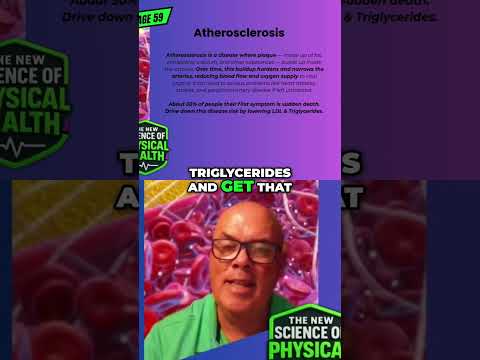
Hey there! So, have you ever heard the term atherosclerosis? It sounds all fancy and medical, right? But trust me, it’s something we should talk about.
This sneaky condition can affect your heart without you even realizing it. Imagine your arteries getting clogged like a pipe full of junk—yikes! That’s why we’re diving into how tech is stepping up to help us understand and tackle this issue.
From cool apps to smart gadgets, there are some seriously innovative ways out there to boost awareness and keep our hearts happy. Let’s get into this together and figure out how we can use tech to stay one step ahead of atherosclerosis!
Understanding Anti-Atherosclerosis: Definition, Importance, and Impact on Cardiovascular Health
So, let’s chat about atherosclerosis. Sounds complicated, right? Well, it’s really just a fancy term for a condition that affects your arteries. Basically, what happens is cholesterol and other stuff like fat build up in your blood vessels over time. This creates plaques that make it harder for blood to flow. You can think of it like trying to get water through a garden hose that’s clogged up. Yep, not great!
Now, why should you care? Atherosclerosis is kind of a big deal when it comes to cardiovascular health. It can lead to some serious issues like heart attacks or strokes because those plaques can break off and block blood flow completely. Yikes! So keeping an eye on this is super important if you want to keep your heart happy and healthy.
Okay, here are some things to remember about atherosclerosis:
- Progressive Disease: It doesn’t happen overnight. It’s something that builds up over years.
- Risk Factors: Things like high cholesterol, smoking, diabetes, and even stress can contribute to the development of atherosclerosis.
- Affects Anyone: Age plays a role too; the older you get, the more at risk you may be.
- Screening Matters: Regular check-ups with your healthcare provider can help catch any early signs.
You know what really gets me? Sometimes people don’t even know they have this going on until it’s too late! It makes me think of my friend who always put off her doctor visits because she felt fine. When she finally went in, they discovered some issues with her arteries! Talk about a wake-up call.
The cool part is there are now tech solutions out there aimed at raising awareness about this whole thing. Apps that remind you to monitor your cholesterol or devices that help keep track of your heart health can seriously make a difference. With knowledge comes power—knowing how to take charge of your health is key!
So remember, if you’re feeling uncertain or have questions about your heart health or any symptoms creeping up on you, grab your phone and talk to someone who knows their stuff—it could be life-saving!
Exploring Anti-Atherosclerosis Drugs: Innovations and Efficacy in Cardiovascular Health
So, atherosclerosis, huh? It’s that sneaky condition where your arteries get all clogged up with fatty deposits. This can lead to serious stuff like heart attacks or strokes. It’s like the traffic jam of your blood vessels! But don’t worry too much; there’s a lot going on in the world of medication aimed at tackling this problem.
When we talk about **anti-atherosclerosis drugs**, we’re diving into some exciting innovations. Now, some of these meds can lower cholesterol levels, which is super important since high cholesterol can really crank up your risk for heart issues.
Here are some key points that might interest you:
- Statins: These are like the classic heroes of cholesterol management. They help lower LDL (that’s the “bad” cholesterol) and have been around for years.
- PCSK9 Inhibitors: Okay, sounds fancy, right? These newer drugs actually help your body reduce LDL levels even more effectively than statins in some cases.
- Anti-inflammatory medications: Some new studies suggest that inflammation plays a big role in atherosclerosis, so there are drugs being tested to tackle that directly!
And it’s not just about pills! There’s a growing focus on **tech solutions** too. For instance, wearable devices can monitor heart health and alert you if something seems off. Seriously, it’s amazing what technology can do nowadays!
Let me tell ya about my friend Sarah. She was always worried about her dad’s heart health due to his family history of atherosclerosis. When her dad started using one of those smartwatches to track his heart rate and activity levels, he felt more in control. Plus, he followed up with his doctor to figure out which medications could work best for him.
But remember—while there are plenty of exciting options out there for managing cardiovascular health and combating atherosclerosis, none of this replaces professional healthcare advice. Always consult with healthcare professionals before making any decisions regarding treatment or medication!
So yeah, keep an eye on innovations in this area; they could be game-changers down the line!
Comprehensive Guide to Atherosclerosis Treatment: Effective Drugs and Their Names
Atherosclerosis is a condition where your arteries get narrowed due to cholesterol build-up. This can lead to some serious health issues, like heart attacks and strokes. So, what can be done about it? Well, there’s a range of options when it comes to managing and treating atherosclerosis, focusing mainly on lifestyle changes and medications. Let’s dive into that!
Lifestyle changes are often the first line of defense. Eating well can make a huge difference. Think fruits, vegetables, whole grains, and lean proteins! They help keep your heart healthy by lowering cholesterol levels.
Medications play a key role too. Here are some common types:
- Statins: These are probably the most well-known meds for lowering cholesterol. They help reduce the bad cholesterol in your blood.
- Ezetimibe: This one works by decreasing how much cholesterol your body absorbs from food.
- Bile acid sequestrants: These drugs bind bile acids in your gut, which helps lower cholesterol levels.
- PCSK9 inhibitors: A newer class of drugs that help lower LDL cholesterol by helping the liver remove it from the blood.
Sometimes medications are used together for better results. It’s like making sure all the pieces fit just right!
But remember, treatment isn’t one-size-fits-all. What works for one person may not work for another. That’s why it’s super important to chat with a healthcare professional about what’s right for you.
I’ve seen firsthand how this all comes together. A friend of mine had high cholesterol and tried changing her eating habits along with taking statins. After a couple of months? Her doctor was amazed at her progress! It was inspiring to see how making these changes turned things around.
The thing is, keeping track of heart health is crucial; awareness is key! Tech solutions like health apps or wearables can help you monitor your progress and stay informed about your condition.
So there you have it—a brief tour through the world of atherosclerosis management! Just remember—whatever path you take in dealing with this condition, always rely on professional guidance to keep things on track!
Advancements in Nanotechnology for Atherosclerosis Treatment and Management
Alright, let’s dive into the world of nanotechnology and how it’s shaking things up in the fight against atherosclerosis. You know, that pesky condition where your arteries get all clogged up with fatty deposits? Yeah, not fun. But guess what? Science is here to help.
So, what’s the deal with nanotechnology? Well, it’s basically about using super tiny particles—like way smaller than a grain of sand—to create new ways to diagnose and treat health issues. Think of it this way: imagine having little superheroes zooming around in your body to take care of business!
- Early Detection: One cool thing nanotech can do is help spot atherosclerosis early on. Some researchers are working on nanosensors that can detect changes in blood vessels before they become a big problem.
- Targeted Treatment: Another advancement is how these tiny particles can deliver medications right where they’re needed. Instead of spreading drugs all over your body (and maybe causing side effects), nanotechnology can send them straight to the clogged arteries.
- Reducing Inflammation: Inflammation plays a big role in atherosclerosis. Some nanoparticles are designed to help reduce inflammation in blood vessels, making them healthier overall.
- Improving Imaging: It also makes imaging techniques better! With nanotech, doctors might be able to see more detailed pictures of your arteries during tests like ultrasounds or MRIs. Pretty neat, huh?
I remember reading about this one study where scientists used nanoparticles to create super high-resolution images of plaque buildup in arteries. It blew my mind! Imagine figuring out exactly what’s going on in there without needing invasive procedures? Sign me up!
But look, while these advancements sound awesome and hopeful, they’re still in various stages of development and testing. So don’t run off thinking this is an instant fix or anything. Always chat with a healthcare professional for any health concerns you might have!
The thing is, as we tweak and improve technology like this, we may be getting closer to better ways to manage hteath conditions like atherosclerosis—and who wouldn’t want that?
So, here’s the thing about health and tech. You might think they don’t really mix, right? But, seriously, from my experience (and maybe yours too), technology has been kind of a game changer for keeping us all in the loop about our health. And when it comes to something as serious as atherosclerosis, which is basically when your arteries get a bit clogged up and can lead to heart issues, staying aware is super important.
I remember when my uncle had his first health scare. It was tough watching someone you love feeling weak and worried. He didn’t even know what was happening until he got to the hospital. Now, if he had some cool tech tools at home to monitor his heart health or learn more about atherosclerosis beforehand, things could have been different. You know? Maybe he wouldn’t have been so blindsided.
Tech solutions are popping up everywhere nowadays! From apps that help track your heart rate to devices that send reminders to move around more, it’s like having a personal trainer and a health coach rolled into one right in your pocket! Imagine being able to get real-time data on your cholesterol levels or even just learning about healthy eating habits through interactive platforms.
And let’s be honest: some of this stuff can feel overwhelming! But that’s where community comes in. There are online groups and forums where folks share their journeys with conditions like atherosclerosis. Connecting with others who understand what you’re going through can be so comforting. Seriously! Plus, these platforms often provide info that helps us stay informed and engaged.
But no matter how cool all the tech is, we can’t forget that nothing replaces seeing a healthcare professional. Technology is awesome for raising awareness and getting people talking—but it’s not magic; it’s just part of the toolkit we have at our disposal today.
So yeah, staying aware about our health should be easier than ever thanks to technology—it’s all about using those resources wisely. And who knows? With the right mix of knowledge and support from both tech and people around us, we might just be able to tackle serious health issues like atherosclerosis head-on. It’s worth hoping for!
