

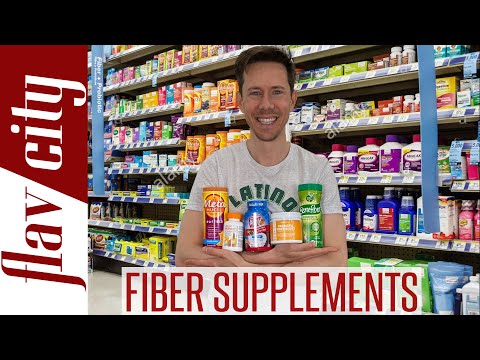
Hey there! So, let’s chat about something that might just crank up your health game. Ever heard of Benefiber powder? No? Well, you’re in for a treat!
Imagine adding something super simple to your daily routine that helps you feel lighter and more energized. Yup, that’s what we’re talking about here. Fiber is like that unsung hero in the health world. It does wonders for your gut and overall well-being!
The cool thing is, it doesn’t have to be a hassle. You can stir it into your drinks, sprinkle it on food—whatever suits you best! Trust me, it’s effortless.
So, if you wanna boost your health without breaking a sweat, stick around! We’re diving into how Benefiber can make a difference in your life. Ready? Let’s go!
Exploring the Potential Downsides of Benefiber: What You Need to Know
Benefiber has become a popular choice for those looking to boost their fiber intake. It’s an easy way to add more fiber to your diet, especially if you’re not getting enough from fruits and veggies. But there are a few things you might want to consider before diving headfirst into the world of Benefiber.
First off, let’s talk about the gut. Adding fiber to your diet can be great for digestive health, but suddenly increasing your fiber intake might lead to some unpleasant side effects, like bloating or gas. Seriously, nobody enjoys that feeling! It’s usually best to increase fiber gradually so your body can adjust.
Another thing is how Benefiber works in your body. It’s made from wheat dextrin, which is a soluble fiber. While that’s all fine and good, it means that it might not help with certain types of digestive issues where insoluble fiber is needed. So if you’re specifically looking for relief from constipation caused by these conditions, you may need a different approach.
You also have to think about hydration. When you add more fiber into your routine—whether through Benefiber or other sources—you gotta drink more water too! Otherwise, you might just end up feeling even more uncomfortable. Keep that water bottle handy!
And let’s not forget about allergies and sensitivities! If you have gluten sensitivities or celiac disease, you’ll want to check if Benefiber is right for you since it contains wheat dextrin. It’s always smart to read labels carefully.
Lastly, while Benefiber can be super convenient, it shouldn’t replace whole foods. You get micronutrients and other benefits from fruits, veggies, and whole grains that a powder just can’t match up with.
So yeah, Benefiber can be helpful if you’re looking for an easy way to boost fiber—it really can! Just be mindful of how much you’re using and what your body needs. Always remember that it’s important to consult with a healthcare professional when making big changes in your diet or if you have any specific concerns regarding digestive health!
Understanding the Withdrawal of Benefiber: Reasons Behind the Market Exit
There’s been some buzz in the health community lately, and if you’ve heard about Benefiber disappearing from shelves, you might be wondering what’s going on. So, let’s break it down together, shall we?
Benefiber is a fiber supplement that a lot of folks have loved for its ability to help keep things moving smoothly in their digestion. Seriously, who doesn’t want that? But now it seems like it’s taking a step back from the market.
You might be asking yourself why this is happening. Let’s dive into some possible reasons behind Benefiber’s withdrawal:
- Supply Chain Issues: Sometimes, production can hit a snag due to problems with sourcing ingredients or distribution delays. This means even if there’s demand, the product can struggle to reach your local store.
- Regulatory Challenges: Dietary supplements often have to navigate a tricky landscape of regulations. If something isn’t up to code or requires more paperwork than expected, companies may decide it’s just not worth the hassle.
- Market Competition: The supplement world is packed with options these days! With so many alternatives out there, companies sometimes reassess their products and evaluate whether they still fit in the fast-evolving market.
- Consumer Preferences: People change what they want and need over time. If consumers are leaning toward other forms of fiber or healthier options that catch their attention, brands may find less interest in their products.
Now, I remember when my buddy started using Benefiber a couple of years back. He was super excited about how easy it was to mix into his morning smoothie. But then one day he couldn’t find it anywhere! It left him scrambling for an alternative while keeping an eye on his gut health.
But hey, don’t panic! If you’re looking for fiber sources while Benefiber is doing its thing off the shelf—or whatever it’s doing—there are plenty of other options out there like fruits, veggies or whole grains.
Of course, any changes in your supplement routine should be discussed with your healthcare provider because they know you best! Keep your eyes peeled for updates on Benefiber’s availability and remember: it’s all about finding what works best for you!
Understanding Benefiber Side Effects: What You Need to Know
So, you’ve been hearing a lot about Benefiber, huh? It’s that fiber powder people are raving about to boost gut health effortlessly. I mean, who wouldn’t want to feel a little lighter and more energized? But before you dive in, let’s chat about the potential side effects.
First off, what is Benefiber? It’s made from wheat dextrin, which is a soluble fiber. This means it can dissolve in water and help with digestion. Sounds cool, right? But like anything good in life, it can come with some not-so-fun side effects.
Now, let me break it down for you. Here are some things to look out for if you decide to try Benefiber:
- Gas and Bloating: Some folks might notice they’re feeling a bit gassy or bloated after using it. This happens because your gut is getting used to the extra fiber!
- Stomach Cramps: Occasionally, some people report mild cramps. It’s not fun but could just be your body adjusting.
- Diarrhea or Constipation: Fiber can be tricky! Too much too fast may lead to loose stools; on the flip side, if your body isn’t ready for it, you might get constipated.
- Allergic Reactions: Though rare, there may be reactions if you’re sensitive to wheat.
You know that time when my friend decided he was going all-in on fiber because of a social media trend? He thought he could just dump Benefiber into everything! Well…let’s just say his stomach wasn’t thrilled about that decision and he had to dial it back a bit.
It’s super important to introduce any new supplement gradually. And hey, make sure you’re drinking plenty of water—seriously! That’s key when upping your fiber intake.
In the end, while Benefiber can be helpful for many people looking for digestive support (*not medical advice here!), it’s always wise to keep an ear out for how your body reacts. If anything feels off or too uncomfortable, definitely chat with a healthcare pro first! Got questions? Just ask!
Benefiber vs Metamucil: A Comprehensive Comparison of Fiber Supplements
When it comes to fiber supplements, you might have heard of Benefiber and Metamucil. They’re both popular choices for people looking to keep their digestion running smoothly. But what’s the deal with these two? Let’s break it down in a way that’s easy to digest—pun intended!
What is Benefiber?
Benefiber is a clear, taste-free powdered supplement made from wheat dextrin. It dissolves easily in liquids, which means you can mix it into your favorite drinks or even sprinkle it on food without tasting it. Pretty cool, right? It’s all about adding fiber to your diet without any fuss!
What is Metamucil?
On the other hand, Metamucil contains psyllium husk. This stuff is a bit different because when mixed with water, it forms a gel-like substance. This is great for adding bulk to your stool, but some people find the texture isn’t their favorite.
Key Differences:
- Type of Fiber: Benefiber uses soluble fiber from wheat, while Metamucil has soluble fiber from psyllium.
- Dissolvability: Benefiber dissolves completely and doesn’t change texture; Metamucil thickens up.
- Taste: Benefiber is tasteless; Metamucil has flavors like orange or berry that can be enjoyable or overwhelming depending on your palate.
Now, personal note here: I remember trying both when I was all about boosting my fiber intake. Honestly, I liked the idea of just mixing Benefiber in my smoothies without anyone noticing! But hey, some folks swear by the flavor options in Metamucil.
Your Needs Matter!
Choosing between these two really depends on what works best for *you*. If you’re looking for something that blends right in with your drinks or meals, go for Benefiber. If you want something that helps bulk things up and don’t mind the taste variations, then Metamucil could be your jam.
Remember though—this chat doesn’t replace professional healthcare advice! Make sure you’re talking with a healthcare provider if you’re thinking about adding fiber supplements into your routine. Keeping healthy is all about finding what feels best for you!
Okay, so let’s chat about Benefiber Powder for a second. You know how sometimes you just feel a bit… off? Maybe your tummy’s grumbling or things aren’t moving along as smoothly as you’d like? Yeah, I’ve been there too. It can really throw you off your game.
So, I was hanging out with my friend Lisa the other day, and she started raving about this weird powder she adds to her morning smoothie. She says it’s Benefiber, and it’s like this magic powder that helps with digestion and keeps everything running smoothly in her body. At first, I thought, “Come on! A powder can’t be that great.” But seriously, after listening to her talk about how it helped her feel lighter and less bloated, I was intrigued.
Now, here’s the scoop: Benefiber is basically made from wheat dextrin, which sounds all fancy but really just means it’s a soluble fiber. Soluble fiber is awesome because it dissolves in water and turns into a gel-like substance in your gut. This can help keep things moving along nicely if you catch my drift! Plus, since it’s tasteless and doesn’t change the texture of whatever you’re adding it to—smoothies, soups or even coffee—you can sneak it into your diet without even noticing.
It’s not like some miracle worker or anything (let’s keep it real), but adding more fiber into your life can lead to some pretty great benefits: feeling full longer, supporting healthy digestion…you get the idea. And hey, who doesn’t want to boost their health without much fuss? Honestly, sometimes we just need those little hacks that make a big difference.
But here’s the thing—if you’re thinking about giving it a go yourself, remember that everyone’s body is different. What works for Lisa might not work for you the same way…and that’s totally okay! It’s always good to listen to your own body and maybe chat with someone who knows their stuff if you’re unsure.
So maybe consider keeping some Benefiber handy—just in case you need an effortless health boost every now and then!
