

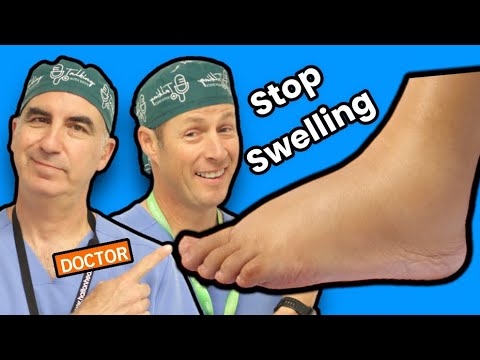
Hey there! Ever had one of those days where you just feel like a balloon ready to pop? Yeah, I’m talking about swelling and pain. It can seriously mess with your vibe, right?
Look, we all deal with it at some point—whether it’s from a long hike, an intense workout, or even just sitting at our desks for way too long. The good news? There are some pretty awesome solutions out there that can help ease that uncomfortable feeling.
In this chat, we’re diving into the top ways to find relief from that pesky swelling and pain. So grab your favorite snack and let’s get into it!
Top Pain Relievers for Reducing Inflammation and Swelling: A Comprehensive Guide
It’s no secret that pain and swelling can really put a damper on your day. Been there, done that! Whether it’s from a workout, an injury, or just life in general, dealing with inflammation can be a total hassle. So let’s chat about some common pain relievers that might help you find a bit of comfort.
Nonsteroidal Anti-Inflammatory Drugs (NSAIDs) are probably the most popular category. These include over-the-counter medications like ibuprofen and naproxen. They work by blocking certain enzymes in your body that cause inflammation. Seriously, they’re like your friendly neighborhood superheroes stepping in to save the day when you’ve got aches and pains.
Aspirin is another classic. Not only does it help with pain relief, but it can also reduce swelling. Just keep in mind it’s not the best choice for everyone—so always check with a pro if you’re unsure!
Now let’s talk about topical treatments. These are creams or gels you apply right where it hurts. Many contain ingredients like menthol or capsaicin (yep, that’s the spicy stuff from hot peppers). When you rub these on sore spots, they create a warm or cooling sensation; many people swear by them for localized pain!
Don’t forget about corticosteroids. You might have heard of these because they get mentioned a lot for inflammation. They’re often prescribed for more severe cases and work magic by suppressing the immune response that’s causing the swelling. Again, these aren’t something to self-prescribe; they’re usually used under supervision.
Another type is Acetaminophen. While not an anti-inflammatory like NSAIDs, it’s still great at easing pain without irritating your stomach (a bonus!). It won’t help reduce swelling but can be super useful for managing discomfort.
For those who prefer natural options, consider things like turmeric or ginger. Both have anti-inflammatory properties and can be incorporated into your meals or taken as supplements if you’re looking for something less conventional.
- NSAIDs: ibuprofen and naproxen.
- Aspirin: effective but check before use.
- Topical treatments: creams with menthol or capsaicin.
- Corticosteroids: powerful anti-inflammatories under doctor guidance.
- Acetaminophen: good for pain relief without affecting stomach.
- Naturals: turmeric and ginger offer gentle support.
So at the end of the day, understanding these different options could help you manage your pain and swelling more effectively. Just remember—while this info is helpful, chatting with a healthcare provider about what’s best for your situation is always wise!
Top Anti-Inflammatory Remedies for Reducing Swelling and Pain
Imagine you’ve had a long day, and your joints are feeling like they’ve been through a wrestling match. The thing is, inflammation can be such a pain—literally! It’s your body’s way of telling you that something’s off. But hey, there are some natural remedies that might help ease the swelling and discomfort. Let’s chat about a few you can consider.
- Turmeric: This golden spice is more than just something to sprinkle on your curry. It contains curcumin, which has anti-inflammatory properties. You can add it to smoothies or even make a cozy turmeric latte!
- Ginger: You might know ginger as the zesty little root in your tea or sushi. It has compounds that could help reduce inflammation. Just slice it up and steep it in hot water or toss it into stir-fries.
- Omega-3 Fatty Acids: Found in fish like salmon or even in walnuts and flaxseeds, these healthy fats can help fight inflammation. Think of them as your body’s little warriors against swelling!
- Bromelain: This enzyme comes from pineapples and is said to have anti-inflammatory effects. So, next time you snack on some juicy pineapple, remember—you’re doing more than just satisfying your sweet tooth!
- Epsom Salt Baths: After a tiring day, soaking in an Epsom salt bath might give you some relief. The magnesium can help relax muscles and reduce swelling from overexertion.
- Cayenne Pepper: This spicy pepper contains capsaicin which may dull pain sensation if applied topically (just be careful!). Or you can add some heat to your dishes for extra flavor.
- Aloe Vera: Known for its soothing properties, aloe vera gel can be applied directly to inflamed areas on your skin for a cooling sensation.
Remember when my friend Sarah twisted her ankle during that impromptu game of basketball? She swore by using ice packs along with ginger tea! Proof that simple things can really help!
These remedies might work for general discomfort but don’t forget that everyone’s body is different! If you’re considering trying something new—or if the pain is persistent—it’s always best to chat with a healthcare professional first. You know what they say: better safe than sorry!
Effective Treatments for Joint Pain and Stiffness: Relieve Discomfort and Restore Mobility
Hey there! If you’ve ever experienced joint pain or stiffness, you know how frustrating it can be. It’s like your body is working against you when all you wanna do is move freely. Sometimes these feelings come after a long workout, while other times, they just pop up out of nowhere. Let’s chat about some ways to tackle this discomfort and maybe even get your joints feeling a bit better.
First off, warm and cold therapy can be your best friends. Try applying a warm compress or taking a warm bath to help relax tight muscles around those sore joints. Cold packs work equally well for reducing swelling and numb the area, which can really help when everything feels inflamed.
You might also want to think about gentle exercises. I know it sounds counterintuitive—why move when it hurts? But actually, stretching and light movement can boost blood flow to the joints! Consider activities like swimming or yoga; they’re super gentle and often feel pretty refreshing.
- Physical Therapy: Getting professional help can be a game changer if you’re serious about your mobility.
- Nutritional Support: Eating foods rich in Omega-3 fatty acids, like fish or flaxseed oil, could help manage inflammation.
- Over-the-Counter Medications: Some people find relief using nonsteroidal anti-inflammatory drugs (NSAIDs) for short-term issues.
I remember my friend Sarah who had her fair share of joint struggles. She started incorporating some light stretches into her morning routine, and guess what? It really made a difference! She felt looser during the day and could go back to enjoying her favorite activities without so much discomfort.
The thing is, everyone’s different. What works for someone else might not work for you. Always keep that in mind! And if those aches persist or get worse, don’t hesitate to reach out to a healthcare pro for advice tailored just for you!
So there you have it—a few ideas to consider if joint pain has got you down. Hopefully, with some mindfulness and care, you’ll be back on your feet in no time!
Quick Strategies to Effectively Reduce Joint Inflammation
We all have those days when our joints feel a bit cranky, right? Whether it’s from a workout, an old injury, or just life’s little bumps, dealing with joint inflammation can be a pain—literally! But here are some quick strategies that you might find helpful in bringing down that swelling and discomfort. Just keep in mind that this info is for general awareness only and doesn’t replace professional healthcare.
- Stay Active: It sounds counterintuitive, but moving around can do wonders. Gentle exercises like walking or swimming can help keep the joints flexible without overdoing it. Think of it as giving your joints a little TLC!
- Watch What You Eat: Seriously, your diet plays a big role! Incorporating foods rich in omega-3 fatty acids, like salmon or walnuts, might help calm inflammation. And hey, add some colorful fruits and veggies to your plate too—they’re loaded with antioxidants!
- Hydration is Key: Drinking enough water is super important. When you’re well-hydrated, everything runs smoother in your body—including your joints. So grab that water bottle and sip away!
- Rest Up: Don’t forget to give yourself some downtime! Sometimes our bodies just need a break to recover. Resting can help reduce inflammation. Plus, napping isn’t just for kids; adults totally deserve that cozy time too.
- Cuddle With Cold Packs: Applying ice packs to swollen areas could provide relief by numbing the heat and helping reduce swelling. Just wrap it up in a towel first so you don’t get frostbite—that would be the opposite of soothing!
- Tune In To Your Body: Listen to what your body is telling you. If something feels off or painful during physical activity, take it easy. You know your limits better than anyone else!
Just remember: everybody’s body is different! What works wonders for one person may not have the same effect on another. So whatever strategy you try out, make sure it feels right for *you*. And if you’re ever in doubt or feeling really uncomfortable, it’s always best to reach out to a healthcare pro who can give you personalized advice!
Swelling and pain can be such a drag, right? I remember this one time after a long hike—I thought I’d conquered the mountain, but then my feet were like, “Nope!” They turned into marshmallows, swollen and throbbing. It felt like I was walking on clouds made of lead. Ouch!
But here’s the thing: relief is totally possible! There are several ways you can tackle that uncomfortable feeling without turning to anything too drastic. First off, ice is your best buddy when it comes to swelling. Seriously! Just wrap some ice in a cloth and rest it on your sore spots for about 15-20 minutes. It’s like sending a cool hug to your angry muscles.
And let’s not forget about elevation. If you can kick back and prop that swollen foot up on a pillow or a chair? Total game changer! Your body will thank you as gravity helps those pesky fluids drain away.
Now, many swear by compression as well; think of those stylish compression socks people wear during flights or sports events. They’re not just for looks—they can help keep swelling at bay.
Honestly though, everyone’s body is different! So while these ideas work well for some folks, others might need something different. That’s why chatting with a professional is key if you’re dealing with ongoing issues.
In the end, taking care of yourself doesn’t have to be complicated—sometimes simple changes make all the difference. Just remember to listen to your body; it’s pretty good at telling you what it needs!
