

Hey there! So, let’s talk about that monthly visitor—yep, you guessed it, your period. Ugh, right? We all know that cramps can feel like tiny gremlins are having a party in your belly. Seriously, sometimes it’s just the worst.
But guess what? There are some meds out there that can really help you kick those cramps to the curb. I mean, who wants to be curled up in bed when you could be out living your best life instead?
In this chat, we’ll dive into some popular options and innovative solutions for period pain relief. Because you deserve a break from those pesky symptoms! So grab a comfy spot and let’s figure this out together.
Top Medications for Relieving Menstrual Cramps: A Comprehensive Guide
So, let’s talk about menstrual cramps. They can be super annoying, right? You know, like that unwelcome guest showing up at the worst time possible. But hey, there are some medications out there that can help ease the pain.
Let’s dive into a few popular options:
- Nonsteroidal Anti-Inflammatory Drugs (NSAIDs): These are your go-to over-the-counter lifesavers. Ibuprofen and naproxen are two heavy hitters here. They work by reducing inflammation, which is often what causes those cramps.
- Acetaminophen: If you’re not into NSAIDs or can’t take them for some reason, acetaminophen might be your best buddy. It’s milder but can still work for some folks.
- Hormonal Birth Control: Ever thought about hormonal birth control? It can help regulate periods and reduce cramps too. Some people find that it makes their periods lighter and less painful.
- Prescription Medications: In more serious cases, your healthcare provider may prescribe stronger meds. This isn’t something you’d just pick up at the store, though.
You might be wondering how these meds actually work. Well, NSAIDs block the production of certain chemicals in the body that cause inflammation and pain—like attacking those cramps at their source! Acetaminophen also works differently: it mainly helps reduce pain signals in your brain.
I remember a time when a friend of mine was struggling with awful cramps during her finals week. She tried taking ibuprofen before her exams after hearing about how it could help ease the pain. It didn’t make her feel completely invincible, but she said it definitely helped her focus better!
The thing is, while these meds can provide some relief, they aren’t one-size-fits-all solutions. What works wonders for one person might just not cut it for another; it’s all about finding what fits you best! And always remember to chat with a healthcare professional if you’re thinking about starting any new medications or if your cramps feel way worse than usual.
So next time Aunt Flo comes knocking with her unwanted gift of cramps, you’ve got some options to explore! Just keep in mind this information is meant to help you understand your choices—it doesn’t replace talking to someone trained in healthcare.
Essential Guide to Period Medicine for Kids: Safe Options for Menstrual Relief
Hey there! So, let’s talk about something that many kids and teenagers experience but doesn’t get enough airtime—period cramps. These pesky pains can really throw a wrench in your day, right? It’s totally normal to look for ways to feel better. While I can’t play the role of a doctor, I can chat about some common options that might help.
First up, over-the-counter (OTC) pain relievers: You’ve probably heard of ibuprofen and acetaminophen. These meds can be pretty effective in easing cramps. They work by reducing inflammation and blocking pain signals. Just remember, it’s always a smart idea to check with a parent or guardian before taking anything.
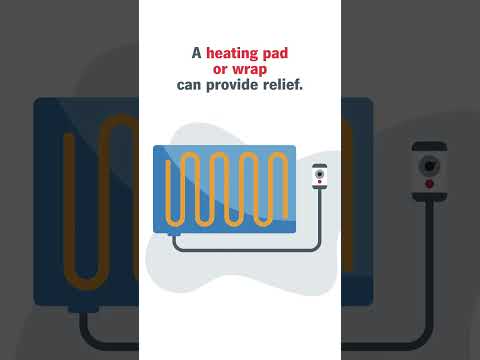
Another option is heat: Seriously! A heating pad or hot water bottle on your belly can work wonders. The warmth helps relax muscles and might ease that tight feeling you get during your period.
What about herbal remedies? Some people swear by chamomile tea or ginger. They think these natural options help reduce inflammation and soothe the tummy ache. If you’re curious, maybe give it a shot but do chat with someone who knows their stuff first!
Staying active can also do the trick: I know it sounds wild when you feel like curling up in bed, but gentle stretches or low-key exercises like walking or yoga might help release endorphins—those feel-good hormones.
And hey, don’t forget about hydration! Drinking enough water is super important during your period. Staying hydrated can help reduce bloating and even lessen cramps—win-win!
Now, before we wrap this up, remember: if cramps are seriously messing with life or getting worse over time, having a heart-to-heart with a healthcare professional is key.
That’s it for now! Hopefully this gives you some good ideas on how to manage those monthly pains. You deserve to feel good while doing the things you love!
Top Painkillers for Managing Heavy Periods: Expert Recommendations
When that time of the month hits, it can feel like a rollercoaster of emotions and discomfort, right? Heavy periods often come with some seriously uncomfortable cramps. You might be wondering what you can do to ease that pain. Well, let’s chat about some common painkillers that many people reach for.
Nonsteroidal anti-inflammatory drugs (NSAIDs) are super popular for dealing with period pain. Ibuprofen and naproxen are the big players here. They work by reducing inflammation, which can help lessen the cramping sensation. Seriously, my friend swears by ibuprofen during her heavy days—she says it’s like a lifesaver!
Another option is acetaminophen, commonly known as Tylenol. It’s gentler on the stomach than NSAIDs but still gets the job done for many people. Sometimes you just need something quick to take the edge off!
Don’t forget about hormonal contraceptives. Birth control pills can regulate your menstrual cycle and might even lighten your flow over time. It’s kinda wild how different methods work for different people, though! One of my pals found her flow became so much easier after switching up her birth control method.
If you’re into natural options, there’s always heat therapy. You know those heating pads? They’re magic! That warmth can really help soothe those pesky cramps, giving you some relief while you binge-watch your favorite show.
Now remember, it’s super important to talk to someone who knows their stuff if you’re considering any medications or changes in your routine. Everyone’s body is a little different! Always keep in mind that what works for one person may not work for another.
So when managing those heavy periods and painful cramps, just know there are options out there! Finding what helps YOU best is key. Take care!
Top Remedies for Relieving Menstrual Cramps: Effective Medicine Solutions
Hey there! If you’ve ever experienced those pesky menstrual cramps, you know how they can really put a damper on your day, right? A lot of people look for ways to ease that discomfort, and there are some common remedies out there. So, let’s chat about some options that might help you feel a bit better!
First off, over-the-counter pain relievers can be pretty effective. You’ve probably heard of ibuprofen or naproxen. These meds work by reducing inflammation and blocking pain signals in your body. Just grab some from your local pharmacy; they’re pretty standard.
Another option is acetaminophen. It’s different from ibuprofen but can also help with pain relief. However, it might not be as good at tackling inflammation. Sometimes you just need to see what works best for you.
Hormonal birth control is something you might want to think about if cramps are a regular battle for you. They can lighten your periods and reduce cramping for many people. But remember—make sure to talk to a healthcare provider about this because everyone’s body is unique!
If you’re looking at something more natural, herbal teas, like chamomile or ginger tea, might be comforting too! They won’t necessarily kick the cramps away completely but could help soothe your system.
Also, don’t forget about heat therapy. A hot water bottle or heating pad on your tummy can feel super nice. Seriously, it’s like giving yourself a warm hug when those cramps hit!
You know what’s kind of funny? I remember my friend once swore by binge-watching her favorite show while sipping on hot tea whenever she had cramps. It became her little ritual—who says self-care can’t be fun?
Aspirin, too—though it’s not the first choice anymore—is still an option if other things aren’t cutting it for you like they should.
The thing is, always listen to your body and see what works best for you individually! Everyone experiences menstrual cramping differently, so finding the right remedy may require some trial and error.
So there we have it! While these remedies might help relieve menstrual cramps, remember this doesn’t replace professional healthcare advice. If cramps are frequent or severe, make sure to chat with someone qualified!
You know, period cramps can be a real bummer. I mean, there you are, just trying to go about your day, and then bam! It feels like tiny aliens are having a dance party in your abdomen. So annoying, right?
I remember one time in college, I had this huge final exam to study for, and my cramps decided to crash the party. I was curled up on my couch with a hot water bottle and some chocolate (because obviously comfort food is essential), cursing the universe. But that’s when I started to dig into what could help ease the pain. Turns out there are quite a few options out there that might just make those monthly nuisances a bit more bearable.
So let’s chat about some medications you might come across. Over-the-counter stuff like ibuprofen or naproxen is pretty common. They work by reducing inflammation—which is basically what makes those cramps happen in the first place. But hey, different things work for different folks! Some swear by acetaminophen instead—it’s all about finding what vibes with your body.
And then there’s this whole world of hormonal treatments like birth control pills. They can help regulate cycles and even lighten your flow, which can lead to less cramping overall. It’s kinda wild how something designed for one purpose can turn into a multitasking hero.
Recently though, I’ve seen some buzz around non-medication alternatives too—like CBD products and herbal teas that folks say help relax muscles and ease discomfort. It’s amazing how many people are getting innovative with their self-care routines!
But here’s the thing: it’s always vital to talk things over with a healthcare professional before diving into any meds or alternative options. What works wonders for one person might not suit another at all.
So if you’re grappling with those pesky cramps, just know that you’re not alone in this! There are plenty of potential solutions out there—both traditional and more innovative—that may help you reclaim your time each month from those unwelcome visitors!
