

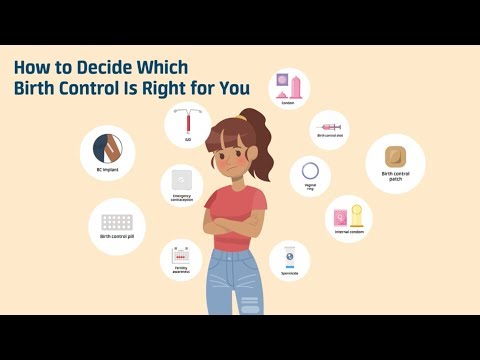
Hey there! So, let’s talk about something super important but kinda personal—birth control. I know, it can feel a little awkward, but you’re not alone in this. Seriously, everyone’s got to figure it out at some point.
Finding the right birth control for you is like trying on shoes; you’ve gotta find that perfect fit. There are so many options out there! Pill, patch, IUD—you name it. It can all get a bit overwhelming, right?
But don’t worry! We’re gonna break it down together, so you can feel confident in your choice. After all, it’s all about what’s best for your body and your lifestyle. Ready to dive in and discover what works for you? Let’s do this!
Understanding the Three-Month Pill Rule: Key Insights and Implications
So, let’s chat about that three-month pill rule. It’s one of those things that can sound a bit confusing at first, but stick with me; I promise it’ll make sense!
The three-month pill rule is basically a guideline for how long you should take birth control pills before deciding if they’re right for you. If you start a new type of pill, it’s usually recommended to give your body around three cycles—yup, that’s about three months—to adjust.
Why three months? Well now, your body needs time to get used to the hormones in the pills. Sometimes side effects pop up—like nausea or mood swings—but they often settle down after the initial adjustment period. So if you’re trying a new birth control method, don’t freak out if things feel a bit off at first!
Here are some key points to think about:
- Adjustment Period: Three months is often enough time for your body to figure things out and see how the pill works for you.
- Side Effects: Mild side effects may happen during this time, but many people find they fade away.
- Monitoring: Keep track of any changes in your cycle or how you’re feeling; it helps when chatting with your healthcare provider later!
I remember my friend Jess trying a new birth control last year. She was super nervous after she started feeling kinda moody and had some headaches. But guess what? By month three, those symptoms lessened so much she hardly noticed them anymore! And now she feels great.
The thing is, everyone is different. That’s why what works for Jess might not be the same for you. And that’s cool! Just give it time and pay attention to how you’re feeling.
If after three months, you’re still not vibing with your pill—whether it’s mood changes or something else—you should definitely chat with your healthcare provider. They can help guide you toward finding something that suits you better.
Ultimately, keeping open communication with someone who knows their stuff can really help navigate these options!
So there it is! The three-month rule: just remember to be patient with your body and keep an eye on how you’re doing.
The Healthiest Birth Control Methods: A Comprehensive Guide to Your Options
Hey there! So, let’s chat about birth control. It’s such an important topic, and it can feel a bit overwhelming, right? But don’t worry! We’re gonna break it down together in a way that’s easy to digest.
First things first, there are tons of options out there. Each one has its own set of pros and cons. You gotta find what works best for you! Here are some of the most common methods:
- Condoms: These are super popular and help prevent both pregnancy and STIs. They’re easy to find, inexpensive, and you don’t need a prescription.
- Birth Control Pills: Taken daily, these pills can regulate your cycle and reduce cramps too. Just remember—you gotta take them at the same time every day!
- IUDs (Intrauterine Devices): These little T-shaped devices live in your uterus for 3 to 12 years depending on the type. Once inserted by a healthcare provider, you won’t have to think about it again for years!
- Patches: Stick one on your skin, like a band-aid! The patch releases hormones into your body weekly for three weeks with a week off.
- Implants: This tiny rod goes under your skin and can protect you from pregnancy for up to 3 years. It’s pretty low maintenance after it’s done.
- Emergency Contraception: Think of this as backup just in case! It can be used after unprotected sex—just make sure to take it within 72 hours for maximum effectiveness.
Now here’s something personal—a friend of mine had a tough time finding the right method. She tried the pill but forgot to take it sometimes, so her doc suggested an IUD instead. It ended up being perfect for her—super convenient and no daily reminders!
Remember though: Your health is unique! What works wonders for one person might not suit another at all. That’s why chatting with your healthcare provider is key—they’ll help you navigate through all these choices based on your lifestyle.
So whether you’re just starting to explore birth control or looking to switch it up, there’s definitely something out there that fits your needs! Just take your time figuring it out; no rush at all!
And hey, if you’ve got questions or concerns—don’t hesitate to reach out to someone who knows their stuff in healthcare!
Find Your Ideal Birth Control: Take the Best Birth Control Quiz Today!
So, you’re thinking about birth control, huh? That can feel like a big deal, and it’s totally normal to have questions. There are so many options out there! Finding the right one for you can seem overwhelming, but hey, that’s where a handy quiz comes in.
When it comes to birth control, there are a bunch of choices. Some people prefer **hormonal methods** like the pill or the patch. Others might go for **non-hormonal options** like copper IUDs or condoms. There’s also the long-term stuff like implants or permanent solutions if you’re super sure about what you want. Can get confusing, right?
Taking a birth control quiz can help narrow things down based on your lifestyle and needs. You know yourself best! These quizzes typically ask about things like your health history, how often you have sex, what side effects freak you out (you know they exist), and how much maintenance you’re willing to handle.
Here are some things that quizzes usually consider:
- Your health history: Any medical concerns? They matter!
- Desired effectiveness: How safe do you want it to be?
- How much maintenance: Do you wanna think about it daily or just forget it?
- Your comfort level: Need something discreet or are you okay with something noticeable?
I remember when my friend Jess took a quiz last year. She was all over the place—first wanting an IUD, then thinking maybe she should stick with pills. But once she answered a few questions? Boom! It pointed her toward a method that fit her perfectly—now she handles her business with ease.
So yeah, these quizzes aren’t perfect (nothing is!), but they can provide some great insight into what might work best for you. Just keep in mind that any questions or concerns should still go through your healthcare professional—they’re the ones who really know their stuff.
At the end of the day, it’s all about making informed choices that suit your own vibe and situation. So why not give it a shot? You might just find something that’s exactly what you’re looking for!
Top Birth Control Pills: Minimize Side Effects for Better Health
So, let’s chat about birth control pills, shall we? They’re a popular choice for many people who want to manage their reproductive health. But not all pills are the same, and that’s where it can get a bit tricky. You might be wondering how to pick one that fits you best while minimizing side effects. Let’s dive into that!
First off, birth control pills usually come in two types: combination pills and progestin-only pills. Combination pills have both estrogen and progestin, while progestin-only ones do not contain estrogen at all. If you’re sensitive to hormones or have certain health conditions, you might lean towards the progestin-only option.
Now, when picking a pill, one important factor is the dosage. Some pills have lower doses of hormones, which can mean fewer side effects for some folks. You know how sometimes you get those pesky headaches or feel bloated? Lower-dose options might help with that!
Another biggie is the type of progestin used in the pill. There are several kinds out there! Some people find they tolerate certain types better than others—it’s all about finding your perfect fit. Personal experience matters; what works wonders for your friend may not be great for you.
And hey, don’t forget to talk about non-hormonal options. They’re out there too! Things like copper IUDs don’t use hormones at all, which means no hormonal side effects.
But remember this: it’s super important to chat with a healthcare provider about any choice you make. They’ll help guide you based on your unique situation and health history.
So keep in mind:
- Combination vs. Progestin-Only: Know what each type brings.
- Dosing Matters: Lower doses can mean fewer side effects.
- Type of Progestin: Different types affect people differently.
- Consider Non-Hormonal Options: If hormones aren’t your jam.
Finding the right birth control pill doesn’t have to be overwhelming. It’s more like dating—finding that perfect match takes some time and exploration! And ultimately, whatever you choose should support your health without cramping your style too much. Just remember to keep those conversations open with a healthcare professional along the way!
Finding the right birth control solution can feel kinda like searching for a needle in a haystack, you know? I mean, there are so many options out there, and what works for one person might not work at all for someone else. It’s super personal.
I remember when a friend of mine was trying to figure it all out. She spent nights scrolling through articles and forums, trying to understand the pros and cons of different methods. It was overwhelming! But what struck me was her determination—she wanted something that fit her lifestyle and made her feel confident about her choices.
So many things come into play here: your health history, how often you’re going to be intimate, your comfort level with hormones or devices, and even your plans for the future. It can be confusing! Some people love the pill because it’s easy to manage, while others prefer an IUD for its “set it and forget it” vibe. And then there are patches and implants! Seriously, it’s like a buffet of options.
But listen, whatever you decide on is totally okay as long as you’re making an informed choice that feels right for you. And don’t forget—it’s super important to have open conversations with your healthcare provider about what might suit you best. They can help clear up any confusion (those medical terms can sound like another language sometimes!).
You wanna feel empowered in your choices, right? So take your time exploring what feels right. It’s all about finding that perfect match—just like dating but way less complicated (hopefully!).
