

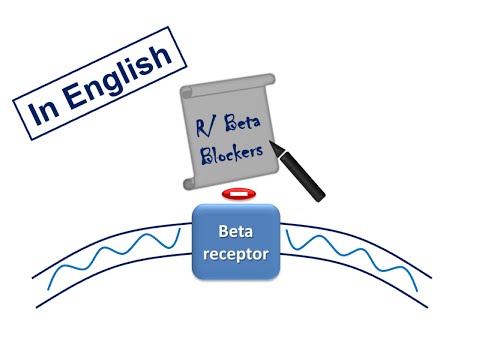
Hey there! So, let’s chat about beta blockers. You know, those little pills that pack a punch for heart health?
They’re kinda like the unsung heroes of heart failure management. Seriously! If you’ve ever felt a bit lost in the sea of heart meds, you’re not alone.
These guys help pump the brakes on your heart’s workload. It’s like giving your heart a much-needed breather. And trust me, understanding how they work can make a big difference in how you feel.
So, grab a comfy seat, and let’s dive into the world of beta blockers together!
Understanding the Contraindications of Beta-Blockers in Acute Heart Failure Management
Okay, let’s dive into the world of beta-blockers and their role in acute heart failure management. You’ve probably heard about these medications before, but what are they really doing? Well, beta-blockers can be seriously helpful for some people with heart issues. They help slow down your heart rate and lower blood pressure, which is pretty cool. But here’s the catch: they’re not for everyone, especially in acute situations.
To truly understand this, let’s talk about contraindications. When we say something is contraindicated, it means it shouldn’t be used because it could cause harm. In the case of beta-blockers during acute heart failure, there are a few important things to keep in mind:
- Severe asthma or COPD: If you’ve got trouble breathing because of lung conditions, beta-blockers can make things worse by constricting airways.
- Low blood pressure: If your blood pressure is already low, beta-blockers can drop it even further. Yikes!
- Severe bradycardia: That’s a fancy word for a very slow heart rate. If your heart’s already dragging its feet, slowing it down even more isn’t great.
- Cardiogenic shock: This is when your heart just can’t pump enough blood to meet your body’s needs. In these cases, you want to avoid anything that might hinder heart function.
You know how I once watched my friend struggle with asthma on a cold day? She was gasping for breath while trying to enjoy her favorite winter festival. It just reminded me how important it is to pay attention to our bodies and their needs—especially when taking medications like beta-blockers!
The thing is, while beta-blockers are a game-changer in managing chronic heart failure over time—helping improve things like exercise tolerance—they might not be the best option when someone is experiencing an acute episode. That’s why doctors weigh all these factors before making decisions about treatment.
So remember: if you’re ever curious about how medications interact with health conditions, it’s always best to chat with a healthcare professional. They’ll guide you through this maze and help keep things safe!
Understanding the Role of Beta Blockers in Managing Chronic Heart Failure
Sure! Let’s chat about beta blockers and how they fit into the whole picture of chronic heart failure.
So, beta blockers are a type of medication that can help manage several heart problems, including chronic heart failure. You might be wondering, what exactly do they do? Well, they work by blocking certain signals from your brain to your heart. This helps the heart beat more slowly and steadily, which can be really important when dealing with issues like heart failure.
Here are some key points to keep in mind:
- Heart Rate Control: Beta blockers slow the heart rate down. This can ease the workload on your heart.
- Blood Pressure Reduction: They can lower blood pressure too. That’s super helpful because high blood pressure puts extra strain on your heart.
- Improved Survival Rates: Studies show that people with chronic heart failure often live longer when they take beta blockers.
- Symptom Relief: These meds can help reduce symptoms like fatigue and shortness of breath, making daily life a bit easier.
Now, I remember my friend’s dad who had chronic heart failure. He was always tired and struggled to keep up with his grandkids. After he started on beta blockers, he felt more energetic and even managed to join them for afternoon bike rides—a huge win! It wasn’t magic, but it made a noticeable difference.
But here’s the thing: while beta blockers can be a big help in managing symptoms and improving quality of life for those with chronic heart failure, they’re not a cure-all. It’s important to work closely with a healthcare professional who knows your situation well. They’ll make sure you’re taking this sort of medication safely.
So yeah, understanding beta blockers is key if you’re dealing with chronic issues related to your ticker. Just remember, they’re part of a larger treatment plan that involves lifestyle changes and regular check-ups too! Keep chatting with your doctor about what’s right for you because every body is different—make sense?
Understanding the Role of Beta-Blockers in Managing Acute Decompensated Heart Failure
So, let’s talk about beta-blockers and their role in managing acute decompensated heart failure. Now, if you’ve never heard that phrase before, don’t worry! I’m here to break it down for you.
Acute decompensated heart failure is a fancy way of saying that the heart isn’t pumping blood as well as it should be. It can cause all sorts of symptoms like shortness of breath, fatigue, and swelling. Seriously, it can be a tough situation to deal with.
Now, this is where beta-blockers come in. These are medications that help the heart work more efficiently. They do this by blocking certain signals that speed up your heart rate. Kind of like hitting the brakes on a speeding car—you want to slow things down a bit!
Here’s how beta-blockers help:
- Reduce Heart Rate: They slow down how fast your heart beats, giving it a chance to rest.
- Lower Blood Pressure: By relaxing blood vessels, they help lower your blood pressure.
- Decrease Workload: With less strain on the heart, it can function better overall.
Okay, picture this: Imagine your heart is like a runner in a marathon. If it’s running too fast without stopping for breaks, it’s gonna tire out quickly. Beta-blockers help your heart take those needed breaks so it can keep going strong over time.
It’s important to note that while beta-blockers are super beneficial for many folks with heart issues, they are not some miracle cure-all. They’re part of a broader treatment plan—think lifestyle changes and sometimes other medications too.
And hey, remember: This information is meant to be just that—informational! If you or someone you know is dealing with heart failure or any medical condition for that matter, always chat with a healthcare professional for personalized advice.
So there you have it! Beta-blockers are kind of the unsung heroes in managing acute decompensated heart failure—helping hearts everywhere beat just a little easier!
Understanding the Role of Beta Blockers in Managing Heart Failure: Efficacy and Insights
So, let’s chat about beta blockers. You might’ve heard that they’re a big deal in the world of heart health, especially when it comes to managing heart failure. But what exactly do they do? And why are they so important? Let’s break it down.
First off, beta blockers are a type of medication that mainly helps lower your heart rate and blood pressure. This can be super valuable for people dealing with heart failure, a condition where the heart struggles to pump blood effectively. By slowing things down a bit, beta blockers give the heart some much-needed relief.
Here’s how it works: Imagine your heart is like a car engine. Sometimes, if it’s running too fast or too hard, it can get worn out. Beta blockers help by acting like a speed limit for that engine. So your heart doesn’t have to go all out just to keep up with daily life.
- Efficacy: Studies have shown that these meds can actually improve survival rates in people with heart failure. That’s pretty significant!
- Additional Benefits: Besides easing the workload on your heart, beta blockers may also help reduce symptoms like fatigue and shortness of breath.
- Treatment Plans: Your healthcare provider might team beta blockers up with other medications for better results. It’s like creating a dream team for your health!
You know, I once spoke to someone whose dad had been on beta blockers for years. He noticed such an improvement; his dad could finally enjoy walks again without feeling like he’d run a marathon! It’s these little victories that make all the difference.
But here’s the thing: while beta blockers are helpful, they won’t solve everything on their own. Always chat with your healthcare provider about what works best for you or anyone you know who might be dealing with this condition.
So there you go! Understanding beta blockers doesn’t have to be complicated. Remember they’re just one piece of the puzzle in managing heart failure and should always be part of a broader discussion about health and wellness.
So, let’s chat about beta blockers and heart failure. This might not sound like the most exciting topic at first, but trust me, it’s pretty fascinating!
You know, I once had a friend who struggled with heart issues for years. It was tough to watch them go through so many ups and downs. They were always so tired and sometimes would just sit there staring blankly. But then they started taking beta blockers, and wow, what a change! It’s like someone flipped a switch. After some time on these meds, they had more energy and felt more like their old self again.
Now, if you’re wondering what beta blockers actually do—let me break it down for you. Basically, they’re medications that help your heart beat more slowly and with less force. Imagine your heart as a drummer in a band; sometimes it’s pounding too fast and hard for the music to sound good. Beta blockers calm that drummer down so everything flows smoother.
These meds are often used for people with heart failure or even high blood pressure. The cool thing is they’ve become a big part of how we manage heart failure today. They can help reduce symptoms and even improve survival rates in some folks!
But hey, it’s super important to remember that while they can work wonders for many people, they’re not the answer for everyone. Everyone’s body is different—what works for one might not work for another.
So anyway, if you or someone you know is considering them, chatting with a healthcare pro is definitely the way to go. It’s all about finding what’s best for you personally! Just imagine living life fully again; those moments matter so much!
