

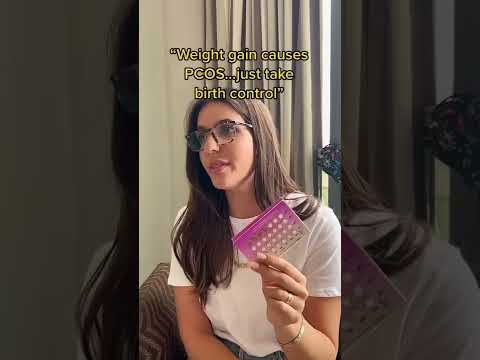
Hey there! So, let’s chat about something that might hit home for a lot of us—PCOS. You know, polycystic ovary syndrome? It sounds all fancy and medical, but trust me, it’s more common than you think.
If you’ve ever felt a little lost in the maze of options when it comes to managing it, you’re definitely not alone. Seriously! From dealing with pesky symptoms like irregular periods and weight changes to figuring out the best birth control method for your body, it can feel overwhelming sometimes.
But here’s the good news: smart birth control solutions could be your new best friends on this journey. They can help ease symptoms and give you back some control. It’s not just about preventing pregnancy; it’s about empowerment and feeling good in your skin again.
So grab a cozy drink, kick back, and let’s dive into how you can tackle this with confidence!
Understanding the Timeline: How Long Does Birth Control Take to Manage PCOS Symptoms?
Alright, let’s dive into the timeline of how long birth control can take to manage symptoms of PCOS, or polycystic ovary syndrome. Imagine you’re on a rocky road, and birth control is kind of like a smooth path that helps ease that bumpy ride. But just how long until you start feeling those smoother bumps?
First off, let’s remember that everyone’s body is unique. So, while some might feel improvements pretty quickly, others may take a little longer. Generally speaking, here’s an overview:
- Immediate Effects: Some folks might notice changes in their cycle within 1-2 months.
- Short-Term Changes: Over the next 3-6 months, many experience a more regular period and fewer symptoms like acne and excess hair growth.
- Longer-Term Management: For full benefits, it can take up to 6-12 months. This is when you may see significant shifts in your overall health and PCOS symptoms.
I remember talking to my friend who was struggling with PCOS. She started birth control and felt hopeful. She noticed mood swings lessening after just a month—such a relief! But it took about six months for her skin to really clear up. That wait was tough for her but totally worth it in the end.
The thing is, while birth control can really help manage those symptoms, it’s not going to fix everything overnight. It’s more like giving your body time to adjust and find its groove again.
If you’re considering this path or already on it, make sure to keep chatting with your healthcare provider—because they know best about what works for you! And hey, patience is key here; your journey with PCOS is unique!
Exploring the Impact of Discontinuing Birth Control on PCOS: What You Need to Know
Alright, let’s chat about what happens when you stop birth control, especially if you have PCOS (Polycystic Ovary Syndrome). It’s a big topic and honestly, it can feel a bit overwhelming, but I’m here to break it down so you can get a clearer picture.
First off, many women with PCOS use birth control pills to help manage their symptoms. These pills can regulate your menstrual cycle, help with acne, and even make hair growth more manageable. But when you decide to stop taking them, your body might react in some surprising ways.
Now, what happens when you discontinue birth control? Well, there’s no one-size-fits-all answer since every body is different. Here are a few things that might go down:
- You could notice changes in your menstrual cycle. Some folks might get their period right away, while others could find it takes a little longer for things to normalize.
- Your symptoms of PCOS may come back into play—like weight gain or acne flaring up. It’s totally common since those hormones are doing their own thing again.
- Your moods may shift too. Hormonal changes can impact how you feel emotionally, so it’s worth keeping an eye on that.
A little story for ya: My friend Sarah was on the pill for years because of her PCOS. When she decided to stop to start a family, she was super excited but also nervous about what would happen next. It took her body some time to adjust—her cycle was all over the place at first—but with support from her healthcare team and some patience, she found her rhythm again!
Remember though: This journey is unique to each individual. If you’re thinking about stopping birth control or are currently navigating life without it while managing PCOS symptoms, definitely keep in touch with your healthcare provider. They can give you insights tailored just for you—because you deserve that support!
So there you have it! Discontinuing birth control can lead to some new experiences and challenges when it comes to managing your PCOS. Just take it one step at a time and lean on those who know best!
You know, dealing with PCOS can sometimes feel like a roller coaster ride. I remember chatting with my friend Sarah the other day about her ups and downs with it. She’s been struggling for years, and it’s been a real challenge. But then we got onto the topic of birth control, and wow, that seemed to spark a little light in her eyes.
So, here’s the deal: birth control isn’t just about preventing pregnancy; it can play a pretty significant role in helping manage symptoms related to PCOS, like those pesky irregular periods or acne flare-ups. It’s sort of like finding that one random piece that makes the puzzle come together—it doesn’t solve everything, but it certainly helps shape the picture.
Now, there are different types of birth control out there. Hormonal options could be beneficial since they can help regulate your cycle and even lower those testosterone levels that sometimes go haywire with PCOS. That said, some folks might not vibe well with hormones—maybe you’re all about natural methods or just have concerns about side effects. Totally valid!
And hey, I get that talking to a doctor about this stuff can feel daunting sometimes. But it’s super important! Think of them as your co-pilot on this journey; they can guide you toward what options might fit best for your situation.
The thing is, being proactive and informed is such a huge part of managing PCOS. It isn’t easy when you’re feeling overwhelmed by symptoms or frustrated by lack of progress. Empowering yourself with knowledge—like understanding how smart birth control solutions work—can really make you feel more in control.
Sarah mentioned how empowering it felt when she finally found the right kind of support for herself—it changed her perspective entirely! And she started noticing improvements in her mood and overall health too.
So if you’re navigating through PCOS, exploring birth control options could be one way to support yourself along the journey. Just remember: what works for someone else might not work for you—and that’s perfectly okay! Everyone’s body is unique.
In the end, it’s all about finding what empowers you on this journey—whether that includes hormonal therapy or just regular check-ins with your healthcare provider. You’re not alone in this; there are so many resources out there to help guide you through! And who knows? Maybe sharing your story will inspire someone else in their own journey too!
