

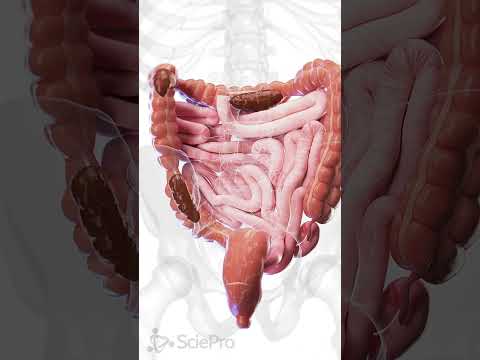
Hey there! Let’s chat about something that, honestly, we all deal with at some point—digestive health. It can be a bit of a touchy subject, right? Like, who wants to talk about gut issues over coffee?
But guess what? It matters more than you think!
You know that feeling when you’re all bloated and uncomfortable? Yikes! That’s where bisacodyl comes in. It sounds fancy, but it’s basically a little helper for your tummy.
So, if you’ve ever wondered how to get things moving again or what’s really going on with your digestion, you’re in the right place. Let’s dive into bisacodyl and see how it could change the game for your belly health!
Understanding Bisacodyl: Common Side Effects and Precautions
So, let’s chat about Bisacodyl. You might have heard of it when discussing ways to help with digestive issues. It’s a laxative that’s often used to relieve constipation. But, like anything else, it comes with its own set of quirks and side effects.
First off, what’s the deal with side effects? Some people don’t experience any at all, while others might find themselves dealing with some not-so-fun stuff. Here are a few things to keep in mind:
- Stomach cramps: These can be pretty common. It’s like your tummy is protesting a bit.
- Diarrhea: Yep, sometimes it works too well. You may find yourself making more trips to the bathroom.
- Nausea: Feeling queasy? That can happen too, especially if you take more than recommended.
- Dizziness or lightheadedness: Sometimes when your body is adjusting, you might feel a bit off balance.
Now, here’s where it gets important: precautions! You want to make sure you’re using Bisacodyl safely. That means being aware of a few things:
- If you have certain medical conditions—like stomach or bowel issues—talking to a healthcare professional is key.
- Avoid taking it for longer than directed; overuse can mess with your body’s natural rhythm.
- If you’re pregnant or breastfeeding, it’s best to check in with someone who knows their stuff before diving in.
Oh, and remember that while Bisacodyl helps many folks feel better when things get backed up, it doesn’t replace good old-fashioned self-care or that pesky doctor visit when needed.
The thing is—you gotta listen to your body! If something feels off or if you experience any severe side effects, reaching out for some professional advice is always the way to go. We all just want our tummies happy and healthy!
Understanding Bisacodyl Contraindications: Key Safety Considerations for Use
So, let’s chat about bisacodyl. It’s one of those medications that can really help when you’re feeling backed up. But like anything else, it’s super important to know when it’s safe to use and when it might not be the best choice for you. There are some key contraindications to keep in mind.
First off, if you have any bowel obstructions or severe abdominal pain, steer clear of bisacodyl. It’s like trying to fix a car with a flat tire; it just doesn’t work! It can make things worse instead of better.
Also, if you’ve had any allergic reactions to similar laxatives in the past, then bisacodyl might not be your friend either. You don’t want to tempt fate when your body has already given you a warning sign.
- Pregnancy: If you’re pregnant or breastfeeding, talk to a healthcare provider before diving in. Not everything is safe during pregnancy!
- Kidney issues: If you’ve got kidney problems, bisacodyl might not be advisable because it affects how your body processes certain things.
- Heart disease: Those with heart issues should be cautious too! Sometimes medications can mess with their heart rhythms.
The thing is, while bisacodyl can truly aid digestive health for many people, knowing these contraindications is crucial for safety. You wouldn’t want something that helps others cause issues for yourself!
If you’re unsure about whether it’s suitable for you, checking in with a healthcare professional is always smart. They’ll give you the best advice tailored just for your situation. Remember: knowledge is power!
Understanding Bisacodyl: Key Indications and Usage Guidelines
Alright, let’s dive into Bisacodyl! You might have heard about it in relation to digestive health. So, what’s the deal? Well, Bisacodyl is a type of medicine that helps to relieve constipation. It’s often used when you need a little extra nudge for your bowels to get things moving.
The thing is, Bisacodyl works by stimulating the nerves in your intestines. This means it can help increase the activity in your colon. Think of it as giving your digestive system a gentle wake-up call! It’s usually taken orally or even as a suppository for quicker relief.
If you ever find yourself stuck and not able to go, here are some key points about Bisacodyl:
- Indication: It’s often indicated for short-term relief of constipation.
- Usage Guidelines: Usually taken before bedtime; effects can happen within 6 to 12 hours.
- Forms: Available in tablets or liquid forms.
- Caution: Not meant for long-term use; see a doc if you have chronic issues.
- Sided Effects: Some people may experience cramping or discomfort—this doesn’t feel great, but it’s generally temporary.
I remember when my buddy was struggling with constipation after an epic road trip. Seriously, they were just stuck! A quick chat led them to try Bisacodyl, and bam—they were back on track by morning. Life savers, right?
The big takeaway here is that while Bisacodyl may be super helpful for occasional use, it’s always smart to check with a healthcare provider if you’re having ongoing digestive troubles. Your health matters, so don’t hesitate to reach out!
This info is just for your understanding and shouldn’t replace what professionals tell you about your health. So there you have it—a friendly rundown on Bisacodyl! Make sense?
Understanding Bisacodyl Dosage: Guidelines and Recommendations for Safe Use
So, let’s talk about bisacodyl. It’s a type of laxative often used when things get, well, a bit stuck in the digestive system. You know how sometimes after a big meal or a stressful week, you might feel like your tummy is just not cooperating? Yeah, that’s when bisacodyl can come into play. But understanding how to use it safely is super important.
Dosage guidelines can vary depending on the specific situation. For adults and kids over 12 years old, it’s usually recommended to take one bisacodyl tablet (5 to 15 mg) once a day. Some folks might choose to use it as a suppository instead; in those cases, it’s typically one suppository inserted once per day. Remember, that’s generally safe but not for everyone!
If you’re thinking about using bisacodyl, consider these key points:
- Avoid taking it longer than a week unless your healthcare provider gives the thumbs-up.
- Drink plenty of water! Staying hydrated is super helpful when dealing with any digestive issues.
- If you notice severe cramps or if things don’t clear up after using it, that’s your cue to call up someone who knows more—like your doc.
I remember my friend Sarah had this moment where she thought she could just keep popping laxatives during a rough patch. Spoiler alert: It didn’t end well! She learned the hard way that moderation is important. So, always be mindful and listen to what your body is telling you!
The thing is, bisacodyl can be helpful for occasional relief but doesn’t replace healthy habits like eating fiber and staying active. Seriously though—those are key players in keeping your gut happy!
In the end, if you have questions or concerns about using bisacodyl—or if it feels like something isn’t right—it’s best to chat with your healthcare provider first. Safe usage matters!
You know, digestive health can be a bit of an awkward topic to talk about, but let’s face it—everyone deals with it at some point. I remember this one time my buddy Jake was complaining about how uncomfortable he felt after a week of fast food and zero veggies. It was one of those moments where you just knew he needed a little help in the digestion department. That’s where bisacodyl comes in, although it took me a moment to put two and two together on what exactly it does.
So, bisacodyl is a laxative, right? It works by stimulating your intestines to effectively get things moving along. Imagine telling your digestive system: “Hey! Get your act together!” That’s pretty much what this little guy does! It’s often used for those times when you really need some relief from constipation or before certain medical procedures.
But here’s the thing: while it can be super helpful for many people, it’s not magic. It won’t solve every problem under the sun. Like, if you’re dealing with chronic issues or something more serious, that’s a whole different ball game. You definitely want to have a chat with someone who knows their stuff—like your doctor.
I’ve heard stories from folks who swear by bisacodyl after they’ve tried everything else and just couldn’t catch a break. For them, it might feel like finding light at the end of a long tunnel—you know? Sometimes we just need that push (literally!) to get things back on track.
So yeah, bisacodyl plays its role in digestive health for sure! It’s like that dependable friend who can swoop in when you’re feeling stuck (pun totally intended). But remember, everyone’s body is different. What works wonders for one person could be totally off for another.
Just stay aware and keep those veggies close—you’ll thank yourself later! Anyway, if you ever find yourself lost in the world of digestion stuff again, don’t hesitate to check in with someone who knows what they’re talking about.
