

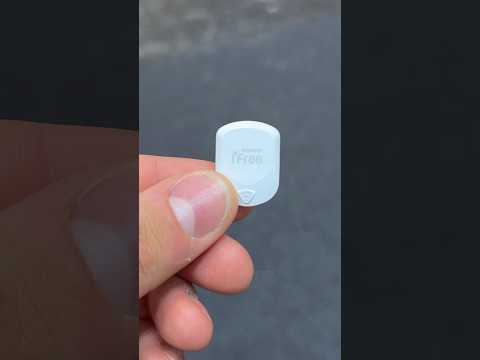
Hey there! Have you ever found yourself staring at a blood sugar monitor and just feeling… lost? Yeah, me too.
Here’s the deal: as we hit those fabulous 50s and 60s, keeping an eye on our blood sugar levels becomes super important. It’s like checking in with your body to see how it’s doing.
But wait! You don’t have to feel overwhelmed. Thanks to tech-savvy solutions popping up everywhere, managing your blood sugar can be way easier than it seems.
Trust me, it’s not all numbers and graphs; there are some cool gadgets that make it pretty simple and even a bit fun. So let’s dive in and discover how you can take the reins on this journey together!
Revolutionary Advances in Blood Sugar Monitoring Technology: What You Need to Know
So, let’s chat about blood sugar monitoring technology! If you’re in your 50s or 60s, this topic is really worth knowing about. You know how we always hear about new gadgets and gizmos? Well, when it comes to health, some of these advances are super exciting!
First off, the big deal is that now you don’t need to poke your finger like a million times a day to check your blood sugar. Seriously! Continuous Glucose Monitors (CGMs) are game-changers. They attach to your skin and can give you real-time readings throughout the day. I mean, who wouldn’t want to know their blood sugar level without having to deal with those little prickers?
Another cool option is smart glucose meters. These devices are like the smartphones of blood sugar management! They can sync with apps on your phone, so you get neat charts and trends over time. This means you don’t just see the number at a glance; you can actually understand how certain foods or activities affect your levels.
- There are also wearables that track glucose levels alongside other fitness data—like heart rate or steps taken!
- Some even send alerts if your blood sugar is going too low or too high.
- And yes, this makes staying on top of things way easier.
You might be wondering: “But what if I’m not tech-savvy?” That’s okay! Many devices come with user-friendly interfaces. Plus, there are tons of tutorials online—so seriously, it’s not as scary as it sounds!
Just imagine being out with friends enjoying a meal without constantly stressing over your numbers. It’s all about making life simpler while still keeping track of what matters.
Remember though: while these tech advancements are awesome tools for health management, they don’t replace regular check-ups or professional advice. It’s always important to consult healthcare folks for guidance tailored just for you.
So there ya go! Blood sugar monitoring has come a long way—big thanks to technology! It really can help take some stress off your plate while keeping things in check.
Discover the One Fruit Proven to Lower Blood Sugar Levels Effectively
Hey there! So, let’s chat about a fruit that’s been making some waves recently when it comes to blood sugar levels. Seriously, you might wanna pay attention.
Blueberries are our star here! These little gems aren’t just delicious; they’ve also shown potential in helping manage blood sugar. I mean, who doesn’t love a tasty snack that’s also good for you, right?
So, here’s the deal with blueberries:
- Low Glycemic Index: Blueberries have a low glycemic index. This means they don’t spike your blood sugar like some other fruits can.
- Antioxidants: They’re packed with antioxidants called flavonoids. These can help your body respond better to insulin—which is great news!
- Nutrients Galore: Besides tasting awesome, they’re full of vitamins and minerals that keep you feeling your best.
Let me share a quick story. A friend of mine started adding blueberries to her morning oatmeal instead of sugary toppings. At first, she wasn’t sure if it would make any difference. But guess what? She noticed her energy was more stable throughout the day. It was like she switched from riding a roller coaster to cruising on a flat road!
Of course, while blueberries can be super helpful, they aren’t magic! It’s key to keep an eye on your overall diet and lifestyle too because they don’t replace professional healthcare advice or anything like that.
So next time you’re craving something sweet, think about grabbing some blueberries instead! They’re not just pretty—they might just give your blood sugar levels a nice little boost toward balance. Makes sense?
Understanding Continuous Glucose Monitoring: Benefits, Technology, and Best Practices
Continuous Glucose Monitoring (CGM) has been gaining a lot of attention lately, especially for folks between 50 and 60. I mean, who wouldn’t want to keep an eye on their blood sugar levels without all that finger-pricking drama? Let’s dive into what CGM is, why it’s cool, and how to make the most of it.
What is Continuous Glucose Monitoring?
CGM is a techy way to measure your blood sugar continuously throughout the day and night. Instead of testing your glucose with a finger prick every time you eat something sweet (or not so sweet), you wear a small device that tracks your glucose levels automatically. It’s like having a health buddy right on your arm!
Benefits of Using CGM
There are some pretty neat benefits that come with this gadget:
- You get real-time data, which means you’re always in the know about your blood sugar levels.
- No more painful finger pricks! Yay!
- You can spot patterns in how different foods or activities affect your glucose.
- Some devices even send alerts if your levels go too high or low!
Let me tell you, my friend Karen started using CGM last year. She found out that her blood sugar spiked when she had her favorite risotto. Now she knows when to steer clear or find alternatives!
The Technology Behind It
So how does this magic happen? A tiny sensor gets inserted just under your skin. This sensor measures the glucose in the fluid around your cells instead of directly from the blood—sounds fancy, right? The info gets sent to a monitor or smartphone app every few minutes. It’s super convenient!
Best Practices for Using CGM
To get the most outta this tech marvel, consider these practices:
- Be sure to calibrate it as needed—this helps accuracy.
- Keeps track of when you change sensors; each one has a lifespan.
- Don’t forget about charging those monitors or checking battery life!
And look, it’s important not to dismiss any recommendations from healthcare pros just because you have this snazzy gadget.
Alright, if you’re curious about keeping tabs on your health as you age gracefully, continuous glucose monitoring could be worth considering. Just remember—it doesn’t replace professional healthcare advice; it’s more like a handy tool in your wellness toolbox! So go ahead and explore what works best for you!
Enhancing Diabetes Management in Older Adults Through Continuous Glucose Monitoring
Alright, let’s chat about continuous glucose monitoring, or CGM for short. This tech is making waves, especially for older adults managing diabetes. You know, it’s like having a personal assistant for your blood sugar levels!
So, what’s the deal with CGM? Well, traditional methods involve sticking your finger multiple times a day to check your blood sugar. Ouch! But CGM takes a different route. It uses a tiny sensor placed under your skin that checks your glucose levels throughout the day and night. You get real-time data right on your smartphone or a handheld device. Cool, right?
Now, why is this super useful for folks aged 50 to 60? Let me break it down:
- Less hassle: No more poking yourself with needles all the time! You just look at your device.
- Better insights: Since you’re getting continuous data, it helps you see trends in your blood glucose levels. Maybe you notice spikes after certain meals!
- Avoiding surprises: With alerts that notify you when your levels are too high or too low, you can act quickly and safely.
I remember my grandma struggled with managing her diabetes. She was always worried about her sugar dropping while she was out shopping or hanging out with friends. After she started using CGM, her confidence soared! She could enjoy her time without constantly checking her fingerstick.
The thing is—this technology isn’t just about convenience; it also promotes better health outcomes. Having that constant feedback empowers you (or your loved one) to make informed choices about diet and activity levels.
But don’t forget: while CGM can be super helpful, it’s not a substitute for regular health check-ups or advice from healthcare professionals. Always keep that in mind!
So yeah! Continuous glucose monitoring could be a game-changer for older adults managing diabetes—making life easier and healthier one glucose reading at a time.
You know, as we hit our 50s and 60s, a lot of things start changing. I mean, suddenly our bodies don’t bounce back like they used to! One of those shifts that might be on your radar is blood sugar levels. It’s crazy how something as simple as your body’s insulin response can affect your energy, mood, and overall health.
I remember when my mom turned 60 and her doctor mentioned keeping an eye on her blood sugar. At first, she was like, “Why? I feel fine!” But as the months went by, she started noticing some ups and downs in her energy levels. That’s when she realized monitoring her blood sugar wasn’t just about avoiding diabetes; it was about feeling good.
So here’s where tech comes in! These days there are all sorts of fancy gadgets for tracking blood sugar. From continuous glucose monitors (CGMs) that you wear like a tiny badge on your arm to sleek apps that help you log meals and activity—seriously, it’s like having a supportive little buddy right in your pocket.
And let’s face it: sometimes navigating health information can feel overwhelming. But guess what? These tools really simplify things. They give instant feedback so you can see how food affects your blood sugar or recognize patterns that might need a little tweaking.
Plus, with many apps offering educational resources and tips tailored specifically for folks over 50, you’re not just getting numbers—you’re also learning how to live better day-to-day.
But hey, it’s important to remember these tech solutions aren’t replacements for healthcare professionals. You still want to chat with your doctor about what all these numbers mean for *you*. It’s all about partnership—technology helps us be more proactive and informed!
So if you or someone you know is venturing into this stage of life where blood sugar becomes a focus point, embracing some tech tools can be a game-changer. You might just find they make the whole process feel less daunting and more empowering!
