

Hey there! Let’s talk about something super important—newborn care! Yeah, I know, it sounds serious. But stick with me, because it’s actually pretty cool.
So, picture this: a tiny little baby, all curled up and cozy. Now imagine that keeping an eye on their blood sugar levels can be done with the help of some fancy technology. Wild, right?
Smart blood sugar monitoring is changing the game for newborns. It’s like giving our tiniest humans a high-tech safety net.
This tech isn’t just about numbers; it’s about making sure those little cuties are safe and thriving every step of the way. So, let’s dive into how this revolutionary stuff is making waves in newborn care!
Essential Guidelines for Regulating Newborn Blood Sugar Levels
So, let’s chat about newborn blood sugar levels. It might sound a bit technical, but it’s super important for those tiny humans to keep their sugar numbers in check. Newborns, especially if they’re premature or have certain health conditions, can sometimes struggle with this. And you know what? Stable blood sugar levels are crucial for their growth and development.
First off, what is blood sugar? Well, it’s basically the amount of glucose in the bloodstream. Glucose is like fuel for our cells. If a newborn’s blood sugar dips too low or gets too high, it can lead to some serious issues.
- Monitoring is key: Hospitals often keep an eye on these levels after birth. If you have a newborn in the NICU or need special care, expect some constant checks. It’s no biggie; it’s all part of keeping them healthy.
- Feeding schedule: Regular feedings help maintain those levels. Breast milk or formula gives babies that necessary fuel! Frequent feeding can be really helpful to prevent any low blood sugar episodes.
- Signs to watch: Sometimes you might notice signs if things aren’t right—like jitteriness or poor feeding. It’s always a good idea to mention any concerns to your baby’s healthcare provider.
A while back, I was chatting with a new mom who was super stressed about her baby’s health after birth. They monitored his blood sugar regularly and adjusted his feedings accordingly. It was nerve-wracking at first but ended up being just fine! Seeing him grow strong made all the worrying worth it.
It’s always best to trust health professionals when it comes to monitoring your little one’s blood sugar levels and following their guidelines will make things smoother! Keeping up with these essential practices helps create a stable environment for those precious newborns so they can thrive on their journey!
Evaluating the Effectiveness of Blood Glucose Monitoring Smartwatches: Do They Really Work?
So, you’ve probably heard about those fancy smartwatches that can monitor blood glucose levels. They sound pretty amazing, right? With all the tech we have these days, it’s like every piece of our lives is becoming more connected. But do these smart devices really work when it comes to blood sugar monitoring? Well, let’s dive into it.
First off, what exactly do these smartwatches do? Basically, they use sensors to track your blood glucose levels non-invasively. Instead of pricking your finger all the time (which most people dread), these watches might use things like light sensors. It’s a bit like magic, but there’s science behind it!
Now, there are some important things to consider when evaluating how effective they really are:
- Accuracy: Smartwatches need to provide reliable readings. If they’re off by even a little bit, it could lead you down the wrong path.
- Real-time Monitoring: These devices claim to give you real-time updates on your glucose levels. But is that information timely and trustworthy? That’s what really matters.
- User Experience: It should be easy for anyone to use. If you’re fumbling around trying to figure out how to read the watch, it defeats the purpose!
- Integration with Health Data: The best gadgets play well with other health apps or platforms. It helps if they can give a complete picture of your health.
And here’s a little story to paint a clearer picture: A friend of mine recently bought one of those smartwatches. She was super excited because her doctor said keeping tabs on her sugar levels could help her manage things better. But she quickly found that while the watch was cool and all, its accuracy wasn’t always spot-on compared to traditional methods! Sure, it told her when her levels were off sometimes—but there were moments where it missed the mark entirely.
Another thing worth mentioning is safety. While these watches might help with monitoring trends in your glucose levels over time—you still have to consult with healthcare professionals about any treatment or lifestyle changes.
So in short (but not too short!), smartblood glucose monitoring watches are an exciting leap into the future of healthcare tech. Just keep in mind that while they’re helpful tools, they ain’t perfect! Always team them up with professional guidance for best results and greater peace of mind.
Anyway, it’s super cool how tech tries to make our lives easier—just gotta be sure we know its limits!
Understanding the Costs of Stelo: A Comprehensive Breakdown
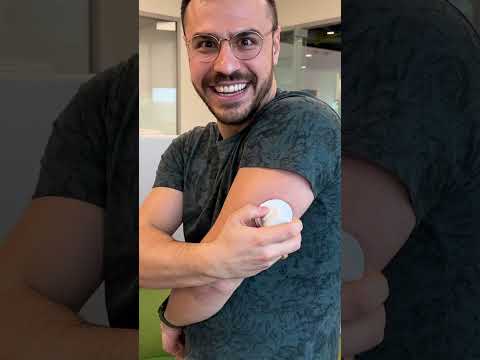
Alright, so you’ve probably heard about Stelo and how it’s changing the game for newborn care with smart blood sugar monitoring. That’s pretty cool, right? But let’s dive into what this fancy tech really costs and why it matters.
First off, **Stelo isn’t just a device; it’s a whole new way to keep an eye on those tiny blood sugar levels**. This is crucial for newborns, especially those at risk of conditions like hypoglycemia. Now, the initial cost might catch your attention. Depending on where you are and what package you choose, it can range from a few hundred to several thousand dollars. Sounds steep? Well, there’s more to it.
Here are some key costs associated with Stelo:
- **Device Price:** The upfront cost could be high but think of it as an investment in health.
- **Accessories:** You might need special accessories or sensors that aren’t included in the main device price.
- **Monitoring Services:** Some packages come with additional services that help track data over time—this can be an extra monthly fee.
- **Training:** Hospitals may offer training for staff on how to use it effectively; sometimes that’s included, sometimes not.
- **Insurance Coverage:** Check if your insurance covers all or part of these costs—this can really change your budget.
Let me share a quick story. A friend of mine had a baby who needed close monitoring after birth. They were overwhelmed by everything—hospital bills, baby supplies—you name it! But they found out that their insurance covered most of Stelo’s costs. What relief! It just goes to show that understanding the financial side can be a game changer.
You see, while the costs may seem significant at first glance, think about the benefits they bring in terms of better health outcomes for tiny humans! So if you’re considering Stelo or just curious about how much it might set you back, don’t forget to look at all angles—like potential insurance help and long-term savings when it comes to health complications.
Just remember, this info is like getting the scoop from a friend—not professional healthcare advice. Always chat with your healthcare provider about what makes sense for you and your little one!
Evaluating the Accuracy of the CareSens Glucose Monitor: A Comprehensive Review
So, you’re curious about the CareSens glucose monitor? It’s been making waves, especially in the world of newborn care. That sounds pretty cool, right? Monitoring blood sugar is super important, especially for little ones. Let’s dive into what makes this device tick and how accurate it really is.
First off, the CareSens glucose monitor is designed to be user-friendly. You just need a tiny drop of blood to get a reading. It’s great for busy parents who don’t have time to deal with complicated gadgets! But how precise are those readings? Well, accuracy is key when it comes to monitoring blood sugar.
When evaluating the accuracy of any glucose monitor, including the CareSens, you want to consider some factors:
- Clinical Studies: Check if there are any studies out there that look at its performance.
- User Feedback: What are folks saying about it? Real-life experiences can tell you a lot.
- Calibration: Does it require regular calibration? If so, that could affect its accuracy.
- Environmental Factors: Sometimes temperature and humidity can throw off readings!
One time, my friend Sarah was worried about her newborn’s blood sugar levels. She used a different monitor before switching to CareSens and noticed the new one gave her more consistent results. That made her feel way more relaxed during those fragile early months.
However, keep in mind that while tech like this can help in monitoring health conditions, it doesn’t replace professional healthcare. Always double-check with your pediatrician or healthcare provider when it comes to your little one’s health!
In short, the CareSens glucose monitor looks promising for monitoring blood sugar in newborns. Just make sure you do your homework on its reliability and remember that no device is perfect. It’s all about finding what works best for you and your baby!
Okay, so let’s chat about this whole smart blood sugar monitoring thing for newborns. It’s wild how much technology has changed everything, right? I remember when my best friend had her baby a couple of years ago. She was so nervous about the baby’s health, especially with all the checks and tests. I mean, it can be overwhelming! The little ones are so tiny and fragile.
Now imagine being able to monitor a newborn’s blood sugar levels without all the fuss of those pinpricks that used to be necessary. Honestly, that’s a game changer for parents and healthcare providers alike. We’re talking less anxiety for everyone involved and way more comfort for those little babies. It’s like giving them a cozy blanket of tech to keep them safe.
You see, high or low blood sugar levels can cause all sorts of trouble for newborns, sometimes leading to complications if not tackled promptly. This is where smart monitoring comes in—think continuous glucose monitors that can track these levels in real-time without making the babies feel like they’re going through an obstacle course just to get their numbers.
And it’s not just about keeping tabs on health; it’s also about empowering parents with knowledge. Imagine having access to this data right on your phone! You could breathe a little easier knowing you’d catch any issues before they became big problems.
Of course, we’ve gotta remember that while this tech is super cool, it doesn’t replace good old-fashioned healthcare advice from professionals. You still need those experts guiding you through it all. So it’s like having this awesome sidekick that works in tandem with your pediatrician.
The thing is, as exciting as these innovations are, they still bring up some feelings—like the balance between embracing technology and keeping that human touch in care. There’s something pure about holding your baby close and feeling their heartbeat. But hey, if we can make sure they’re healthy without adding stress? Well now, that’s definitely worth celebrating!
