

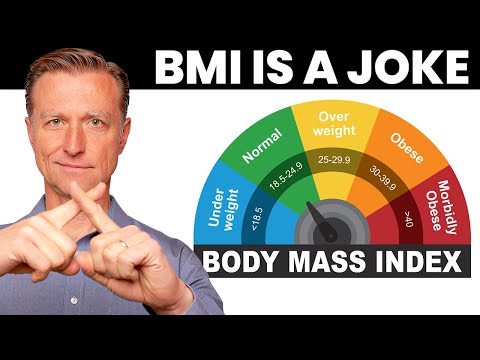
Hey there! So, let’s talk about something that’s been on everyone’s mind—health tracking. You ever just feel lost amidst all the numbers and figures? I mean, it can be overwhelming, right?
Well, here’s the scoop: understanding your body doesn’t have to be a chore. Seriously!
That’s where the ultimate BMI chart comes into play. This little chart can totally change how you view your health journey. It’s like having a friend who simplifies everything for you.
In just a few minutes, you’ll see how easy it is to keep tabs on things that actually matter without losing your mind. So, grab a snack and let’s dive in!
Calculate Your BMI: A Simple and Accurate Tool for Assessing Body Weight Health
Hey there! So, let’s chat about BMI. You might’ve heard of it before, but what does it really mean? Well, BMI, or Body Mass Index, is a tool that helps you figure out if your weight is in a healthy range. It’s pretty simple and can be done with just a bit of math!
To calculate your BMI, you’ll need to know your weight in kilograms and your height in meters. The formula is like this: BMI = weight (kg) ÷ height (m)². Sounds a bit complex? Don’t worry; it’s easier than it looks! Just follow these steps:
- First, weigh yourself. Let’s say you’re 70 kg.
- Next, measure your height. If you’re 1.75 m tall, awesome!
- Now square your height: 1.75 x 1.75 = 3.0625.
- Finally, divide your weight by that number: 70 ÷ 3.0625 = around 22.86.
This number—22.86 in our example—gives you your BMI! The BMI categories are generally as follows:
- Underweight: less than 18.5
- Normal weight: between 18.5 and 24.9
- Overweight: between 25 and 29.9
- Obesity: 30 or more
You see? It’s pretty straightforward! Just remember that while BMI can give you an idea about weight health, it doesn’t consider muscle mass or fat distribution—so take it with a grain of salt.
I remember when my friend Sarah was stressing over her weight after hearing all those health trends out there. She was convinced she needed to lose a few pounds until she calculated her BMI and realized she was right in the normal range! Sometimes numbers can really mess with our heads.
The thing is, don’t let BMI define you entirely! Use it as one tool among many to keep an eye on your health journey—but definitely chat with a healthcare professional for the full picture!
So there you have it—a quick dive into how to calculate your BMI! Pretty cool little number to have in your back pocket, huh?
Accurate BMI Calculator for Weight in KG: Age-Specific Insights
So, let’s chat about BMI, or Body Mass Index. It’s one of those numbers we hear a lot when talking about health and weight, right? Well, here’s the scoop: BMI helps give you a rough idea of whether you’re in a healthy weight range for your height. It’s pretty straightforward to calculate—you just need your weight in kilograms and your height in meters.
To find your BMI, you can use this formula:
BMI = weight (kg) / (height (m) x height (m))
For example, if you weigh 70 kg and are 1.75 meters tall, you’d do the math as follows:
70 / (1.75 x 1.75) = about 22.86.
See? Easy peasy!
Now, while BMI is useful, it’s not the whole picture—like that time I thought I could trust my friend’s cooking without tasting it first! Different age groups have different considerations when it comes to body composition. For instance:
- Kids & Teens: They’re growing! So their bodies change quickly and what might be a healthy BMI for them today might not be the same tomorrow.
- Adults: For many adults, a BMI between 18.5 and 24.9 is generally considered normal.
- Seniors: As we age, muscle mass tends to decrease. A slightly higher BMI might actually be okay for some older adults.
And get this—BMI doesn’t distinguish between muscle and fat! So someone super muscular might have a high BMI but still be really fit. But hey, that doesn’t mean you should throw it all out the window! It’s just one indicator of health.
Remember though; using an accurate BMI calculator is key! Make sure you’re getting the right figures based on your height and weight specifics because even small errors can change things up!
In short, while tracking your BMI can help with some insights into health trends over time—it’s always best to consult with healthcare professionals who can give you tailored advice based on all aspects of your health journey!
Comprehensive BMI Chart for Women: Understanding Body Mass Index and Health Goals
So, let’s chat about BMI, or Body Mass Index. It’s basically a number you get when you divide your weight by your height. This simple calculation can give you an idea of whether you’re in a healthy weight range or not. Sounds easy, right?
The BMI chart is often used to categorize individuals into different ranges: underweight, healthy weight, overweight, and obese. But remember, it doesn’t measure your body fat directly. It’s like trying to judge a book by its cover! Just because someone has a high BMI doesn’t mean they’re unhealthy—athletes can be heavier due to muscle mass.
- Underweight: A BMI below 18.5 means you might want to consider adding a bit more nutrition to your meals.
- Healthy Weight: A BMI between 18.5 and 24.9 is generally seen as ideal for good health.
- Overweight: If your BMI falls between 25 and 29.9, it could be time for some lifestyle tweaks.
- Obese: A BMI of 30 or more means it’s wise to have a chat with a healthcare professional about health goals.
You know, I once had this friend who was super into fitness—totally ripped and strong. Her BMI was technically in the “overweight” category, but she was fit as a fiddle! So keep in mind that while these categories are helpful guidelines, they don’t tell the whole story about your health.
This brings us back to health goals. If you’re looking at changing your weight or fitness levels, that might mean setting practical targets for yourself—like improving endurance or eating more greens instead of focusing solely on the scale! And hey, tracking progress is key here!
Your journey is unique, so don’t get too hung up on the numbers alone. That said, if you’re concerned about your BMI or how it relates to your health goals, chatting with someone who knows their stuff—like a doctor or registered dietitian—might be a good move!
This info does not substitute professional healthcare advice but hopefully gives you a clearer picture of what BMI is all about and how it ties into overall well-being.
Comprehensive BMI Chart for Men: Understanding Body Mass Index for Optimal Health
Alright, let’s chat about the Body Mass Index, or BMI. You might have heard it thrown around in health conversations, but what does it really mean? Well, it’s a handy way to figure out if you’re at a healthy weight for your height.
When you look at the BMI scale for men, it divides weight categories into easy-to-understand ranges. Here’s a quick breakdown:
- Underweight: A BMI less than 18.5
- Normal weight: A BMI between 18.5 and 24.9
- Overweight: A BMI between 25 and 29.9
- Obesity: A BMI of 30 or more
So let’s say you’re about my buddy Mike’s height—6 feet tall—and weigh around 160 pounds. That gives him a BMI of about 21, which falls into that “normal” range; he’s good to go!
Now, what’s cool is that understanding your BMI can help keep tabs on your overall health and fitness goals. But wait! Don’t think of this as the end-all-be-all of health. The thing is, it doesn’t account for muscle mass or where fat is distributed on your body, so keep that in mind.
It also won’t catch everything that’s going on under the surface like genetics or lifestyle factors might do. I mean, my cousin Bob has a high BMI because he’s super muscular from lifting weights all the time! BMI doesn’t reflect how fit he actually is.
So remember: while using a BMI chart can be super helpful in understanding where you stand weight-wise, it should be just one tool in your toolbox when considering your overall health. And hey, consult with healthcare professionals if you’re curious about what this all means for you—it beats guessing any day!
And yeah, just looking at numbers all day can feel dull! But keeping an eye on your health metrics can actually help motivate you to make those little changes—like taking walks more often or swapping fries for a salad sometimes.
Anyway, keep track of how you’re feeling overall—mentally and physically—and rock those healthy choices as best as you can!
So, let’s chat a bit about BMI, or body mass index if we wanna get technical. You’ve probably seen those charts or calculators that tell you where you fall on the scale. It’s kinda like having a fitness report card based on your height and weight. Sure, it’s not perfect, but it can give you some idea of where you stand regarding your health.
Honestly, I remember when I first discovered BMI. It was during a health class back in high school; we had to calculate it for ourselves. I was so nervous because I had this image in my head of me being healthy and fit—at least, that’s what I wanted to believe! But then my number popped up and honestly? It freaked me out a little. “Wow, is that really me?” I thought.
It’s funny how a simple number can make you feel all sorts of ways, right? The thing is, while BMI can point out general trends—for example whether you’re underweight, normal weight, overweight or obese—it doesn’t take into account muscle versus fat. If you’re super active and have more muscle mass (like athletes do), your BMI might say you’re overweight when really you’re just solid as a rock!
But here is the kicker: tracking health isn’t just about chasing numbers. It’s also about how you feel in your skin, what makes your body happy—whether it’s running around with your kids or feeling strong enough to lift those groceries without breaking a sweat.
Some folks love charts—I mean seriously love them—and find them super helpful for keeping tabs on their progress over time. And hey, if it motivates you to make healthier choices or helps spark conversations about fitness with friends, then that’s awesome!
But don’t forget that no single metric tells the whole story of our well-being. So while an ultimate BMI chart can be one piece of the puzzle in understanding our health journey, it’s essential to consider other factors too—like diet quality, activity levels, mental health and overall happiness.
At the end of the day? You do you! Whatever gets you feeling good is what matters most! Just remember: no chart can measure all the amazing things that make you uniquely fabulous. So go ahead and track if it helps; just keep smiling along the way!
