

Hey there! So, let’s chat about something that kinda sneaks up on us sometimes—our health, specifically our Body Mass Index or BMI. You know, that number that everyone seems to have an opinion on?
I mean, it can feel a bit overwhelming. Women’s bodies come in all shapes and sizes. And honestly, it’s not just about a single number. It’s about feeling good in your skin and being healthy, right?
But what does that really mean? Well, understanding where you fall in the BMI ranges can help you figure out if you’re on the right track—or if it’s time to make some changes.
So grab a comfy seat, and let’s dive into this together! It might just spark some thoughts about your own well-being.
Enhance Your Health Knowledge: A Comprehensive Guide to Women’s BMI Ranges Online
Understanding BMI is a great way to get a sense of how your body’s doing. BMI stands for Body Mass Index, and it’s basically a number that helps you figure out if you’re in a healthy weight range for your height. It’s not perfect, but it can give you an idea.
So, let’s break it down a bit. The formula for calculating BMI is simple:
BMI = weight (kg) / height (m)^2
Now, when we talk about women’s BMI ranges, here’s how they usually stack up:
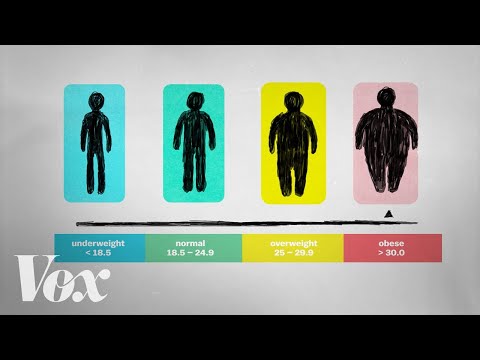
- Underweight: This is less than 18.5
- Normal weight: Ranges from 18.5 to 24.9
- Overweight: This falls between 25 and 29.9
- Obesity: This is considered as anything over 30.
It’s pretty straightforward, right? But remember, BMI isn’t the only thing to think about. Some folks are really muscular or have different body types that might skew the numbers a bit.
I remember when my best friend started tracking her BMI just out of curiosity. She was surprised to find that her fitness level and muscle mass made her look heavier on paper than she felt in reality! It just shows how unique our bodies are.
Now, let me throw in a little caution—BMI doesn’t measure everything about your health. It won’t tell you if you have too much body fat or not enough muscle. So, it’s super important to combine this information with other health indicators like diet and exercise.
Here’s the thing: all bodies are different and beautiful in their own way! Understanding your BMI can be part of that journey towards learning more about yourself, but if you’re ever unsure or concerned about your health, chatting with a healthcare professional is always the best move.
So now that we’ve cleared up what BMI is and what those ranges mean for women, hopefully it feels like less of a mystery! Remember—knowledge is power!
Understanding Women’s BMI Ranges: Free Guide to Optimize Your Health
Okay, so let’s chat about BMI, or Body Mass Index. You might have heard about it before, but what does it really mean? It’s basically a number that helps you understand if you’re in a healthy weight range for your height. But remember, this isn’t the be-all and end-all of your health! It doesn’t replace talking to a healthcare pro.
For women, BMI is classified into different ranges:
- Underweight: A BMI less than 18.5
- Normal weight: A BMI between 18.5 and 24.9
- Overweight: A BMI between 25 and 29.9
- Obesity: A BMI of 30 or more
You calculate your BMI by taking your weight in kilograms and dividing it by your height in meters squared. Sounds fancy, right? But really, it’s just basic math!
I remember chatting with my friend Sarah one day. She was feeling down because her number was higher than she wanted it to be. I told her not to sweat it! She’s super active and strong; the number doesn’t tell the whole story about her health.
The thing is, while BMI can give you a quick snapshot, it doesn’t consider other factors like muscle mass or where you carry fat on your body. So if you’re heavy on muscle, your BMI might not reflect your actual health level.
If you’re curious about what your number is or how you stack up, just remember: think of it as one piece of a larger health puzzle. Talk with someone who knows their stuff to get the full picture!
So there you have it—BMI made easy! Just keep in mind that every body is different, and numbers aren’t everything.
Understanding the Normal BMI Range for Women in Kilograms: A Comprehensive Guide
So, let’s chat about BMI, or Body Mass Index. You’ve probably heard the term tossed around here and there. It’s a way to estimate if you’re in a healthy weight range for your height. For women, understanding what the normal BMI range is can help you keep an eye on your health.
The BMI is calculated using your weight in kilograms divided by your height in meters squared. Sounds complicated? Don’t worry, it’s not as scary as it sounds! Basically, it gives you a number that can help gauge whether you’re underweight, normal weight, overweight, or even obese.
What’s the normal BMI range for women? Well now, generally speaking, a BMI between 18.5 and 24.9 is considered normal. Here’s how that breaks down:
- Underweight: Less than 18.5
- Normal weight: 18.5 to 24.9
- Overweight: 25 to 29.9
- Obesity: 30 and above
But remember! The BMI is just one measure—and it doesn’t tell the whole story about health. For example, muscle weighs more than fat! If you’re super active and lifting weights like a champ, your BMI might suggest you’re overweight while you actually have a super fit body.
I once had this friend who was totally into fitness but had a BMI that put her squarely in the “overweight” category according to charts. She was like a tiny powerhouse—strong and fit! So while those numbers can be useful to know, they don’t always show everything about someone’s health.
If you’re trying to figure out where you land on the scale of things—or if you’re just curious—just calculating your BMI might spark some interesting conversations with friends or even at the gym!
The most important thing? Stay healthy and feel good in your skin! Don’t get too hung up on numbers; everyone’s different. And if you’ve got specific health concerns or questions about your weight, it’s good to talk with someone who’s got all the right info.
If nothing else, just keep moving and enjoying life—it’s all about balance!
Calculate Your Healthy BMI: Essential Tool for Women’s Health and Wellness
Alright, let’s chat about BMI. Ever heard of it? It stands for Body Mass Index, and it’s like a little tool that helps you understand whether you’re in a healthy weight range. For women, knowing your BMI can be pretty important for overall health and wellness.
So, how do you figure out your BMI? Well, it’s a simple formula: BMI = weight (kg) / (height (m) x height (m)). Don’t worry if math isn’t your thing; there are plenty of online calculators that do the heavy lifting for you.
Once you get your BMI number, you can see where you stand on the scale:
- Underweight: Less than 18.5
- Normal weight: 18.5 to 24.9
- Overweight: 25 to 29.9
- Obesity: 30 or above
Your BMI can help give you a snapshot of your health at any given time. But here’s the thing: it doesn’t tell the whole story! It doesn’t consider things like muscle mass or body fat percentage.
Like my friend Julie—she’s super fit and could lift a truck! Her BMI says she’s overweight because of all that muscle. Isn’t that wild?
The key is to use your BMI as a starting point rather than the final word on your health. Always think about what else might be going on with your body. And hey, don’t forget that staying active and eating nutritious food is just as important as those numbers!
If you’re feeling concerned or have specific questions about your health or wellness journey, chatting with a healthcare professional is always smart. They can offer guidance tailored just for you.
Remember, knowledge is power! Understanding where you stand with your BMI can motivate positive changes in life and lead to better overall well-being.
You know, when it comes to talking about health, it can all get a bit overwhelming sometimes. I mean, we hear about BMI—Body Mass Index—all the time, right? It’s like this magic number that’s supposed to tell us whether we’re healthy or not. But let’s be real—it’s just one piece of the puzzle.
So, women and BMI—what’s the deal? Well, the BMI ranges are typically categorized in ways that reflect different weight statuses: underweight, normal weight, overweight, and obese. For women, a BMI of 18.5 to 24.9 is usually seen as “normal,” but honestly, that range can feel pretty rigid.
Let me share a little story with you. A friend of mine was always stressing about her number on the scale and where she fell on the BMI chart. She worked out like crazy and ate super healthy but still felt out of whack because she was close to being classified as “overweight.” It was so frustrating for her! Eventually, she learned to focus more on how she felt rather than just what some chart said. Now she embraces her strength and health instead of comparing herself to those numbers.
What I’m saying is this: everyone has a different body type and lifestyle, and while BMI can help give a rough idea of where you stand with your weight relative to your height, it doesn’t define your worth or overall health. You have muscle mass playing into that number if you workout regularly; anyone who’s done some lifting knows that! And let’s not forget other factors like age or bone density—all these things can shift how we see our numbers.
It’s super important to remember that feeling good in your skin means so much more than what any index tells you. So if you’re getting caught up in those numbers or feeling bad about where you fall on charts—take a deep breath! Think about being active because it makes you happy or eating delicious foods that nourish you rather than counting every calorie.
That balance is key! Focus on being healthy—not just trying to fit into someone else’s mold based on some statistic. At the end of the day, optimizing your health is all about understanding yourself better rather than fitting into a neat little box defined by numbers alone.
