

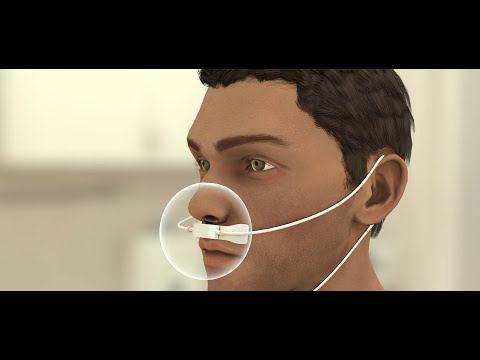
Hey there! You ever feel like you’re just not getting enough air? Yeah, it can be super frustrating.
Well, breathing shouldn’t be a chore. That’s where advanced cannula oxygen solutions come into play. They’re designed to help you breathe better, feel more alive, and enjoy life without that nagging struggle for air.
Think of it like having a little buddy by your side, making sure you get the oxygen your body craves. Sounds cool, right?
Let’s dive into how these nifty devices work and why they might just change the way you experience life!
Understanding the Side Effects of Oxygen Therapy with Nasal Cannulas
Alright, let’s chat about oxygen therapy with nasal cannulas. If you’ve ever seen someone wearing those little tubes that go around their ears and into their nostrils, that’s what we’re talking about! It’s a pretty common way to help people get a little more oxygen into their system when they need it. But like anything, there can be some side effects.
First off, let’s talk about how these cannulas work. They deliver oxygen directly to your nose, which is super helpful for folks with breathing difficulties. But sometimes, people can experience some not-so-fun side effects when using them.
Here are a few key points to keep in mind:
- Dryness: That’s one of the most common complaints! The air you breathe in can feel pretty dry, which might leave your nose and throat feeling parched.
- Irritation: Some people find that the cannula irritates their nostrils or the area behind their ears. It can get red or even sore after prolonged use.
- Discomfort: If the cannula isn’t fitted right, it can feel kinda annoying or painful. Make sure it’s comfortable!
- Headaches: Sometimes the changes in oxygen levels can lead to headaches, especially when your body is adjusting.
- Nasal congestion: Ironically, while you’re trying to breathe better, you might end up with a stuffy nose. That can be frustrating for sure!
You know what? I had a friend who started using an oxygen cannula no long ago because of some breathing issues she was having. At first, she loved how it helped her feel more energized and clear-headed! But then she mentioned her nose felt really dry all the time and she had some irritation around her ears from where the tubes sat. It made her pretty uncomfortable until she found a solution!
So remember that while nasal cannulas are great for getting additional oxygen, they can come with some side effects too! It’s always good to chat with a healthcare professional if anything feels off or bothersome because they can give personalized guidance. This info doesn’t replace professional healthcare but just aims to keep you informed during your journey!
Understanding Nasal Cannula: Is It Classified as Oxygen Therapy?
Alright, let’s dive into the world of nasal cannulas! You’ve probably seen those little tubes that sit under the nose, right? Well, they’re actually devices used for oxygen therapy. But what does that really mean?
A nasal cannula is simply a way to deliver more oxygen to someone who needs it. It’s super common in hospitals or for folks who have breathing difficulties at home. You just pop it on, and voilà! Oxygen flows through those tiny tubes straight into your nostrils.
- Oxygen therapy is all about increasing the amount of oxygen you breathe in. Sometimes our bodies need a little help to get enough of it.
- The cannula itself consists of two prongs that sit in your nose and a tube that connects to an oxygen source, like a tank or concentrator.
- One cool thing about using a nasal cannula is that it’s usually more comfortable than other oxygen delivery methods, like masks. You can still talk and drink while wearing one!
I remember visiting my grandpa in the hospital when he had pneumonia. He looked so much better once they got him set up with a nasal cannula; he could finally relax and breathe without struggling too much.
So, yes, a nasal cannula definitely falls under oxygen therapy. It’s just one different way to help people breathe better when they need extra support. Just keep in mind—while it can be super helpful for some people, it’s always best to chat with a healthcare professional about your specific needs.
And that pretty much sums it up! Next time you see someone with a nasal cannula, you’ll know it’s all about getting that good oxygen flowing!
Understanding the Risks of Excess Oxygen with Nasal Cannulas: What You Need to Know
So, you’ve probably heard about nasal cannulas and how they help people breathe better. They’re those little tubes that sit under your nose, right? Well, while they can be super helpful, there’s a biggie we should chat about: the risks of getting too much oxygen.
The thing is, we usually think more oxygen is always better. But that’s not exactly true. Excessive oxygen can lead to some problems. For instance, it might cause something called oxygen toxicity, which can affect your lungs and nervous system. Imagine going for a jog and suddenly feeling dizzy or out of breath—that could happen if you’re overloaded with O2.
Here are a few points to keep in mind:
- Watch the levels: Too much oxygen can mess with how your body handles it. It’s like giving your car too much gas—eventually, it just stalls.
- Nasal Cannulas aren’t one-size-fits-all: Each person has different needs. What works for one may not work for another.
- Signs of too much: If you start feeling headaches, nausea or find it hard to breathe—maybe it’s time to check the oxygen flow!
I remember when my grandma started using a nasal cannula. At first, she was thrilled because it made breathing easier for her COPD. But after a while, she began feeling light-headed and confused. We realized her settings were too high! It was like being on an emotional rollercoaster watching her go through that.
The bottom line is that while nasal cannulas are fantastic tools for helping with breathing issues, it’s super important to use them wisely. Always keep in touch with a healthcare professional who knows what’s best for you—better safe than sorry! And hey, staying informed is key!
Understanding Nasal Cannula Oxygen Flow Rates: A Comprehensive Guide
Alright, let’s chat about nasal cannulas and their flow rates. You might have seen someone wearing one of those little tubes that hook into their nose, right? Well, they help people breathe easier by delivering oxygen directly. Pretty cool stuff!
So, what’s the deal with flow rates? Basically, a **nasal cannula** can deliver oxygen at different speeds or rates. This is measured in liters per minute (LPM). Knowing about these flow rates helps you understand how much oxygen someone is getting. Isn’t it fascinating how something so simple can make such a big difference?
Here are some key points to chew on:
- Low Flow Rates: Generally around 1 to 6 LPM. It’s great for people who need a little extra boost but don’t require too much help.
- High Flow Rates: These go from 6 to 15 LPM. Perfect for folks who need more oxygen to keep them going.
- Comfort: The nasal cannula is often comfy and allows for movement since it doesn’t restrict the face like a mask might.
- Oxygen Concentration: The % of oxygen they get depends on the flow rate and their breathing patterns, so it varies from person to person.
Let me tell you a quick story. My friend Sam once had to use a nasal cannula during recovery from pneumonia. I remember visiting him and seeing that he could actually get up and walk around his living room instead of being bedridden! With the right flow rate set up by his healthcare provider, he felt way more lively than I expected. That just shows how important the right setup can be!
Now, you’re probably wondering how they figure out what rate someone needs. Well, that all depends on individual health circumstances! It’s always best to chat with a healthcare professional about what’s ideal.
Just remember—while understanding nasal cannulas and their flow rates is really useful information, it’s not a substitute for medical advice or care. If you’re curious or have questions about your situation or someone else’s, check in with the pros! You know your health is super important, right?
You know, breathing is something we all take for granted, right? I mean, it’s just so natural that we don’t even think about it most of the time. But there are folks out there who really struggle with it. That was the case with my aunt. She always seemed to be running out of breath, and even the littlest tasks would leave her gasping for air, which was tough to watch.
So here’s where these advanced cannula oxygen solutions come into play. They sound fancy, but they’re really just designed to help people breathe a lot better! These devices are pretty cool because they deliver oxygen directly through a little tube that fits comfortably in your nose. It’s way less bulky than those big tanks you might picture when you think of medical oxygen.
What amazed me was how these new designs have really evolved. They’ve become more comfortable and efficient over time. You don’t have to feel like you’re stuck at home in a hospital anymore; you can get mobile! That means people can still enjoy some quality time with family or go for walks without feeling tied down.
And let’s be real, breathing is everything! Whether it’s taking a deep breath before speaking or just enjoying the fresh air when you’re outside—it connects us to life itself. My aunt started using one of these advanced solutions and honestly? I could see a spark come back in her eyes. She was laughing more and even went on a trip to the beach!
So if you or someone you know is dealing with breathing issues, these innovations might make a world of difference. Just remember, though: while chatting about all these advancements is exciting, it doesn’t replace checking in with healthcare professionals who really know their stuff. But thinking about how far we’ve come with oxygen solutions is inspiring—don’t you think?
