

Hey there! Have you ever thought about how important your blood vessels are? Seriously, those little tubes do so much for us. They help deliver oxygen and nutrients throughout your body. Crazy, right?
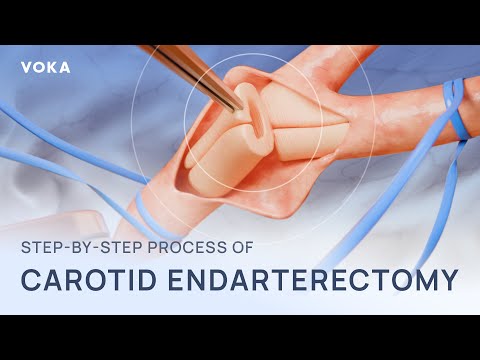
Now, let’s talk about something that might sound technical but is super interesting: carotid endarterectomy. Yeah, it’s a mouthful! But stick with me here. This procedure can really make a difference for folks dealing with serious artery issues.
Imagine this: You’re sitting at your favorite coffee spot, sipping a latte, when suddenly you hear about a new tech that makes surgery safer and faster. That’s what we’re diving into today! It’s not just about fixing arteries; it’s about reviving health in a way that feels fresh and modern.
So, if you’ve got questions or just want to learn more—you’re in the right place. Let’s unpack this together!
When Carotid Endarterectomy is Not Recommended: Key Considerations and Alternatives
Hey, let’s chat about carotid endarterectomy, shall we? It’s a surgery that helps clear blocked arteries in your neck. But, like everything in life, it’s not always the right choice for everyone. So when is it not recommended? Here are some key considerations.
Severity of Symptoms: If you’re not experiencing symptoms like dizziness or mini-strokes, doctors might think twice about diving into surgery. Sometimes, doctors may suggest waiting and keeping an eye on things instead.
Health Conditions: If you’ve got other serious health issues—like heart disease or significant lung problems—surgery can be riskier than just managing those conditions. The doc could opt for safer alternatives instead.
Aging Factors: As we age, our overall health may decline. Elderly patients might not do as well with surgery, so alternatives could be explored to avoid those risks.
Your Blockage Type: Not all blockages are created equal! If the blockage isn’t causing severe flow issues or if it’s located in a tricky spot, surgery might not be necessary at all.
Lifestyle Changes: Doctors often recommend lifestyle mods as first steps. Eating healthier and getting more exercise can sometimes be the best route before even thinking about surgery.
- Meds Over Surgery: Medications can help manage symptoms and improve your situation without going under the knife.
- Aspirin Therapy: Sometimes just taking aspirin can keep things in check and minimize risks without invasive procedures.
- Surgical Alternatives: There are less invasive options like angioplasty or stenting that might work better for you.
The thing is, every situation is unique! What works for one person won’t necessarily work for another. So never forget: your healthcare provider knows best. Always lean on their expertise rather than deciding alone.
Understanding the Optimal Clamping Order for Carotid Endarterectomy Procedures
Carotid endarterectomy is a surgical procedure that helps improve blood flow in the neck arteries. It’s like cleaning out a clogged pipe so that everything flows smoothly again. But here’s where it gets a bit tricky: the clamping order during this surgery can really make a difference.
When surgeons perform this operation, they need to clamp the carotid artery and sometimes the jugular vein to stop blood flow in the area. The optimal clamping order is crucial because it can help prevent complications. If done correctly, it could reduce risk and improve outcomes for patients.
So, what’s the deal with clamping? Well, there are typically two main arteries involved:
- The Carotid Artery: This is the major supplier of blood to your brain.
- The Jugular Vein: This helps drain deoxygenated blood from your brain back to your heart.
Surgeons usually clamp the carotid artery first, then quickly follow up with the jugular vein. This method is preferred because it helps keep blood flow stable, reducing pressure on other parts of the body. Think of it like stopping traffic at an intersection; you gotta do it in just the right order for things to work smoothly.
Oh, and here’s where it gets emotional for some folks! I remember chatting with a patient who felt scared before her surgery. She had family history of stroke and was anxious about what might happen if things went wrong. After her surgery was successful—thanks in part to this careful clamping technique—she felt relieved and thankful for modern medicine.
But keep in mind that every person’s situation is unique! So while understanding these details is helpful, nothing can replace talking to your healthcare provider about what’s best for you personally.
In essence, knowing about optimal clamping order showcases how precise and thoughtful surgeons must be during carotid endarterectomy procedures. And that makes all the difference!
Explore the Benefits of Carotid Endarterectomy: Enhance Vascular Health and Reduce Stroke Risk
So, let’s chat about carotid endarterectomy. Sounds fancy, right? Basically, it’s a surgical procedure that helps keep your blood vessels healthy and can even lower your chances of having a stroke. Here’s the scoop on what it is and why it matters.
The carotid arteries are those big guys in your neck that supply blood to your brain. When they get clogged up with fatty deposits—yep, those pesky plaques—it can really mess with your brain health. So, what does carotid endarterectomy do? It removes that buildup, allowing blood to flow smoother and reducing the risk of stroke.
Here are some key benefits:
- Improved Blood Flow: By clearing out the blockages, you help ensure that your brain gets all the oxygen and nutrients it needs!
- Reduces Stroke Risk: Less blockage means a lower chance of strokes, which is definitely something you want to avoid.
- Easier Recovery: Thanks to advanced techniques in surgery today, recovery times can be pretty quick for many folks.
- Better Quality of Life: With improved vascular health, many people find they have more energy and feel better overall.
I remember my buddy Joe went through this procedure last year. He was super nervous beforehand but came out feeling like a whole new person! The change in his energy levels was wild; he was back at hiking after just a few weeks. That’s pretty inspiring stuff!
The thing is, if you or someone you know has signs of narrowed carotid arteries—like thinking a lot about how tired or foggy they feel—it might be worth talking to a healthcare provider about this option. Remember though, this chat doesn’t replace seeing a pro; always get advice from someone who knows their stuff!
So there you have it! Carotid endarterectomy could be an essential step in enhancing vascular health and keeping those risks at bay. Take care of yourself out there!
Latest Insights and Outcomes from Carotid Endarterectomy Trials: A Comprehensive Review
So, let’s have a little chat about carotid endarterectomy—yeah, that’s a mouthful! This procedure is all about cleaning out the carotid arteries in your neck. These arteries are super important because they supply blood to your brain. If they get clogged up with cholesterol and plaque, it can lead to some serious health issues like strokes. Yikes!
Recently, there have been some new trials and studies that shed light on the latest advancements in carotid endarterectomy technologies. What’s exciting is that these trials are showing how improved techniques can help people recover better—and who doesn’t want that?
Here are a few key insights:
- Less Invasive Methods: New tech means some procedures might be less invasive than before. This could mean smaller scars and quicker recoveries.
- Better Outcomes: Results from recent trials suggest that patients are experiencing fewer complications during and after surgery.
- Tailored Approaches: Doctors are getting smarter about customizing treatment based on patients’ unique needs. It’s not one-size-fits-all anymore.
- Long-term Benefits: Early evidence points to improved long-term brain health for those who undergo this procedure, which is pretty awesome!
Now, I remember my uncle had this procedure done years ago, and back then it felt like climbing Mount Everest just to get through recovery. But it’s fascinating to see how advancements in technology can change the game for patients today.
However, just a little reminder: while this info is pretty cool, it doesn’t replace advice from healthcare pros or any personal medical consultations you might need. Always best to check with someone qualified if you’ve got questions about your own health!
So anyway, keep an eye out for more updates on this front—there’s always something new happening in the world of health technology!
Okay, so let’s talk about this thing called carotid endarterectomy. I know, it sounds super serious and a bit overwhelming, but hang in there with me!
So, picture this: You’re hanging out with your friends, laughing and joking, when one of them suddenly mentions that their uncle just had a surgery to clean out his carotid arteries. It’s like they found treasure in there or something! Anyway, it turns out that this is a procedure doctors use to help prevent strokes by removing plaque buildup in the arteries of your neck. Seriously, who knew arteries could get so cluttered?
Now, here’s where the advanced tech comes into play. Like, remember when you first got a smartphone and couldn’t believe how much easier it made life? Well, doctors are using fancy tools these days that make the whole carotid endarterectomy process safer and less invasive. They have these super cool imaging techniques that help them see exactly what’s going on inside your veins—like having X-ray vision or something!
Being able to visualize everything makes it so much easier for doctors to do their thing. Imagine you’re trying to navigate through a maze blindfolded. Not fun, right? But with all this new tech, they can actually map out the best path to take.
And here’s an emotional nugget: I remember my uncle was really worried about heart surgery years ago. The thought of being put under was enough to give him sleepless nights! But with all the advancements we have now? It’s like swapping an old flip phone for a sleek touchscreen.
But let’s not forget—this kind of tech doesn’t replace good ol’ fashioned medical guidance; it just enhances what we already have! It’s important to talk things over with healthcare providers about what you need because everyone is different.
In the end, our health is so precious. With each advancement in medicine—whether it’s for heart health or any other field—we’re reminded how far we’ve come and how much hope there is for the future. Plus, knowing there’s technology out there making procedures safer gives you a little peace of mind if you find yourself faced with something like carotid endarterectomy.
You know? It really makes you appreciate those small things in life—like just being able to hang out with those friends without worrying about what might be lurking inside our arteries! So here’s to advancements and keeping ourselves as healthy as possible!
