

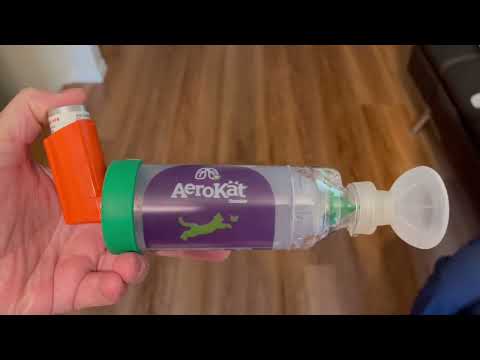
Hey there, fellow cat lovers! 🐾
Let’s talk about something super important today: your kitty’s breathing. Yeah, I know, it’s not the most glamorous topic. But hear me out! What if I told you that there’s this cool new way to help our furry friends breathe better?
Enter the cat inhaler! Sounds wild, right? This little gadget could make a world of difference for your feline buddy if they’ve been struggling with asthma or respiratory issues. Imagine watching your cat chase their favorite toy instead of wheezing and panting!
I mean, who doesn’t want their purring pal to be happy and healthy? So grab a comfy seat and let’s dive into how this innovative inhaler works and how it can really change your cat’s life!
Choosing the Best Inhaler for Cats: A Comprehensive Guide
So, you’ve noticed your feline friend having some trouble with their breathing. That can be pretty concerning, right? Well, one option that often comes up for cats with respiratory issues is an inhaler. Yeah, you heard that right! Just like humans sometimes need a little help to breathe better, so do our furry pals.
Now, picking the right inhaler can feel a bit overwhelming. But don’t stress too much; I’m here to break it down for you. Choosing the best inhaler for your cat involves a few key factors:
- Size and Comfort: You want something that fits your kitty well and doesn’t make them feel all claustrophobic. A snug but comfortable fit makes all the difference.
- Type of Inhaler: There are different types out there, like metered-dose inhalers or nebulizers. Each has its perks depending on how your cat likes to inhale their meds.
- Easiness to Use: Let’s face it: Nobody wants to struggle just to help their pet breathe better. Find an inhaler that’s user-friendly for both you and your cat.
- Cage or Spacer Accessories: Some inhalers come with these nifty gadgets called spacers. They kind of help direct the medication into your cat’s lungs more effectively.
The thing is, not every inhaler will work for every cat. I mean, my friend once had this super picky tabby named Whiskers who downright refused to use any kind of mask! It took some trial and error before they found something that worked. So patience is key!
Also, don’t forget about talking to a vet! They can give you insights tailored to your kitty’s specific needs and even recommend brands they trust.
All this might sound a bit complicated at first, but once you’ve got the right setup in place, helping your fur baby breathe easy becomes a whole lot simpler—and that’s what we all want, right?
Your fluffy companion deserves the best care possible, so take your time choosing an inhaler that works well for them!
Determining the Right Dosage of Inhaler Puffs for Your Cat: A Comprehensive Guide
So, you’ve got a furball who needs a little help breathing easier, huh? That’s where those fancy inhalers come into play. But let’s be real—figuring out how many puffs to give your cat can sometimes feel like rocket science.
First off, it’s super important to know that you need to consult with your vet. They’ll give you the scoop on the exact dosage based on your kitty’s weight and specific health needs. Seriously, don’t skip this step! Cats are delicate creatures, and their needs can vary widely.
Now, usually, dosing is based on a few factors:
- Weight of your cat: A bigger cat might need more puffs than a tiny one.
- The type of medication: Different inhalers deliver different doses of medication with each puff.
- Your cat’s condition: Some issues may require more regular doses.
You may be wondering how to actually use the inhaler. Again, check with the vet! But just so you know—most cats will need a little practice getting used to it. You might have to coax them a bit because let’s face it; most cats aren’t big fans of things in their faces!
Oh, and here’s a tip: try making it a positive experience. After every successful puff, reward them with their favorite treat. It can turn into something they look forward to instead of dread!
If you’re ever unsure about whether you’re giving the right amount or if you notice any changes in your cat’s behavior—like lethargy or unusual coughing—reach out to your vet again. Always better safe than sorry!
The thing is, every kitty is unique. So what works for one might not work for another. Just keep an eye on how they react and don’t hesitate to ask questions when in doubt!
So there you go! Keep those furry lungs happy and healthy!
Understanding the Side Effects of Asthma Inhalers in Cats: A Comprehensive Guide
Hey there! If you’re a cat owner, you might’ve heard about asthma inhalers for our furry friends. It’s kinda wild, right? But just like with people, these inhalers can have some side effects. Let’s break it down so you can get the scoop!
First off, why do cats need inhalers? Well, just like humans, cats can have asthma. This means their airways get inflamed and make it hard for them to breathe. Inhalers help them breathe better by delivering medication directly to their lungs.
Now, let’s chat about side effects. It’s essential to keep an eye on your kitty after they’ve used their inhaler. Here are some common ones:
- Coughing: Sometimes you might notice your cat coughing more than usual. It could be a reaction to the medication.
- Some cats might seem a bit more hyper or even a little sluggish after using their inhaler.
- Oral issues: If any medication is left in your cat’s mouth after using the inhaler, it could lead to some oral discomfort.
- Panting: Short bursts of rapid breathing might happen too; this might seem scary but it’s not always a big deal.
I remember when my friend Jess first got her cat Luna the inhaler. At first, Luna acted super weird; she would sprint around after her dose or just stare blankly at the wall for a while! It was all new and confusing for her little feline brain.
Another thing to keep in mind: every cat is different. Some may have no side effects at all! Or if they do show some symptoms, they might be mild and honestly not that concerning.
If you notice anything unusual with your kitty after starting on an inhaler—like if they’re having trouble breathing or seem really off—it’s always best to check with your vet. Because even though we can chat about this stuff here, nothing beats getting professional advice!
I hope this gives you a better idea of what to expect! Just remember: keeping an eye on how your furry pal reacts to their treatment is super important. Here’s to happy and healthy kitties all around!
Understanding the Side Effects of the Innovative Breathe Easy Cat Inhaler for Happy, Healthy Felines
Hey there, fellow cat lovers! So, let’s chat about something that might interest you if you’ve got a feline friend struggling with breathing issues. The Breathe Easy Cat Inhaler is this new gadget designed to help our furry buddies breathe better. Sounds cool, right? But like anything innovative, it can come with its own set of side effects. Let’s break it down!
First off, while this inhaler is meant to make things easier for your kitty, some cats might experience mild side effects. These can include:
- Coughing: Imagine your cat starting to cough after using the inhaler. It can happen!
- Changes in appetite: Some cats might feel a bit off and not want to eat as much right away.
- Lethargy: You know how sometimes you just feel blah? Cats can feel the same way after using it.
Oh! Here’s one that might hit home: my buddy Sarah once told me her cat Max was pretty groggy after trying the inhaler for the first time. She was worried until she found out it was just a temporary thing. After a day or two, he bounced back and was his usual self again!
It’s important to keep an eye on how your cat reacts after using the inhaler. If you notice anything unusual or concerning that doesn’t seem to pass quickly, don’t hesitate to reach out to your vet. Seriously, they’re there for a reason!
Also, remember that each feline is unique! What one cat experiences may not happen with another. That said, having an inhaler like this could really help some kitties breathe easy and live their best lives.
The bottom line is: the Breathe Easy Cat Inhaler can be super helpful for our furry friends but keep those potential side effects in mind. Always check in with your vet if you have questions—your kitty’s health matters most!
Hey, so let’s chat about something that’s been buzzing around the cat world lately—this cool new inhaler designed just for our furry little friends. Yeah, you heard me right! Cats have their own inhaler now. It’s amazing how inventive humans can be, right?
I mean, I was at my buddy’s place last week, and his cat, Whiskers, was kind of wheezing a bit. It broke my heart to see that little guy struggling for air. But then he showed me this inhaler he’d gotten after consulting with a vet. It looks sort of like one of those puffers people use for asthma but way cuter. Seriously!
Now, the main reason for this innovation is to help cats with respiratory issues—think allergies or asthma. You know how we often think of pets as family? Well, we want them to feel just as good as we do! So instead of pumping them with pills or hoping they’ll magically get better on their own (spoiler: they usually don’t), this inhaler offers a direct way to get that medicine into their system.
Using it isn’t super complicated either. You pop the mask over their face (which is probably the most entertaining part to watch) and press a button. Boom! You’re sending medication straight into their lungs where it’s needed most. It’s like they’re getting a spa treatment while being all grumpy about it!
But here’s the kicker: not all cats are going to love this whole scenario immediately. I mean, have you ever tried getting your cat in a carrier? Right? It’s like wrestling spaghetti! So some patience and treats might be required during those first few tries.
At the end of the day, I think it’s pretty fantastic that we’re finding new ways to help our pets breathe easier and live happier lives. And let’s be honest: A happy kitty means less stress for you too! Who wouldn’t want that? Just remember though: while these tools are game-changers, always lean on your vet for guidance—you know your furry friend best!
