

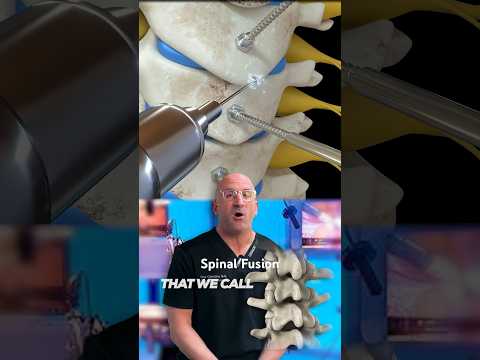
Hey there! So, let’s chat about something that might just change the game for anyone dealing with cervical spine issues. Cervical fusion—yeah, it sounds a bit intense, right? But stick with me.
Imagine waking up one morning without that nagging neck pain. Pretty amazing thought, huh? Well, recent breakthroughs in cervical fusion are sparking some serious hope for a pain-free future.
You see, this isn’t just about surgery anymore. New techniques and technologies are making things safer and more effective. That’s huge! Folks are getting back to doing what they love without the stuffy limitations.
So grab a comfy seat, and let’s dive into why these advancements are making waves in the world of neck health. I promise it’ll be worth your time!
Understanding Neck Pain a Decade Post-Cervical Fusion: Causes and Insights
So, you’re here because neck pain is bugging you, huh? Maybe it’s been ages since your cervical fusion, and now that pesky pain is creeping back in. It’s pretty common, so let’s dive into what might be going on.
Cervical fusion is a surgery meant to join two or more vertebrae in the neck to help with pain or instability. While many folks feel relief after surgery, some might experience ongoing discomfort years later. But why?
Here are a few reasons for neck pain a decade after cervical fusion:
- Degenerative Disc Disease: The discs between your vertebrae can wear down over time. So even if your fused area feels okay, other parts of your neck might start acting up.
- Adjacent Segment Disease: This fancy term means that the vertebrae next to the fused ones may have to work harder. It’s like when one friend carries all the bags while others just chill.
- Misalignment: Sometimes the spine doesn’t heal perfectly straight. If things are out of whack, it can lead to tension and pain.
- Muscle Strain: After surgery, you might change how you move or hold yourself—like how I awkwardly carried my school backpack after I threw my back out once! Those altered movements can strain muscles around your neck.
And hey, there’s also the emotional aspect of all this too! Chronic pain can really take a toll on your mood and energy levels. Just imagine trying to enjoy life but feeling that nagging twinge reminding you it’s there.
And here’s something interesting: keeping up with physical therapy and exercises post-surgery is super important! Not everyone thinks about this part and then regrets it down the line.
Remember though, while it’s good to understand what’s happening with your body, chatting with a healthcare professional is essential for personalized insights and care options. They really get into those details way deeper than any blog post ever could!
So if you find yourself dealing with this situation don’t hesitate—just reach out for help! You don’t have to go it alone; there are people who can assist you along the way.
Exploring Pain Relief: The Realities of Life After Spinal Fusion Surgery
So, you or someone you know might be facing spinal fusion surgery, right? It sounds like a big deal, and it kinda is. The thought of having your spine fused together can be pretty scary. But let’s check out some realities about pain relief after this surgery, and we’ll keep it casual.
Spinal fusion is like putting pieces of bone together to make your spine more stable. After the procedure, you’re probably gonna have some pain. That’s totally normal! You know how when you get a cut and it hurts as it heals? It’s kinda like that but with your back.
But hey, there are ways to manage that pain! Here are some things folks often experience:
- Pain levels vary: Some people feel a lot of discomfort for weeks; others say it’s more manageable.
- Recovery time: Expect several months to heal fully. It’s a process; take your time!
- Medication: Doctors usually prescribe meds to help with pain; always follow their instructions though.
- Physical therapy: This can really help speed things up! Gentle exercises help strengthen muscles.
- Emotional ups and downs: Pain can mess with your mood. Feeling frustrated is normal!
I remember my buddy Jake went through this last year. He was super worried about his recovery but ended up finding comfort in chatting with folks online who’d been through the same thing. They shared tips on how to cope emotionally and physically, which made a huge difference for him.
So, what should you keep in mind? Well now, every recovery is unique! What works wonders for one person might not do much for another. It’s all about listening to your body and keeping an open line of communication with your healthcare provider.
And don’t forget: while spinal fusion might lead you toward less pain in the long run, you won’t just wake up feeling fantastic after the surgery. It takes patience and effort—think of it as a marathon instead of a sprint!
Always remember though: This isn’t professional advice! You gotta chat with your doctor about any questions or concerns regarding procedures and recovery. They’re the best source when it comes to guiding you on this journey.
Exploring Innovative Alternatives to Spinal Fusion: New Treatments for Back Pain Relief
So, let’s chat about back pain. Seriously, who hasn’t had a twinge or a full-on ache at some point? It’s like that annoying friend who just won’t leave the party. And while some folks end up considering spinal fusion, there are actually **some innovative alternatives** out there that might make you say, “Hmm, interesting!”
Cervical fusion is often one of those go-to solutions when it comes to serious neck and back issues. But here’s the deal: not everyone wants to go through that. So what’s cooking in the world of back pain relief? Well, let me drop some knowledge on you.
1. Regenerative Medicine: This one sounds fancy but think of it like giving your body a little boost! Doctors are looking into ways to use your own cells—like stem cells—to help heal damaged areas in your spine. Imagine using what you already have to fix what’s hurting!
2. Disc Replacement: Instead of fusing vertebrae together (which can limit your movement), surgeons can replace a damaged disc with an artificial one. It helps keep your spine moving more naturally, like how cars move smoother with well-functioning parts.
3. Minimally Invasive Surgery: Ever heard of this? Instead of big cuts and long recovery times, doctors are now performing surgeries through smaller openings with smaller tools. It’s like getting a tune-up instead of a full overhaul! You’re in and out faster, which is always a win.
4. Radiofrequency Ablation: This technique involves using heat to disrupt the nerves sending pain signals from your spine to your brain. So, if those nerves could talk, they’d probably say something like “Ouch!” But with this method? They get turned down real low!
Now I remember when my buddy Sarah was dealing with awful neck pain after a car accident. She thought she might need fusion surgery for sure! But after researching and chatting with her doc about alternatives—hello regenerative medicine—she found a path that worked better for her lifestyle.
The thing is, exploring these innovative alternatives doesn’t replace medical advice or professional healthcare—it’s just part of the conversation we should all be having about back health today! Whatever path you consider for back pain relief—research it well and make sure you’ve got those pros in your corner guiding you along the way!
So, cervical fusions—what’s the deal with ’em? I can remember a friend of mine, Sarah. She had this chronic neck pain that made her life pretty miserable. Imagine waking up every day with that annoying ache in your neck, feeling like you could barely turn your head. It was rough. She tried everything, from yoga to crazy supplements, but nothing seemed to help much.
Now, cervical fusion surgery is something that’s been around for a while. Basically, it involves joining two or more bones in your neck so they heal into one solid piece. Sounds kinda intense, right? But for folks like Sarah who’ve hit a wall with other treatments, it can lead to some serious relief.
And guess what? There have been some cool breakthroughs lately! Doctors are getting better at this whole fusion thing. They’re using all sorts of new methods and tools. Some are even experimenting with techniques that involve less cutting and shorter recovery times—which is a game-changer!
Just picture it: fewer people groaning in pain or getting grumpy because they can’t enjoy their favorite activities! That’s the dream, isn’t it? Well, maybe not everyone needs surgery—many folks find relief through physical therapy or lifestyle changes—but when push comes to shove and other options are exhausted, these advancements in cervical fusion could really change lives.
But here’s the kicker: any medical procedure comes with risks and you should totally chat with a healthcare pro before making decisions. It’s all about weighing the pros and cons in light of individual situations.
Sarah ended up opting for a less-invasive procedure after learning about these advances—she was not thrilled about going under the knife either way! And after some rehab and dedication on her part? She’s back to knitting those gorgeous blankets she loves without wincing in pain. How amazing is that?
So here’s hoping for more breakthroughs. Because really, no one should have to live life in discomfort when there are innovative solutions popping up left and right!
