

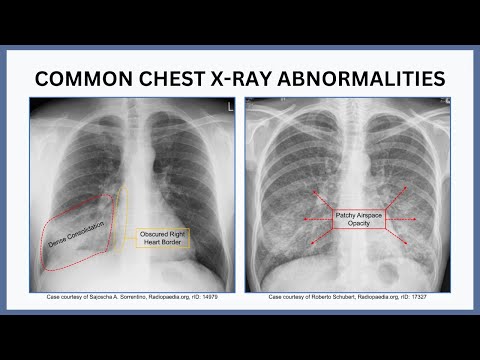
Hey there! Have you ever thought about how cool it is that we can peek inside our bodies without, you know, actually cutting anything open? Seriously, it’s like having superhero vision!
So let’s talk about chest X-rays. They’re not just those old-school pictures of your lungs anymore. With advanced tech, these images can help spot pneumonia faster and more accurately than ever before.
Pneumonia is no joke—it can hit hard and fast. But now, thanks to some fancy upgrades in imaging technology, doctors can play detective and catch it early. How awesome is that?
Stick around as we dive into how this works, and trust me, it’s pretty fascinating stuff!
Optimal Chest X-Ray Views for Accurate Pneumonia Diagnosis
Hey there! Let’s chat about chest X-rays and pneumonia. You know, X-rays are super handy when it comes to looking inside our bodies without actually opening us up. And when it comes to diagnosing pneumonia, the right views on an X-ray can make a big difference.
So, what are these optimal views we’re talking about? Typically, there are two main ones: the frontal view and the lateral view. Each one plays its part in helping doctors spot signs of pneumonia.
- Frontal view: This is like the standard snapshot of your chest. It shows your heart, lungs, and major blood vessels straight on. If there’s an infection like pneumonia, you might see some white patches indicating fluid or inflammation.
- Lateral view: Now this one gives a side look at your lungs. It helps to see how deep into the lung tissue the infection might be and can show different areas where fluid gathers that might be missed in the frontal shot.
You know what’s interesting? Sometimes doctors may ask for additional views based on what they see in those primary shots. They want all angles covered to get a complete picture! Advanced technology, like digital X-rays, means these images can be clearer and more detailed than ever before.
The thing is, while X-rays are super useful for spotting pneumonia, they’re just one piece of the puzzle. Other tests might be needed to confirm a diagnosis or get a clearer idea of what’s going on inside. So always remember that these images don’t replace a healthcare professional’s insight!
In summary – optimal views from chest X-rays help doctors detect pneumonia effectively by looking at different angles of your lungs. But it’s all about teamwork between tech and experts!
Understanding Chest X-rays: Can They Accurately Detect Pneumonia?
Alright, so let’s chat about chest X-rays and their role in detecting pneumonia. You might be wondering how these images work and if they’re really up to the task. Well, chest X-rays have been around for a while, and they’re pretty good at giving doctors a peek inside your lungs.
Pneumonia is an infection that inflames the air sacs in one or both lungs. These sacs can fill with fluid or pus, making it super important to spot it early. That’s where a chest X-ray comes in handy! But can it always catch pneumonia? Here’s the deal:
- Visibility: Chest X-rays can show areas of opacity (that’s just a fancy term for something that looks cloudy) in your lungs, which might indicate pneumonia.
- Limitations: Sometimes, pneumonia doesn’t show up clearly on an X-ray, especially if it’s mild or in certain locations. It can be tricky!
- Other Methods: Doctors often use other tests, like CT scans or blood tests, alongside X-rays to get a fuller picture of what’s going on. It’s about piecing together the puzzle.
- Anecdote: I remember when my buddy Tim was feeling under the weather. The doctor did an X-ray but couldn’t see much at first glance. After more tests, they found he had pneumonia! Just goes to show you can’t rely on one method alone.
The technology behind chest X-rays has improved over the years too! Nowadays, advanced techniques let doctors see better detail than ever before. However, none of this replaces a good conversation with your healthcare provider about symptoms and other concerns.
The takeaway? Chest X-rays are useful tools in spotting pneumonia but aren’t foolproof. They work best with other tests and evaluations as part of a larger health picture. So if you ever find yourself needing one, just remember that it’s all part of figuring out what’s happening in your body!
Exploring Current Pneumonia Detection Systems: Methods and Technologies
So, pneumonia is kind of a big deal, right? It’s a lung infection that can make you feel really crummy. Detecting it early is super important, and that’s where the tech comes in. Let’s dive into some cool ways we can find pneumonia these days!
Chest X-rays are like the classic old-school tool for spotting pneumonia. They show images of your lungs. The doctors look for signs like cloudiness or shadows that shouldn’t be there. It’s pretty neat how a quick photo can tell so much about what’s happening inside your body.
But here’s the thing: technology has stepped up its game! Now there’s advanced chest X-ray technology which uses *AI* (yup, artificial intelligence) to help radiologists read those images better and faster. Seriously! AI can highlight areas of concern, making it easier for doctors to catch those tricky cases.
Let’s not forget about CT scans too! They’re like X-rays on steroids—they provide a much more detailed view of your lungs. If regular X-rays aren’t clear enough, doctors might opt for a CT scan to get the full scoop.
And get this—there are also ultrasound technologies. They’re mainly used in babies and pregnant women, but they can be helpful for diagnosing pneumonia in certain situations too! Who would’ve thought sound waves could help see inside the body?
Then there’re blood tests. While they don’t show pneumonia directly, they can help determine if there’s an infection going on by checking your white blood cell count. It’s like having background info while looking at those lung images.
In short, today’s pneumonia detection methods blend traditional imaging with modern tech like AI and advanced scans. Together, they make it easier for healthcare providers to diagnose and treat patients swiftly.
But remember—while these technologies are awesome and improving all the time, nothing replaces talking to your healthcare provider if you have questions or concerns about your health!
Key Chest Radiograph Findings Indicative of Pneumonia: A Comprehensive Overview
Alright, let’s chat about chest radiographs and pneumonia. Chest X-rays are like a sneak peek inside your lungs. They help doctors figure out if you have pneumonia, which is basically an infection that inflates the lungs with fluid or pus. Pretty serious stuff, right?
When you get a chest X-ray, there are a few key findings that can scream “Hey, there’s pneumonia here!” Think of these as clues that the radiologist looks for:
- Consolidation: This is when part of your lung appears white on the X-ray. It usually means there’s fluid or something else taking up space where air should be.
- Infiltrates: These are fuzzy patches on the X-ray. They can indicate inflammation in the lung tissues due to an infection.
- Pleural Effusion: Sometimes pneumonia can lead to fluid building up around the lungs, and this shows up as shadows along the edges of the chest cavity in your X-ray.
- Air Bronchograms: This might sound fancy, but it’s when you can see air-filled bronchi (the little tubes in your lungs) surrounded by denser areas from inflammation or fluid. It’s like spotting a tree amidst a foggy background.
I remember when my friend got really sick one winter. She went to her doctor feeling all kinds of tired and chesty. The doc did an X-ray and found some consolidation in her lungs—definitely pneumonia! Seeing that image really put things into perspective.
Pneumonia can be tricky because not everyone shows the same signs on their X-rays, so it’s essential to follow up with healthcare professionals if you suspect something is off with your health. Always trust their judgment and expertise! Remember this doesn’t replace what a doc does; it just gives you an idea of how they might spot pneumonia using advanced technology.
So next time someone mentions a chest X-ray for pneumonia detection, you’ve got some knowledge to throw into the mix!
You know, chest X-rays have been around for quite a while, but the advancements in technology over the years are honestly mind-blowing. I mean, think about how many lives have been saved just because doctors can see what’s happening in your lungs so clearly now!
I remember when my friend Sam got really sick. He was coughing his lungs out and just felt awful. At first, he thought it was just a bad cold, but when he finally made it to the doctor, they did a chest X-ray. That moment in the waiting room—sitting there, waiting for results—it’s like time stands still. When the doctor came back, they explained that a clearer image showed signs of pneumonia. It was such a relief to know what was going on.
So here’s the thing: with advanced chest X-ray technology today, doctors can spot things like pneumonia much faster than before. They use digital imaging and AI algorithms now that help analyze those images with incredible precision. It’s kinda like having a super smart assistant right there in the imaging room! When you compare this to older methods where images were sometimes blurry or hard to interpret… wow! It’s like night and day.
And who knew that even accessing these images has become easier? Doctors can pull them up on computers or tablets quickly—even right at your bedside. That means if there’s something concerning in your lungs, they don’t waste time figuring it out; they can jump straight into discussing treatment options.
But let’s not forget—it’s not just about the technology itself; it’s what that tech means for patients like Sam or anyone dealing with respiratory challenges. Getting diagnosed faster means treatment starts sooner, which is super critical for conditions like pneumonia.
But remember! While this advanced tech is amazing, it doesn’t replace seeing a professional healthcare provider if you’re feeling unwell. You still gotta talk to someone who knows their stuff! Just knowing there are tools out there making diagnosis smoother? That feels pretty comforting, you know?
