

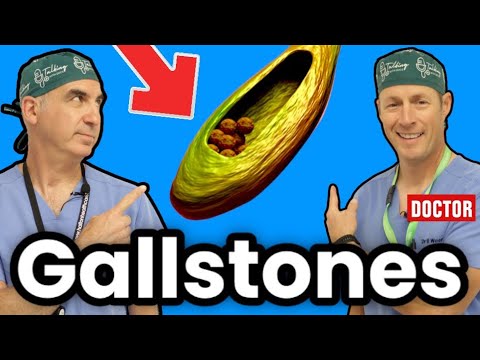
Hey there! Have you ever felt a sudden pain in your upper belly that kind of makes you think, “What on earth is happening to me?” Yeah, I get that.
So, let’s talk about something that might be behind those tummy troubles – cholecystolithiasis. Sounds fancy, huh? But it just means gallstones. They can really throw a wrench in your day-to-day life.
Now, I know what you’re thinking: sounds scary! But don’t stress just yet. Understanding the symptoms could actually help you feel better and maybe even avoid some rough patches down the line.
Stay with me! We’re going to unravel this topic together.
Exploring the Impact of Gallstones on Overall Health: Potential Complications and Risks
Gallstones can sound pretty scary, right? But let’s break them down and see what they really mean for your health. So, gallstones are little hardened deposits that can form in your gallbladder. If you’ve ever had a painful stomach ache after eating something greasy, it might be linked to these guys hanging out in your body.
When it comes to complications, well now, there are a few things you should know. Here’s the deal:
- Cholecystitis: This is when your gallbladder gets inflamed because of stones blocking the flow of bile. Trust me, it’s not fun.
- Pancreatitis: If a gallstone lodges itself in a duct and messes with your pancreas, you could end up with inflammation there too. Ouch!
- Bile Duct Obstruction: Stones can block bile ducts which might cause jaundice (that’s when your skin turns yellow) or dark urine. Definitely not a good look!
- Infection: If bile gets stuck and starts to back up, it can lead to infections that require immediate attention.
Now imagine this: Sarah loved her burgers and fries until one day she felt this awful pain in her upper belly after lunch. After some tests, she found out she had gallstones. Not exactly what you want on your dinner plate!
Rarer but still possible risks include things like perforation (which means the gallbladder could develop holes) or even sepsis (a serious infection that can make you feel very unwell). These situations don’t happen often but they sure are serious enough to keep an eye on.
So what’s the bottom line? Gallstones can lead to complications that impact your overall health if left unchecked. While they’re not always a big deal for everyone, being aware of how they could affect you is important. Always chat with a healthcare professional if you’re feeling off or have questions—they’re the real superheroes when it comes to health!
Understanding Gallstones Symptoms in Women: Key Signs to Watch For
So, let’s chat about gallstones for a second. You might’ve heard of ‘em, but what are they, really? Well, they’re these little pebble-like formations that pop up in your gallbladder. And here’s the kicker: they can cause a whole lotta trouble. Women tend to be at a higher risk for developing gallstones compared to men. Seriously! If you’re curious about the symptoms to watch out for, grab a comfy seat and let’s dive in.
First things first, what exactly should you be looking for? Here are some key signs:
- Abdominal Pain: This one’s kind of a biggie. You might feel sudden pain in your upper right abdomen or center of your belly. It can come and go or stick around longer than you’d like.
- Nausea or Vomiting: If you’re feeling queasy after eating fatty foods or just out of the blue, it’s something to note.
- Bloating: You know that “I just ate way too much” feeling? If it happens often without pigging out, it could be gallstones throwing a party in there.
- Indigestion: If meals suddenly become uncomfortable or leave you feeling off, keep that on your radar!
- Jaundice: This one sounds scary but it’s basically when your skin and eyes take on a yellowish tint. It’s definitely not normal—so don’t ignore that!
It’s kinda wild how something so small can cause so much hassle! My friend Sarah once shared her experience with gallstones—it hit her during a birthday dinner filled with rich foods. One minute she was enjoying cake, and the next she was doubled over in pain! 🥴 Talk about ruining the fun!
So remember this isn’t meant to replace any professional healthcare guidance! Seriously—if you spot these signs hanging around like unwanted house guests, make sure to reach out to someone who knows their stuff better than Google.
The thing is: staying informed helps you catch stuff early and take charge of your health journey. Keep those eyes peeled on how you’re feeling day-to-day!
Identifying Early Symptoms of Gallbladder Issues: Key Signs to Watch For
So, let’s chat about your gallbladder for a second! This little organ sits near your liver and helps digest fat. But sometimes, it can throw a bit of a tantrum, especially when it comes to gallstones. They’re basically hard little nuggets that form in your gallbladder and can cause some trouble.
Now, how do you know if something’s up with your gallbladder? Here are some early symptoms you might want to keep an eye on:
- Pain in the Upper Right Abdomen: This one’s super common. You might feel a sharp or crampy pain right under your rib cage. It could be a warning sign, especially after a fatty meal.
- Nausea or Vomiting: If you find yourself feeling queasy or even throwing up after eating, that could be another red flag!
- Bloating: Sometimes you just feel full and uncomfortable after eating? Yeah, that bloating can be linked to gallbladder issues too.
- Darker Urine: Ever noticed your urine is really dark? It might not just be because you need more water. It could indicate something’s going on with bile flow.
- Pale Stools: On the flip side of that darker urine—if your stools are unusually light or pale, it might hint at an issue with bile getting into your intestines.
I remember talking to a friend who had no idea their gallbladder was acting up until they dealt with some serious stomach pain after dinner one night. They thought it was just something they ate! But nope, it turned out to be gallstones causing all that discomfort.
If you notice any of these signs hanging around for too long, it’s probably smart to chat with a healthcare pro. I mean, our bodies have their own language, right? And listening closely can help us figure out what they’re trying to say!
Just remember: this info is meant to help you stay aware but doesn’t replace professional healthcare advice. Always talk to someone who knows for sure if you’re feeling off.
Effective Non-Surgical Treatments for Gallstones: Natural Remedies and Lifestyle Changes
So, you heard the word “gallstones” and now you’re curious, huh? You’re not alone. Many people experience gallstones, which are those little hardened deposits that can form in your gallbladder. It sounds daunting, but don’t worry! There are a few non-surgical treatments you can consider. Let’s dive in!
dietary changes can make a huge difference. Eating a balanced diet rich in fruits, vegetables, whole grains, and healthy fats is key. Think about it: your body loves nourishment! Reducing fatty foods like fried snacks or processed meats can ease the pressure on your gallbladder.
You might also want to look into natural remedies. Some people turn to apple cider vinegar for its potential benefits. Just a spoonful mixed with water could be something to think about if you’re up for trying it! Lemon juice is another common home remedy that many swear by; it’s refreshing too!
Staying hydrated is super important as well. Drinking plenty of water helps keep everything flowing smoothly—literally! You should aim for at least 8 cups a day (or more if you’re active). Your gallbladder will appreciate it.
Now, let’s not forget about exercise! Regular physical activity can help manage weight and improve overall digestion. Even simple things like walking or biking can be a great start. Trust me; those little movements add up!
A friend of mine once shared that after she made some lifestyle tweaks—like eating better and moving more—she started feeling less discomfort related to her gallstones. It was all about listening to her body and making small adjustments.
Lastly, it’s vital to recognize that while these changes might help some folks, they aren’t the same as medical advice or treatment from professionals. Always chat with a healthcare provider before starting anything new.
The bottom line? By focusing on nutrition, hydration, and an active lifestyle, you might just find some relief from gallstone symptoms without needing surgery. And who knows? You may even feel better overall!
So, let’s chat about cholecystolithiasis. You know, that fancy word for gallstones? I mean, it sounds more like something from a sci-fi movie than a health issue we might encounter! But, here we are, diving into it.
Gallstones are these little rock-like formations that can sneakily hang out in your gallbladder. They can be super annoying and sometimes cause some serious discomfort. It’s like ordering your favorite pizza and finding out they forgot the cheese. Just not cool!
Now, if you’ve ever felt sharp pains in your upper right abdomen after a greasy meal, you might be shrugging it off as just indigestion. But hold up! That could actually be a sign of gallstones having a little party in there! Seriously, that pain is no joke. It could also come with some nausea or vomiting that makes you want to crawl under the blankets and hide.
And let’s not forget about bloating. You know when you finish a meal and feel like a balloon that’s just been blown up too much? That’s another classic symptom! It pops up because your gallbladder isn’t emptying properly, thanks to those pesky stones getting in the way.
I remember my buddy Jenna went through this whole ordeal without even realizing what was happening at first. She thought she just had an upset stomach for weeks until one night she ended up doubled over in pain at 2 AM—yikes! After hitting the ER, they found out those little monsters were chilling out in her gallbladder. She was shocked but relieved to finally have answers.
Sometimes people don’t experience any symptoms at all—lucky them! But when symptoms do show up, it’s often when you’re least expecting it. This is why being aware of how your body feels is super important. If things start feeling off or unusual (like if you’re suddenly throwing up after meals), don’t sit on it; reaching out to someone who knows their stuff is crucial.
Remember, though: while I can share all this info to help you get more familiar with cholecystolithiasis and its symptoms, I’m not here to give medical advice or replace your doc—who knows best!
So keep an eye on how you’re feeling because our bodies communicate in mysterious ways sometimes. And stay curious about your health; it’s totally part of being human!
