

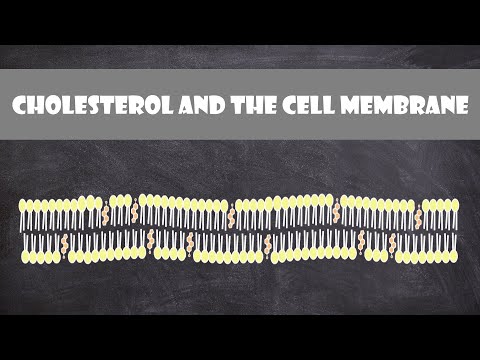
Hey there! Have you ever thought about cholesterol? I mean, that stuff gets a bad rap. You might picture it as the enemy of good health, right? But hold on! Cholesterol actually plays a super important role in your body.
So, here’s the deal: cholesterol is like a VIP member in the cellular world. It helps make up the membranes of your cells, keeping everything intact and functioning smoothly. Pretty cool, huh?
We often hear about cholesterol in terms of heart disease and diets. But there’s so much more going on under the surface. That’s what we’re diving into today—how cholesterol is essential for cellular innovation.
Let’s unpack this together. You might just be surprised at what you learn! Ready? Let’s go!
Understanding the Role of Cholesterol in Enhancing Cell Membrane Fluidity
Hey there! Let’s talk about something that might sound a bit complex but is super interesting: cholesterol. You probably know it mostly as that thing we hear about regarding heart health, right? But there’s more to cholesterol than just that!
So, what does cholesterol do? Well, it’s actually a vital part of your cells. Think of your cell membrane like a cozy house. The walls are made up of fats, and cholesterol is like the glue holding everything together. It helps keep the membrane fluid and flexible. This is important because if the membrane gets too stiff, the cells can’t function properly. And who wants cranky cells?
- Cell Membrane Structure: Cholesterol makes up a significant part of your cell membranes. It fits between the fatty layers.
- Fluidity: It helps maintain the right balance of fluidity and stiffness in those membranes.
- Cell Function: When membranes are just right in terms of flexibility, they can better transport nutrients and send signals between cells.
You know how sometimes your favorite old sweater feels comfy but loose? That’s kind of what cholesterol does for cell membranes—making them comfortably flexible! If you didn’t have enough cholesterol, those membranes would be too rigid, making it tough for cells to do their job. Imagine trying to get through a narrow door wearing a puffy coat; it wouldn’t be fun!
A little story for you: My friend Sam once had this weird muscle fatigue problem. After some back-and-forth with doctors (who really don’t have all day!), they found out he had low cholesterol levels affecting his cell function. Weirdly enough, just getting that balanced helped him feel much more like himself again! Isn’t it fascinating how something so tiny can have such a big impact?
So next time you hear about cholesterol, remember it’s not just about numbers—it plays an essential role in keeping our cells happy and healthy! Just keep in mind that if you ever have questions or concerns about your health or cholesterol levels specifically, chatting with a healthcare professional is always the best route.
You see? Cholesterol isn’t all bad news; it’s actually pretty cool when you think about it!
Understanding the Role of Cholesterol in Cell Membrane Structure and Function
So, cholesterol. It’s one of those words that kinda makes us raise an eyebrow, right? You hear it tossed around a lot in health talk, and honestly, the conversation can get a bit confusing. But here’s the deal: cholesterol isn’t just some bad guy lurking in your arteries. It actually plays a super important role in our cells.
First off, let’s talk about what cholesterol really is. It’s a type of fat, but your body needs it for so many crucial things. It helps create the cell membrane. That’s like the protective barrier around every single cell in your body!
Here are a few key things to know about cholesterol and cell membranes:
- Stability: Cholesterol adds stability to the membrane structure. Think of it like the glue holding everything together!
- Fluidity: It also helps maintain proper fluidity of the membrane. Picture having a dance party—some areas need to be more flexible for smooth moves, right?
- Signaling: Cholesterol is key in cell signaling too! Without it, cells might miss important messages they need to communicate effectively.
You know how you can turn up or down the volume on your music? Well, that’s kind of what cholesterol does for membranes—it helps adjust how “lively” or “calm” they are depending on what’s needed at that moment.
I still remember when my friend Laura had her first biology class. She was so confused about how something considered “bad” could actually be good for our body! After some chats over coffee and memes about cell biology (yep, we got nerdy), she finally got how essential cholesterol is in keeping everything functioning smoothly.
So next time someone mentions cholesterol, you can impress them with your knowledge! Just remember that while it’s super necessary for our cells’ health and function, balance is key—too much or too little can throw things outta whack.
And hey, always keep in mind that if you have concerns about your health or cholesterol levels specifically, chatting with a healthcare professional is always a smart move!
Understanding the Role of Cholesterol in Cell Membrane Structure and Function: A Level Biology Insights
Cholesterol, huh? This little molecule plays a big role in our cells, especially in the membranes that surround them. You might be thinking, “Isn’t cholesterol just bad for my heart?” Well, not exactly! While there are different types of cholesterol, the one hanging out in your cells is kinda crucial.
So, what does cholesterol do? First off, it helps maintain the structure of the cell membrane. Imagine the membrane as a flexible bubble that keeps everything inside. Cholesterol fits right between those fatty molecules called phospholipids. This arrangement adds **stability**, making sure the membrane doesn’t get too rigid or too fluid.
Here are some key points about cholesterol’s role:
- Fluidity: It prevents the membrane from being too stiff or too loose.
- Barrier: Cholesterol helps create a barrier that protects the cell from unwanted substances.
- Signaling: It’s involved in signaling pathways that allow cells to communicate with each other.
Let me tell you a little story: I once had a friend who was super worried about their diet due to all those “cholesterol is bad” messages out there. But after diving into this topic together, we discovered how important it is for our cells! It was like uncovering a secret ingredient in an old family recipe.
So yeah, while you definitely want to keep an eye on your overall cholesterol levels—because balance is key—remember that **cholesterol in cell membranes** plays a fantastic role! Just keep chatting with your doctor if you have questions or concerns; they’re your go-to person for health advice.
Understanding the Cell Membrane’s Critical Role in Maintaining Cellular Integrity
The cell membrane is like the little gatekeeper of your cells. Imagine it as a cozy wall surrounding a house. It keeps everything inside while also deciding what can come in and out. This is super important because the cell needs to keep its environment just right for all its functions.
Now, you might be wondering about cholesterol. It sounds like something we should avoid, right? Well, here’s the twist: cholesterol actually plays a key role in the cell membrane. It’s kind of like the secret ingredient in your favorite recipe! Cholesterol helps keep the membrane flexible and stable—without it, things could get pretty chaotic inside.
So what does this mean for you? Here are some key points:
- Structure: The cell membrane is made up of lipids (fats) and proteins. Think of them as building blocks bringing everything together.
- Barrier: It acts as a protective barrier, allowing nutrients in while keeping harmful substances out.
- Fluid Nature: The cholesterol keeps it fluid so that proteins can move around easily and do their jobs.
- Communication: Proteins on the surface act like antennas, helping cells communicate with each other. Just like texting your friends!
I remember once when I was learning this stuff back in school, my teacher showed us how soap bubbles worked—how they expand and contract but keep their shape. The cell membrane does something similar! It’s constantly interacting with its environment while maintaining its integrity.
In summary, understanding how the cell membrane works helps us appreciate just how intricate our bodies are. Just remember, while it’s fascinating stuff, if you’re ever worried about your health or have questions about your body, chatting with a healthcare professional is always a smart move!
Alright, let’s chat about something that might sound a bit technical but is actually super interesting: cholesterol and its role in our cells. So, you know how cell membranes are like the bouncers at a nightclub? They decide who gets in and who stays out. Well, cholesterol is like the cool DJ who keeps everything flowing smoothly.
I remember this time when I was trying to explain to my little niece why eating too much junk food could mess with our bodies. She made this funny face and said, “But Auntie, isn’t cholesterol just something in eggs?” I laughed because, yeah, that’s part of it, but it’s so much more! Cholesterol actually helps build up those cell membranes—it’s not just some villain lurking around.
Here’s the thing: our cell membranes are more than just barriers; they’re dynamic environments where all sorts of activities happen. Cholesterol adds fluidity and stability to these membranes. It helps them stay flexible—think of it as making sure the dance floor isn’t too rigid so everyone can groove without tripping over one another. And you know what? If the membrane’s too stiff or too loose, it messes with how cells communicate and function.
Of course, not all cholesterol is created equal. There’s “good” HDL (high-density lipoprotein) which can be protective for your heart, and “bad” LDL (low-density lipoprotein) that can lead to health issues when there’s too much hanging around. It’s all about balance—a word we hear a lot in health discussions. Too much of the bad stuff can create problems with those cell membranes we talked about earlier.
So next time you hear someone mention cholesterol, think about how it’s not just something to avoid at breakfast but also an essential player in keeping ourselves ticking properly! It’s wild how tiny molecules can have such a big impact on our health. Just goes to show that sometimes what seems simple is actually pretty complex—you know? And that connection between what we eat and how our bodies function? That’s where it gets real fascinating!
