

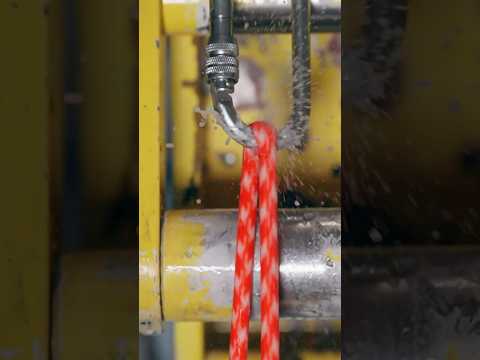
Hey there! Have you ever found yourself staring up at a rock face, heart racing, and wondering if your climbing gear is really up for the challenge? Yeah, me too.
Climbing’s exhilarating but, let’s be real, it can also be a bit nerve-wracking. That’s where those trusty climbing ropes come into play! They’re not just some boring piece of gear; they can totally change the game.
Picture this: you’re on a cliff, wind in your hair, and you feel super confident because you know your rope is top-notch. It’s all about safety and performance, right?
So let’s dive into how cutting-edge climbing ropes can elevate your adventures. Seriously, it’s time to level up your climbing game!
Comparing 60m vs. 70m Climbing Ropes: Which Length is Right for You?
When it comes to climbing, choosing the right rope is super important. You might be wondering if you should go for a 60m or a 70m climbing rope—this can really affect your adventure in the great outdoors! Let’s break it down so you can make an informed decision.
First off, let’s chat about length. A 60m rope is pretty standard for many climbers. It’s long enough for most single-pitch climbs and some multi-pitch routes. If you’re planning to tackle shorter routes or sport climbing at your local crag, this might be the perfect fit for you.
On the flip side, a 70m rope gives you that extra bit of length which can be a game changer! It allows for more versatile climbing options like reaching anchors on longer routes or dealing with tricky terrain where you want more slack. Seriously, imagine being able to tackle those sweet multi-pitch climbs without worrying about running out of rope—sounds good, right?
Now let’s think about weight. A 70m rope typically weighs a bit more than a 60m one. If you’re hiking long distances to reach your climbing spot or just want to keep your pack light, that 60m could save your back in the long run. But if you’re focused on tackling those ambitious climbs, carrying that extra weight might be worth it.
There’s also the issue of cost. Generally speaking, longer ropes tend to be pricier. If you’re on a tight budget, weigh how often you’re going to need that extra length versus what you can afford right now.
Lastly, it’s all about your plans. Are you into casual weekend climbs with friends? A 60m might do the trick just fine. But if you’re dreaming of scaling larger walls and taking on challenging routes regularly, investing in a 70m could elevate your game!
Think about what you need and what kind of adventures await! Whichever length speaks to your climbing style the most will probably suit you best. Happy climbing!
Understanding Roped Climbing: Techniques and Terminology Explained
Climbing is such an exhilarating sport, and if you’ve ever watched climbers scale rock faces, it’s like they’re dancing with gravity. But to really get into it, you gotta understand a bit about **roped climbing**. So, let’s break it down!
First off, when we talk about **roped climbing**, we mean using a rope for safety while climbing. This adds a layer of security that makes the whole experience way more enjoyable. You might be thinking, “What’s the big deal about ropes?” Well, without them, falling would be… let’s just say not ideal.
Now let’s dive into some key terms and techniques:
- Belaying: This is the technique used by your partner (the belayer) to manage the rope. They pull in slack as you climb and catch you if you fall.
- Lead Climbing: In this style, climbers ascend while placing protection (gear) along the route. It’s like a treasure hunt but slightly nerve-wracking!
- Top-Roping: This is when the rope is anchored at the top of the climb. You climb up with the rope protecting you from above—it feels super secure!
- Crash Pads: Not all climbs are roped! For bouldering (short climbs), these pads protect you from falls onto hard ground.
I remember when I first tried lead climbing—my heart was racing! The thrill of reaching new heights while trusting my partner was something else! It reminds us how important team dynamics are in climbing.
Now about those ropes: modern climbing ropes are designed to absorb shock if you fall and are made from strong materials that resist wear and tear. It’s wild how far technology has come; these ropes can handle massive weight without breaking.
So remember, whether you’re belaying your friend or scaling a wall yourself, understanding these basic techniques can totally elevate your climbing experience. Just keep it fun and safe out there! And always check your gear before getting started—safety first, right?
Is It Safe to Cut Climbing Rope? Exploring Risks and Best Practices
Cutting climbing rope is a topic that has got many people in the climbing community talking. So, is it safe? Well, it really depends on why and how you’re cutting it. Let’s break it down!
First off, let’s chat about why you might want to cut your rope. Maybe it’s getting old and frayed, or perhaps you’re looking to create shorter lengths for different types of climbs. It’s super important to know that **cutting climbing rope can affect its strength**. Ropes are designed to handle specific weights and forces. When you cut one, you could be reducing its effectiveness.
Now, here are some points to keep in mind:
- Rope Type Matters: Different ropes have different characteristics. Dynamic ropes stretch under load, while static ropes don’t. Know what you have before cutting!
- Inspect Before Cutting: Always check for damage or wear before you decide to take out the scissors.
- Use Proper Techniques: If you’re set on cutting your rope, make sure to use a burner or heat source to seal the ends after cutting to prevent fraying.
- Avoid Cutting Too Short: Leaving yourself enough length for safe use is key! You don’t want to end up with too little for your next climb.
- No Reversal: Once you cut it, there’s no going back! That length is gone forever.
I remember when my buddy Jake decided he wanted a shorter rope for sport climbing. He thought he would just snip away like a pro—big mistake! He ended up with a length that was way too short for some routes we were planning on hitting up later. Lesson learned: think ahead!
To sum up—cutting climbing rope isn’t something you should take lightly. Always weigh the pros and cons, and consider discussing it with experienced climbers or professionals if you’re unsure what to do.
And hey, this doesn’t replace actual advice from experts in climbing gear or safety practices! Just keep these points in mind next time someone says they want to get crafty with their climbing rope!
Rope Climbing vs. Bouldering: A Safety Comparison for Climbers
When you think about climbing, you’ve probably heard of two big styles: bouldering and rope climbing. They both have their own thrills and risks, but hey—let’s chat about safety, shall we?
Bouldering is all about short climbs without ropes. You know, this is where climbers tackle walls that are usually under 20 feet. The cool thing? You get to rely on crash pads at the base to cushion your falls. But here’s the catch—you really need to focus on your technique because falling wrong can lead to injuries. Imagine falling and landing awkwardly; that’s not fun!
On the flip side, with rope climbing, you’re scaling higher walls (think 30 feet or more!) using harnesses and ropes for safety. This style feels safer because you’re less likely to smack into the ground if you slip. You just gotta make sure those knots are tied tight! Plus, it’s super important to check your gear regularly.
Here’s a quick comparison:
- Bouldering: Short climbs, crash pads for falls.
- Rope Climbing: Tall climbs with harnesses, ropes prevent big drops.
I remember a friend of mine who decided to try bouldering for the first time. She made it up a few feet but then lost her grip and landed right on the pad—thank goodness she was okay! It taught us all how crucial it is to learn proper falling techniques.
While both styles can lead to accidents if you’re not careful (like twisted ankles or maybe some bruises), bouldering generally has more risk from falls since you’re closer to the ground but still unprotected. Rope climbing allows for more security if you’re worried about altitude.
So whether you lean towards bouldering’s raw challenge or rope climbing’s height thrill, just remember: always prioritize safety first! Your adventures should be fun—not a trip to the ER! And hey, before diving in headfirst, do consider getting some guidance from someone experienced in either style!
So, you know that feeling when you’re standing at the base of a massive rock face, heart racing, adrenaline pumping? I mean, it’s almost like you can feel the cliff calling your name. Well, for me, that thrill is one of the best parts of climbing. I remember my first big climb—my hands were clammy, and I could barely tie my knots right. But in the end, reaching the top felt like conquering a mountain (literally!).
But here’s the thing: as cool as the adventure is, climbing safely is super important. That’s where those cutting-edge climbing ropes come in. If you’re not familiar with this stuff, let me break it down a bit. Modern climbing ropes are way more advanced than what people used even just a few years ago. They’re lighter, stronger, and often have this awesome elasticity that helps absorb shocks if you fall (and trust me, falls happen!).
Imagine swinging through the air after missing a grip—yikes! Having a good rope can totally make a difference in how safe (and comfortable) your climb feels. Plus, many of these ropes come with cool features like anti-abrasion coatings to withstand rough rock surfaces.
And let’s not forget about the colors! You might think it’s just for looks but bright colors help to see your rope better in low light or when it gets dusty on those wild climbs. And who doesn’t love something that looks great while keeping you safe?
Anyway, so next time you’re gearing up for an adventure up that rocky terrain or scaling cliffs with friends, remember: investing in quality equipment like those modern ropes can elevate your whole experience. It’s not just about reaching the top; it’s about enjoying every moment of that journey (and making sure you get there safely). Happy climbing!
