

Hey there! Have you ever felt super tired, even after a solid night’s sleep? Or maybe you’ve noticed your mood isn’t what it used to be? Well, let me tell you something—cobalamin, also known as vitamin B12, might be your new best friend!
Seriously, this little vitamin does some big things for your health. It helps keep your energy levels up and supports brain function. How cool is that? But here’s the thing: not everyone gets enough of it in their diet.
So why not dive into some fresh ways to boost your health with cobalamin solutions that are totally cutting-edge? Trust me; you’ll want to stick around for this chat! Your body will thank you later!
Best Vitamin B12 Options for a Healthy Pregnancy: A Comprehensive Guide
Pregnancy is such a beautiful journey, isn’t it? But with all the excitement, there’s a lot to consider, especially when it comes to nutrition. One essential nutrient you might have heard about is Vitamin B12. It plays a key role in your health and your little one’s development. So, let’s break down what you need to know about B12 during pregnancy.
First off, what is Vitamin B12? It’s a water-soluble vitamin that helps keep your blood cells and nerves healthy. You can find it in animal products like meat, eggs, and dairy. But if you’re not getting enough from your diet, or if you follow a plant-based lifestyle, you might want to look into some supplements.
Now, let’s talk about the best options for getting that Vitamin B12 boost:
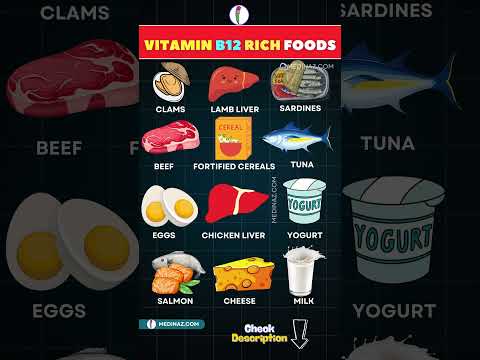
- Food Sources: Regularly include foods rich in B12 like fish (tuna or salmon), poultry (chicken or turkey), and dairy products (milk or yogurt) in your meals.
- Fortified Foods: Many plant milks and breakfast cereals are fortified with B12. This means they have extra nutrients added that aren’t naturally found in those foods.
- Supplements: There are several types of vitamin B12 supplements available, including tablets, sprays, and injections. If you’re considering these options, it’s always a good idea to chat with your healthcare provider first.
- Methylcobalamin vs Cyanocobalamin: These are different forms of B12 supplements. Methylcobalamin is often considered more readily used by the body. Do some research on which might work best for you!
It’s important to keep an eye on your levels because low B12 can lead to fatigue or even complications during pregnancy. Your doctor can do a simple blood test to check if you’re hitting those optimal levels.
A friend of mine had her first baby recently and really struggled with fatigue during her pregnancy. After talking with her doctor, she discovered her B12 was low! Once she started making tweaks to her diet and added some quality supplements at her doctor’s advice, she felt way better—like 100% more energetic! Seriously.
So remember: having adequate Vitamin B12 is super important for both you and your growing baby during this incredible time. Keeping things balanced in your diet should do the trick but don’t hesitate to reach out for professional guidance whenever you’re unsure about what’s best for you!
Stay healthy and take care!
Natural Ways to Enhance B12 Absorption for Optimal Health
So, you’re curious about B12, huh? It’s like the superhero vitamin for your body! Seriously, it helps with energy, keeps your nerves healthy, and even contributes to making red blood cells. But here’s the kicker: if you want to really crank up that B12 absorption, there are some natural ways you can do it.
First off, let’s talk about food. You might already know that B12 is mostly found in animal products. Here are some goodies to consider:
- Meats: Think beef, liver (if you’re feeling adventurous), and chicken.
- Fish: Salmon and tuna are not just tasty; they pack a B12 punch.
- Dairy: Yogurt and cheese are great options too!
- Eggs: Don’t forget those little protein bombs.
Now, if you’re vegetarian or vegan, no worries! There are fortified foods out there—like cereals and plant-based milk—that have added B12. Just keep an eye on the labels!
Another thing to remember is digestion. If your tummy isn’t happy or has issues absorbing nutrients, your body might struggle with B12 too. Stress can affect digestion in a big way! I remember a buddy of mine who was always stressed about work; he started taking some time for himself each day—yoga, walks in the park—and guess what? His digestion improved along with his nutrient absorption!
And hey, did you know certain foods can help enhance absorption? Adding fermented foods like yogurt or sauerkraut could be a game-changer since they help maintain gut health. Think of your gut as a garden; if it’s thriving, everything gets better!
Don’t forget hydration! Staying well-hydrated helps everything function smoothly—including absorption of nutrients.
Lastly, if you’re thinking about supplements because maybe you’re low on B12 or struggling to get enough from food alone, just chat with a healthcare professional first—they know best!
So remember—eating right combined with good habits is key for getting all those benefits from good ol’ vitamin B12! Keep it natural and let your body thrive!
Top Foods High in Vitamin B12: Boost Your Nutrient Intake Naturally
So, let’s dive into the world of Vitamin B12, shall we? This little gem is super important for your body. It helps keep your nerves and blood cells healthy and even plays a role in making DNA. Sounds fancy, right? Well, it’s actually something you can easily get from your food.
Vitamin B12 is mostly found in animal products, which means if you’re munching on those, you’re likely getting a good dose. But even if you’re not a meat-lover, there are options for you too!
Here are some of the best foods that pack a punch with Vitamin B12:
- Meats: Think beef and liver. Seriously, liver has like more B12 than you could imagine!
- Fish: Salmon and trout are not just delicious; they are loaded with this vitamin.
- Dairy Products: Milk, yogurt, and cheese are not just for breakfast; they also help boost your intake.
- Eggs: They can be scrambled or poached; either way, they give you some solid B12.
- Cereals: Some cereals are fortified with B12. Just check the label next time you’re shopping.
Growing up, I remember my grandmother always saying to eat my eggs because they were “good for the brain.” Later on in life, I realized she was onto something! Eggs are an easy way to sneak more of this vitamin into your diet.
And if you’re someone who skips animal products? No worries! There’s stuff like fortified plant-based milks or nutritional yeast that can step in and help out.
Now remember though—while it’s great to know about these foods, if you’re thinking about making any big changes to your diet or have concerns about your Vitamin B12 levels, it’s a good idea to chat with a healthcare professional. Take care of yourself out there!
Essential Guide to Selecting the Best Vitamin B12 Supplement for Your Needs
So, you’ve been hearing a lot about vitamin B12 lately, huh? It’s this funky little vitamin that plays a big role in keeping your body running smoothly. But if you’re thinking of jumping on the B12 supplement train, it’s super important to choose the right one for you.
Now, let’s break down what you need to know about B12 and how to pick a supplement that fits your needs.
What is Vitamin B12?
Vitamin B12, also known as cobalamin, is key for making red blood cells and keeping your nervous system healthy. You get it mainly from animal products like meat, eggs, and dairy. But if you’re vegetarian or vegan—or just not getting enough—then supplements can be really helpful.
Forms of Vitamin B12
Not all B12 supplements are created equal! There are several forms available, including:
So depending on your preferences or dietary restrictions, one might suit you better than another.
Doses: How Much Do You Need?
The typical recommended daily amount for adults is around 2.4 micrograms—but some folks might need more. If you’re over 50 or have certain health conditions, it’s a good idea to chat with someone who knows their stuff (like a healthcare professional) about dosage.
How to Take Your Supplement
You can find B12 in various forms like tablets, capsules, gummies (yum!), and even under-the-tongue sprays. Have you ever tried those? They’re surprisingly easy and fun! The important thing here is consistency; try to take it at the same time every day so your body gets used to it.
Watch Out for Additives
When choosing a supplement—always check the label! Some brands add all sorts of fillers or artificial colors that can be less than great for you. Go for clean options when possible!
And guess what? The price doesn’t always mean better quality. Some affordable brands do an excellent job without breaking the bank.
Anecdote Time
I remember my friend Sarah going vegan last year. She felt super tired and couldn’t figure out why until she discovered she was low on B12! When she added a methylcobalamin supplement into her routine—a gummy one, by the way—she got her energy back in no time!
The Bottom Line
Selecting the right vitamin B12 supplement doesn’t have to be rocket science. Just think about what suits your lifestyle best and always pay attention to how your body feels after taking it! And remember: this info isn’t meant as medical advice but simply guidance to help you navigate through all those supplement choices out there!
Stay healthy and keep exploring what works best for you!
You ever feel like you just need a little extra something to carry you through the day? I mean, we all have those moments when we’re dragging, right? Well, that’s when I started to take a deeper dive into vitamin B12, also known as cobalamin. It’s one of those nutrients that can do wonders for your energy levels, mood, and overall wellbeing.
So here’s a little story for ya. A while back, my friend Sarah was always tired. I mean like hit-the-couch-at-7-pm tired. She tried everything—more sleep, less caffeine—you name it. After some poking around on her own (thank goodness she’s not one to shy away from research), she learned about B12. Turns out her diet wasn’t giving her enough of it because she wasn’t eating many animal products. Once she started incorporating some B12-rich foods or even supplements into her routine? Wow! It was like someone flipped a switch. She had this energy boost that made her feel alive again.
Now, if you’re wondering what B12 is all about: it’s important for making red blood cells and keeping your nervous system in check. Think of it as a little helper running around inside your body making sure everything functions smoothly. You can find it in things like meat, fish, eggs, and dairy products—or if you’re not into those foods, there are plenty of supplements out there too.
Lately, some new forms of getting that sweet cobalamin have popped up—like sublingual tablets or even nasal sprays. The idea is they help get the vitamin into your system faster since they bypass the digestive process. Pretty neat, huh? But remember: just because something’s new doesn’t always mean it’s better for everyone.
Feeling sluggish isn’t fun at all; and trust me when I say getting your B12 levels checked can be an eye-opener if you’re feeling off. Just think about how little tweaks to your routine could make such a difference! Of course, chatting with a healthcare professional is always smart before diving headfirst into any new supplement plan.
In the end though? Whether you’re munching on some steak or popping a supplement under your tongue while rushing out the door… knowing how to keep yourself healthy with something like B12 feels empowering! So go ahead, boost that health of yours—you deserve it!
