

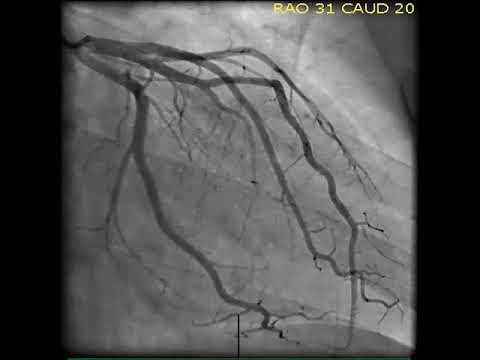
Hey there! So, let’s dive into something really important today—heart health. You know, it’s easy to take our hearts for granted. But, guess what? There’s a powerful tool out there that can help us understand what’s going on inside our chests: coronary angiograms!
You might be thinking, “What the heck is that?” Well, it’s like a super-charged selfie for your arteries! Seriously. It lets doctors peek inside and see if everything is in tip-top shape or if something needs attention.
Imagine being at your annual check-up, and your doc suddenly mentions this fancy test. At first, you might feel a little nervous. I mean, who wouldn’t? But once you understand how it works and why it matters, it starts to make sense.
So stick around! We’re about to explore how this simple procedure can change the game for heart health. You won’t want to miss it!
Understanding the Disadvantages of Coronary Angiogram: Risks and Considerations
So, you’ve probably heard a lot about coronary angiograms lately, right? They’re often touted as revolutionary for heart health. But let’s chat about the other side of the coin—some of the disadvantages and risks that come with this procedure.
A coronary angiogram is a fancy name for a test that looks at your heart’s blood vessels. It helps doctors see if everything’s flowing smoothly or if there are blockages. Sounds helpful, but guess what? There are some things to keep in mind.
- Risk of Allergic Reactions: The dye used during the test can sometimes cause allergic reactions. It’s like that moment when you realize you’re allergic to peanuts after demolishing a peanut butter sandwich!
- Radiation Exposure: Yeah, there’s radiation involved. Even though it’s a small amount, it still makes you go “hmm.” Too much exposure over time isn’t great for anyone.
- Infection Risk: Anytime they poke around in your body, there’s a chance of infection. It can be low-risk for most people, but still something to consider.
- Discomfort and Complications: You might feel some discomfort during the procedure or have complications afterward like bleeding at the insertion site or even arrhythmias (that’s when your heart skips a beat…literally).
- Cost Considerations: Angiograms aren’t cheap! Insurance may not cover all the costs, and that can hit hard on your wallet.
I once had a friend who went through this procedure. She was totally nervous about it! Afterward, she felt relieved but also worried about all those risks we talked about together. It was definitely an eye-opener when she realized how many factors come into play.
The thing is, while angiograms can provide crucial info about heart health, understanding these disadvantages is key before deciding anything. Always chat with your healthcare providers—they’re there to help you navigate this stuff! Remember, what works for one person might not work for another!
So yeah, weigh those risks and benefits before jumping in headfirst!
Understanding the Success Rate of Coronary Angiograms: Key Insights and Statistics
So, coronary angiograms, huh? They sound super technical, but they’re really just a way for doctors to take a good look at your heart and the blood vessels around it. You know when you see those cool images of the heart in movies? That’s kinda what they do!
To get into it a bit, these procedures help identify any blockages or issues in your coronary arteries. They use dye and special X-ray technology to create real-time images. Sounds fancy, right? But seriously, this helps doctors figure out what’s going on with your heart.
Now, about **success rates**—that’s the interesting part! Generally speaking, coronary angiograms have a high success rate when it comes to giving clear results. Most experts say that over **90%** of these tests provide useful information. But of course, success can depend on many factors like a person’s age or overall health.
Here are some key insights:
- Accuracy: The procedure is typically very accurate in diagnosing heart diseases.
- Risks: While generally safe, there are risks involved—like bleeding or allergic reactions to the dye.
- Follow-up: Depending on the findings of an angiogram, some patients might need further treatment.
And let me share something personal here. A friend of mine had to get one of these done because he was always feeling tired and out of breath. It was nerve-wracking for him at first! But once he got the results back—turns out nothing major was wrong—it was such a relief! He felt like he could finally breathe again.
Anyway, the thing is: while coronary angiograms can be super helpful and have great success rates in revealing heart health issues, remember that they’re just part of the bigger picture when it comes to caring for your heart. Always chat with healthcare professionals about what’s best for you!
Understanding the Risks of Death Associated with Angiograms: What You Need to Know
Let’s dive into the world of angiograms, shall we? You might have heard about them, especially when it comes to heart health. They can be super important for figuring out what’s going on with your blood vessels. But, like everything else, there are some risks involved, including the rare chance of serious complications.
An angiogram is basically a special X-ray that uses a dye to see inside your arteries and veins. It helps doctors spot blockages or other issues in your heart. It sounds pretty handy, right? But it’s not just a walk in the park. Here are some things you should keep in mind:
- Allergic reactions: Some people might react to the dye used during the procedure. This could range from mild itchiness to more serious issues.
- Blood vessel damage: There’s a tiny risk that during the process, the catheter could damage your blood vessels. Ouch!
- Kidney problems: For folks with pre-existing kidney issues, the dye can sometimes lead to further complications.
- Infection: Any time you’re dealing with medical procedures, there’s a slight chance of infection at the entry site.
- Heart complications: Although rare, there could be risks for heart rhythm problems or even heart attacks during or after an angiogram.
If you’re feeling anxious about these risks, you’re not alone! A close friend of mine had an angiogram last year. She was nervous about all these potential side effects but found relief in discussing her concerns with her doctor. It helped her understand what was happening at each step of the process and made her feel way more comfortable.
The thing is, while an angiogram does come with risks—just like every other procedure out there—the benefits often outweigh them when it comes to diagnosing and treating heart issues effectively. But remember, this info doesn’t replace professional healthcare advice! So if you’ve got questions or worries about an upcoming procedure, make sure you chat it over with your healthcare provider.
Understanding the Top 3 Risks Associated with Angiograms: What You Need to Know
So, you’re curious about angiograms? You’re not alone! They’re a big deal in the heart health world. But like all procedures, they come with some risks. Let’s break down the top three things you should know.
1. Allergic Reactions:
Some folks might react to the contrast dye used during the angiogram. This stuff helps doctors see your blood vessels super clearly. While most people are fine, there’s always a chance of an allergic reaction. You might feel a little warm or flushed, and in rare cases, it can be more serious.
2. Bleeding or Bruising:
After the procedure, it’s common to have some bruising at the entry point where they inserted that tiny catheter. But sometimes, there might be bleeding under the skin too. It sounds intense, but hey, it usually resolves on its own pretty quickly!
3. Blood Vessel Damage:
This one’s pretty rare but worth mentioning. During the angiogram, there’s a chance of damaging blood vessels or causing blockages as they navigate through your body. Your doctor will take every precaution possible to avoid this happening though!
A few years back, my friend had an angiogram because her doctor was checking for blockages. She was nervous about those risks but felt way better knowing what could happen—she even joked about feeling like a superhero with all those high-tech machines around! In the end, she breezed through it with minimal side effects.
The thing is, while these risks exist, they don’t happen to everyone—and many people get life-saving information from these tests without issues! Always chat with a healthcare professional about any concerns you might have; they’re there to help!
You know, heart health is such a biggie these days, right? It’s like we can’t escape the chatter about it. Just the other day, I was chatting with a friend who was super stressed about her dad’s heart condition. He was going through some tests and one of them was a coronary angiogram. It got me thinking about how much this little test can change lives.
So, let’s break it down. A coronary angiogram is basically like taking a sneak peek inside your heart’s arteries. The doctors use some fancy tech—injecting a dye and snapping pictures—to see if there are any blockages or issues. This may sound intimidating, but honestly? It’s pretty incredible what they can see in those images!
I remember hearing about someone who went through this procedure after feeling some tightness in their chest. They were totally freaked out—who wouldn’t be? But guess what? The angiogram revealed a blockage that doctors could treat right away. Talk about life-saver! That moment really highlighted for me just how crucial these tests can be.
Now, it’s not just about diagnosing problems; it’s also about prevention! Imagine knowing you have risk factors and being able to get ahead of potential issues before they become real problems. It’s empowering! I mean, who doesn’t want to feel in control of their health?
But hey, don’t take my word for it as medical advice or anything—everyone’s journey with heart health is different. It just gets you thinking: with all this tech at our fingertips now, we’re really revolutionizing how we approach our hearts.
So next time someone brings up coronary angiograms or heart health, maybe share a story or two? These conversations matter more than we think—they highlight the importance of being aware and proactive about our well-being. And seriously, isn’t that what life is all about?
