

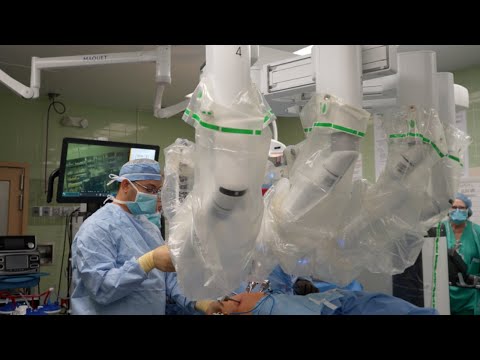
Hey there! Have you ever watched a sci-fi movie and thought, “Wow, that looks super cool but totally fake?” Well, guess what? Robotic surgery is here, and it’s like something straight out of a futuristic flick.
So, what’s the deal with Da Vinci Robotic Surgery? Imagine having an operation where tiny robots do all the hard work. Sounds wild, right? These little guys help doctors perform precise surgery with amazing accuracy.
It’s like having a smart sidekick who never gets tired or distracted. You know how important that is when it comes to your health! Let’s dive into this fascinating world where precision meets innovation and see how it’s changing the game for patients everywhere. Trust me; you’re gonna want to stick around for this!
Evaluating the Precision of the Da Vinci Surgical System: Key Insights and Benefits
Hey there! So, let’s chat about something pretty cool—the Da Vinci Surgical System. You might have heard of it; it’s this fancy robotic thing that helps surgeons do their magic with a lot of precision. So, what’s the deal with its accuracy, and why does it even matter? Let’s dive in!
The Da Vinci system is all about precision. It uses tiny instruments controlled by a surgeon sitting at a console. Imagine playing a video game where you’re trying to hit all the right buttons while making everything super smooth. That’s what these surgeons are doing! They can operate on delicate areas like the heart or prostate using very small incisions instead of big cuts.
Now, one key thing about this system is its 3D visualization. It gives surgeons an incredibly detailed view of what they’re working on. Think about how much easier it is to see what you’re doing when you have high-quality graphics in a game, right? This technology helps them spot things they might miss with just the naked eye.
Another great benefit is that less cutting means faster recovery for patients. With smaller incisions, there’s usually less bleeding, less pain, and quicker healing time. It’s like getting back into your groove without missing too many beats!
Also, let me throw in some interesting points:
- The robotic arms can move in ways that human hands can’t!
- Surgeons often find it easier to perform complex procedures.
- This tech has been used successfully in various fields—urology, gynecology—you name it.
But here’s something to keep in mind: this doesn’t replace good old-fashioned care from doctors. At the end of the day, it’s just a tool to help them do their job better.
So next time you hear about robotics in surgery, you’ll know it’s not just sci-fi stuff! It’s real and helping countless people every day—making surgery more precise and recovery smoother. Cool stuff, huh?
Enhancing Surgical Precision: The Impact of Robotics on Surgical Outcomes
Robots in surgery? Seriously, it sounds like something out of a sci-fi movie, right? But we’re living in the future now! The Da Vinci Surgical System is one of the coolest innovations in surgery today. It’s all about enhancing precision and helping surgeons perform their magic with more control than ever.
So how does it work? Well, imagine using a video game controller but for surgery. Surgeons sit at a console and use these fancy controls to guide robotic arms during procedures. This means they can make tiny, precise movements that are way harder to do with just their hands. And guess what? This kind of precision often translates to better outcomes for patients.
Here are some key points about how robotics impacts surgical outcomes:
- Less Invasive: Robots can operate through smaller incisions compared to traditional surgery.
- Less Pain: Smaller cuts usually mean less pain afterward—yay!
- Quick Recovery: Patients often bounce back faster and can get back to their lives sooner.
- Better Visualization: The 3D high-definition view helps surgeons see what they’re doing more clearly.
I remember when my buddy had a hernia operation done with the Da Vinci robot, and he couldn’t stop raving about how quick his recovery was. He was up and moving in no time! Pretty cool, huh?
Of course, it’s important to note that while robotics can enhance surgical precision, it’s not a replacement for skilled surgeons. They still need years of training and experience to use this tech effectively.
Overall, perhaps the most exciting part is how these advancements are continuously evolving. With each new development, we’re getting closer to even better surgical outcomes that could change lives for good. Just imagine where we’ll be in another decade! So if you’re ever having surgery, ask your healthcare provider if robotics could be an option for you—but remember, always consult your doctor for personalized advice!
Exploring High-Precision Surgical Techniques: Which Procedures Deliver the Best Results?
So, let’s dive into the world of high-precision surgical techniques, shall we? You might have heard about the da Vinci robotic surgery. It’s a pretty cool advancement that many doctors use nowadays. The thing is, it’s all about making surgery safer and more effective for patients. Seriously, who wouldn’t want that?
With this robotic system, surgeons can perform complex procedures with super precise movements. Imagine using a controller for a video game, but instead of shooting aliens, you’re helping people get better! The robot basically acts like an extra set of steady hands. But remember, even though it sounds futuristic, human expertise is still at the heart of it all.
Now let me give you a bit of insight into some procedures that are getting amazing results thanks to this technology:
- Prostate Surgery: This is often used for removing prostate cancer with less blood loss and quicker recovery times.
- Hysterectomy: Women undergoing hysterectomies can benefit from smaller incisions and less pain afterwards.
- Heart Surgery: It helps repair heart valves while minimizing trauma to the body.
It’s like having your cake and eating it too; patients get to recover faster without compromising on quality.
You know what? I once talked to a friend who had da Vinci surgery for her endometriosis. She was amazed at how quickly she bounced back. Just days after the operation, she was up and about – something her doctor couldn’t believe either!
Overall, high-precision surgical techniques, like those with da Vinci robots, are changing the game in healthcare. They promise better outcomes with fewer complications. But here’s the catch: always chat with your healthcare provider if you think these options might be right for you. They’ll give you insights tailored just for your situation!
Da Vinci 5 Robot Price: Comprehensive Guide and Cost Analysis
The Da Vinci Surgical System is like something out of a sci-fi movie, right? It’s all about bringing precision to surgery, making procedures less invasive and recovery a bit easier for patients. But let’s get to the nitty-gritty—how much does this fancy piece of machinery actually cost?
When we’re talking about the price of the Da Vinci Robot, it’s kind of a big deal. The cost for one unit can range anywhere from $1.5 million to $2.5 million. Yep, you read that right! That’s just the base price, and surgeons or hospitals usually need more than just the robot itself.
Here are some additional costs you might wanna keep in mind:
- Maintenance: Keeping this bad boy running doesn’t come cheap. Regular maintenance can set a hospital back another $100,000 annually.
- Surgical Instruments: Each time it’s used, new instruments need replacing. This could add around $1,500 per procedure.
- Training Costs: Surgeons need training to use the robot effectively. This might run into thousands of dollars too.
The catch is that even though it sounds pricey upfront, some studies suggest robotic surgeries can reduce overall healthcare costs by minimizing hospital stays and complications. Less time in recovery means savings for both hospitals and patients.
Imagine someone close to you needing surgery—think about how much stress it adds when you worry about invasiveness and healing times! The Da Vinci system might just help ease those concerns while delivering accurate results.
So yeah, investing in robotics in healthcare is no small feat financially but emphasizes how technology is really changing the game in medicine. Just remember: whatever decisions are made regarding health should always involve consulting with professionals who know their stuff!
I was chatting recently with a friend who just had surgery using the Da Vinci robotic system. You know, it’s wild how much tech has advanced in healthcare! I mean, back in the day, surgeries were pretty intense—long incisions, lots of recovery time. Now, with this fancy robotic surgery, you get precision like never before.
So, my friend explained it to me. Basically, the Da Vinci system allows surgeons to operate through tiny incisions using robotic arms that are controlled from a console. It’s like they’re playing a video game, but with real-life stakes. The camera gives them a 3D view of everything happening inside the body. Imagine performing delicate maneuvers with superhuman precision! It’s pretty amazing.
And the best part? It totally minimizes recovery time! My friend was up and about way quicker than anyone expected. It really made me think about how innovation can lead to better outcomes in such a human experience as surgery.
Of course, it’s not all sunshine and rainbows. There are still risks involved and it isn’t for everyone. But seeing how this tech can change lives is just so inspiring! Seriously, sometimes I wonder what the future holds for healthcare as technology continues to evolve.
Anyway, while we’re still figuring things out and innovation keeps moving forward, it’s super exciting to see how these advancements can lead to better patient experiences and outcomes. What do you think? Would you feel confident having such a high-tech surgery?
