

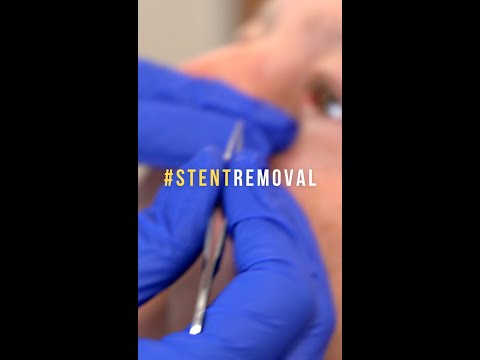
Hey there! So, ever had that annoying moment when your eyes just won’t stop watering? Yeah, it’s like a never-ending waterfall.
Well, there’s actually a cool procedure to tackle this called dacryocystorhinostomy — I know, it sounds fancy and all. But stick with me here!
Picture this: it’s all about fixing those pesky tear ducts when they decide to go on strike. You know, the ones that should drain tears but for some reason just don’t?
This treatment can make a huge difference for people stuck in that watery-eyed struggle. Seriously, it’s pretty revolutionary! Let’s dive into what it’s all about and why it matters.
Exploring Innovative Treatments for Blocked Tear Ducts: A Comprehensive Overview
Blocked tear ducts can be such a nuisance, right? You’re going about your day, and suddenly, it feels like you’re crying for no reason. The thing is, tear ducts are super important—they help drain tears from your eyes into your nose. When these ducts get blocked, tears can’t flow properly, making everything kinda frustrating.
So, what’s the deal with treating blocked tear ducts? Well, there’s this procedure called dacryocystorhinostomy. It’s a bit of a mouthful, I know! This surgery aims to create a new pathway for tears to drain when the regular one is messed up. It’s sort of like finding a shortcut through traffic!
Here are some key points about dacryocystorhinostomy:
- What it does: The surgery connects the tear sac directly to the inside of your nose.
- How it works: A surgeon makes a small incision near your eye and creates an opening into your nose. Sounds intense, but it helps those tears find their way back home!
- Who it helps: It’s usually considered for adults or older kids who have chronic issues with blocked ducts.
- The outcome: Many people report less tearing or even relief from other annoying symptoms after the procedure.
I remember hearing about someone who went through this. She’d lived with constant tearing for years; nothing seemed to work until she had this surgery. Fast forward a few months later—she was practically swimming in happy tears! Not because she was sad, but because she finally felt normal again.
This treatment isn’t just “one size fits all,” so chatting with a healthcare professional is really important before making any decisions. They’ll know what’s best for you personally since every case is unique.
Alright, so while dacryocystorhinostomy sounds pretty fancy and can be effective for many people dealing with blocked tear ducts, remember that every situation needs personal attention. So keep that in mind if you or someone you know is dealing with this issue! And hey—take care of those peepers!
Understanding Dacryocystorhinostomy: Is It Considered Major Surgery?
So, let’s chat about dacryocystorhinostomy. Sounds fancy, right? It’s a type of surgery that helps with tear duct problems. If your tear ducts are blocked, it can lead to watery eyes or infections. This is where this surgery steps in!
Now, you might be wondering if it’s considered major surgery. The answer? Well, it kinda depends on who you ask. Generally, dacryocystorhinostomy is seen as a minor to moderate procedure. It’s done under local anesthesia, meaning you’re awake but won’t feel a thing in the area being worked on.
Here’s how it usually goes:
- Small incision: A small cut is made near your nose and often isn’t very noticeable.
- Creating a new passage: The surgeon creates a new pathway for tears to drain properly.
- Quick recovery: Most people go home the same day!
I remember my friend Anna had this done because she was tired of constantly wiping her eyes. She said the whole process was pretty quick and she felt relief almost immediately after! Of course, not everyone’s experience is the same.
The thing is, while it’s not “major” like open-heart surgery or anything crazy like that, it still is surgery. So there are risks and things to consider. Always best to talk to a healthcare provider about what to expect and whether it’s right for you.
In the end, dacryocystorhinostomy can really help folks dealing with tear duct issues—just make sure you’re informed before jumping in!
Exploring the Disadvantages of DCR: Key Drawbacks and Considerations
Oh boy, let’s dive into the world of dacrystorhinostomy, or DCR for short. This procedure is all about fixing those stubborn tear duct issues. While it might sound all high-tech and amazing, there are some real downsides to this surgery that you should consider.
First off, it’s important to know that DCR is not just a walk in the park. Like any surgery, there can be complications. You might face issues like:
- Infection: Surgery always carries a risk of infection, and DCR is no exception.
- Bleeding: Some folks experience more bleeding than usual during or after the procedure.
- Scarring: There could be scars that develop where the incision was made, which can be a bummer.
- Persistent Issues: Sometimes, the problem isn’t fully solved, and tears can still flow where they shouldn’t.
There’s also recovery time to think about. It’s not something you can bounce right back from. You might feel discomfort or even tenderness around your nose for a little while after.
And emotions play a part here too! I remember when my friend had to go through this procedure; she thought it would fix everything instantly. She ended up feeling pretty frustrated when things didn’t turn out as expected right away.
Lastly, let’s not forget about the costs involved. Surgeries can get pricey quickly! Even if you’ve got insurance, those co-pays can sneak up on you.
So anyway, while DCR has its place in treating tear duct problems—seriously revolutionary stuff—make sure you’re chatting with your healthcare provider about these downsides before jumping in headfirst. Always better to be informed!
Understanding Why Your Eye May Still Be Watering After DCR Surgery: Causes and Solutions
So, you’ve just had Dacryocystorhinostomy (DCR) surgery, and you’re thinking, “Why on earth are my eyes still watering?” I mean, that’s what the surgery was supposed to fix, right? Well now, let’s break it down.
First off, it’s totally normal to have a few tears spill over even after the surgery. DCR is all about improving how tears drain from your eyes into your nose. But sometimes, things don’t go as planned. Here are a few reasons why your eye might still be watering:
- Swelling or Inflammation: After surgery, some swelling can happen around the tear duct area. This can block proper drainage.
- Scar Tissue: Your body is in healing mode! Scar tissue can form around the tear ducts and affect how tears flow.
- Inadequate Tear Duct Opening: Sometimes the newly created opening isn’t big enough for tears to drain properly.
- Duct Obstruction: There might still be a blockage somewhere in the drainage system; that’s just life.
- Tear Production Changes:You may find that your eyes produce more tears than before—sometimes your body needs time to adjust!
I remember when my friend Steve had this surgery. He thought he’d be free from his watery eyes forever. But a few weeks later he was surprised when they started acting up again! He realized it wasn’t just about the surgery; his body needed time to adapt and heal.
If you’re finding that tearing persists after DCR, don’t stress too much! It may take some time for everything to settle down. But hey—make sure you keep talking to your healthcare provider if things feel off; they’re the ones who can help you navigate through any concerns!
The thing is: patience is key here. Healing isn’t always linear, and everyone’s body responds differently. So hang in there!
So, let’s chat about something you might not think about every day – tear duct treatment. Sounds kinda boring, huh? But stick with me! There’s this procedure called Dacryocystorhinostomy (try saying that three times fast!) that’s really been shaking things up in the world of eye care.
I remember when my buddy Jake had a nasty case of watery eyes. He was constantly dabbing at his face like he’d just watched a sad movie or something. Turns out, his tear ducts were blocked. Can you imagine? It must’ve been super annoying for him! So, he went to see a doctor who recommended this Dacryocystorhinostomy thingy. I was intrigued but also felt a bit lost in medical jargon.
The cool thing about this procedure is how it works – basically, it creates a new pathway for tears to drain from your eyes into your nose. Sounds weird, right? But think about it! When your tears can’t get out, they just build up and create that constant watering feeling. After Jake had the surgery, he told me he couldn’t believe how much better he felt. No more tissues everywhere!
Now, I’m not saying everyone needs to rush out and get this done if they have watery eyes, but it’s really interesting to see how medicine evolves and handles everyday issues we often overlook. It’s not just about fancy pills or high-tech machines; sometimes it’s as simple as fixing an old plumbing issue in your body—your tear ducts!
And honestly, knowing there are solutions out there makes you feel like there’s hope for those pesky problems that pop up without warning. So the next time you hear someone talking about Dacryocystorhinostomy—even if it’s a mouthful—remember Jake’s story and how far we’ve come in treating something as essential yet neglected as our tears!
