

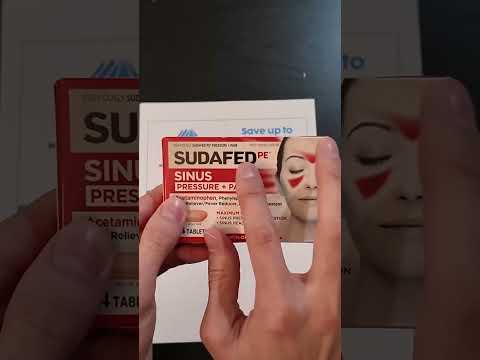
Hey there! So, let’s talk about something that we all know too well—colds. Ugh, right? Sniffles, stuffy noses, and all that jazz. It’s like they just sneak up on you when you least expect it. Seriously.
You wake up one day feeling fine, and the next? Bam! You’re wrestling with tissues like they’re your worst enemy.
But here’s the thing: finding relief doesn’t have to be a full-on quest. That’s where decongestants come in! These little helpers can really clear the way so you can breathe easy again.
In this chat, we’ll dive into what decongestants can do for you when cold symptoms hit. Trust me—it’ll be worth it to know how to kick that congestion to the curb! So grab your fave cozy blanket and let’s jump right in!
The Ultimate Guide to Choosing the Best Decongestant for Cold Relief
So, you’re feeling all stuffed up and just want to breathe again, right? We’ve all been there—you wake up with that annoying feeling in your nose and it’s like a tiny party of congestion is happening in your head. Let’s chat about decongestants! They can really help, but you gotta know which one suits you best.
First off, there are two main kinds of decongestants: **oral** and **nasal sprays**.
Oral decongestants, like pseudoephedrine, are taken by mouth. They work by shrinking blood vessels in your nasal passages. This means less swelling and more airflow! But hey—these can make some folks feel a bit jittery or even give you trouble sleeping.
Nasal sprays, on the other hand, like oxymetazoline, are applied directly into the nose. They work super fast! However, if you use them for too long—say more than three days—you might end up with a rebound effect where your congestion gets worse when you stop using them.
Now here’s something important to keep in mind:
- Check for allergies: Some people react to certain ingredients.
- Read the labels: Look out for caffeine or other stimulants if you’re sensitive.
- Know when to ask for help: If symptoms linger beyond a week or get super intense, hit up a healthcare professional.
You remember my friend Jenna? She swore by her oral decongestant until she realized it made her wide awake at night! After trying a nasal spray, things changed for her—she could finally sleep without feeling like she was suffocating under a pillow.
And seriously—whatever option you choose doesn’t replace professional healthcare! A chat with someone who knows their stuff is always smart if you’re unsure about what works best for you.
So there you go! Understanding decongestants isn’t rocket science. It’s all about knowing what fits best with your body while getting back to better breathing. How cool is that?
Effective Strategies to Relieve Cold Congestion Fast
So, you know that feeling when you’re all stuffed up and can’t breathe properly? It’s the worst! Cold congestion can really put a damper on your day. But don’t worry, there are some effective strategies to help you feel better quickly.
First off, let’s talk about staying hydrated. Drinking lots of fluids is super important. Water, herbal teas, or even broth can help thin out the mucus. Seriously, it’s like a little magic trick for your nasal passages!
Steam inhalation is another great option. You can boil some water, then carefully lean over it with a towel over your head to trap the steam. Just be careful not to get too close—nobody wants a scalding surprise! The warmth helps ease that stuffy feeling.
- Nasal saline sprays: A couple of spritzes up your nose can really clear things out.
- Warm compresses: Just soak a cloth in warm water and place it on your face for some sweet relief.
- Pineapple juice: This one might surprise you! It contains an enzyme called bromelain that may help reduce mucus.
I remember once when I had a nasty cold right before an important presentation at work. I felt like my head was in a fog! I tried inhaling steam while sipping on ginger tea, and honestly, it made a world of difference. Sometimes little things like that work wonders!
Another thing to keep in mind is elevating your head while sleeping. Propping yourself up with an extra pillow can help drain those sinuses overnight and make breathing easier.
Oh, and don’t forget about over-the-counter decongestants if you want something quick! They’re designed to help relieve congestion fast but check with someone who knows what they’re doing if you have any questions about what might be best for you.
The key takeaway here? There are plenty of ways to manage cold congestion without making it complicated. Just remember to listen to your body and do what feels right for you! And always reach out for professional healthcare advice if you’re unsure about anything.
Safe Nasal Decongestants for Pregnant Women: What You Need to Know
So, you’re pregnant and dealing with a stuffy nose? Ugh, that’s the worst! I remember when my friend Sarah was pregnant, she had this awful cold and couldn’t breathe. It made her feel so miserable. She asked me about what she could use to clear her sinuses without putting her baby at risk. If you’re in a similar boat, here’s what you might wanna know about nasal decongestants that are generally considered safe for pregnant women.
First off, always check with your healthcare provider before trying any medication. That’s the most important step! Even over-the-counter stuff can have effects you don’t want.
Now, if we talk about some common options:
- Saline nasal sprays: These are basically just saltwater solutions. They help moisten your nasal passages and reduce congestion without any harsh chemicals.
- Pseudoephedrine: This is an ingredient found in some decongestants. Some studies say it’s generally alright during the second and third trimesters but always consult first.
- Oxymetazoline: Found in many over-the-counter sprays, this one is typically safe for short use. But really—check with your doctor!
There are also some things that you should probably avoid:
- Aspirin: It’s best to steer clear during pregnancy since it can lead to complications.
- Certain herbal remedies: While they may seem natural, some herbs aren’t safe when you’re expecting.
If you want to go the natural route, think about steam inhalation. Just breathing in warm steam from a shower or bowl of hot water can work wonders for congestion. Super easy and no medicines involved!
And hey! Staying hydrated is key too. Water helps thin out mucus and keep things flowing—literally!
So remember, every pregnancy is unique, and what works for one person might not work for another. Always loop in your healthcare provider before trying something new on that stuffy nose of yours! After all, keeping both you and your little one safe is what matters most.
Top Decongestants for Sinus Relief: Find the Best Options for Clearer Breathing
When you’re feeling all stuffy and can’t breathe right, sinus congestion can really cramp your style. You know that feeling when you just want to breathe clearly again? Yeah, we’ve all been there. Well, decongestants can be a godsend. Let’s break down some popular options that might help clear the way for a smoother breath.
What Are Decongestants?
Decongestants are meds that help reduce swelling in the nasal passages, making it easier to breathe. They work by narrowing the blood vessels in your nose and sinuses, which decreases mucus production.
Some typical types of decongestants include:
Sometimes you need to follow up with something soothing for your throat—that tickle from post-nasal drip is no fun! Herbal teas or warm broths might just do the trick.
And hey, don’t forget about staying hydrated! Drinking enough water can thin mucus so it flows better instead of clogging up your nasal passages.
Now… while all this sounds pretty helpful, remember these are just options! If you’re having serious problems or if symptoms stick around longer than expected, it’s always best to chat with a healthcare professional about what’s going on. They can help you figure out what’s right for you.
So there you go! A little insight into decongestants and how they might help clear things up when you’re feeling under the weather. Breathe easy!
So, let’s talk about those pesky colds. You know, the ones that sneak up on you when you’re least expecting it? Last winter, I had this awful cold that seemed to linger forever. I was at work, trying to power through a mountain of tasks, but every few minutes, my nose would stuff up like a clogged drain. Not the best feeling, right?
Now, if you’ve ever found yourself in a similar situation, you probably know all too well about decongestants—the little heroes in the war against nasal congestion. The thing is, they’re like that friend who shows up right when you need them but can also be a bit complicated.
Decongestants work by narrowing the blood vessels in your nasal passages. Trust me; it sounds fancy but really just means they help clear out the gunk making it hard to breathe. Think of them as tiny traffic cops directing airflow through your nose instead of letting it get jammed up!
You’ve got two main types: oral and nasal spray decongestants. Oral ones are like a chill friend who takes their time getting ready—sometimes it takes a bit longer for them to kick in. On the other hand, nasal sprays act fast; they’re more like that friend who’s always buzzing around and ready to go.
But here’s where things can get tricky: using nasal sprays for too long can make your congestion worse once you stop! It’s called rebound congestion. I learned this the hard way after using one for a week—what started as quick relief turned into frustration when I couldn’t breathe without it.
So while these remedies can help clear out the congestion and make everything feel more bearable during cold season—it’s super important to use them wisely. Always read labels and check in with your healthcare pro if you’re unsure about how long to use them or what might be best for you.
Anyway, next time you’re feeling sniffly and congested, remember there are options out there! Just approach them with care…and remember that some rest and fluids go a long way too. So here’s hoping for clearer days ahead—without those nasty colds crashing our parties!
