

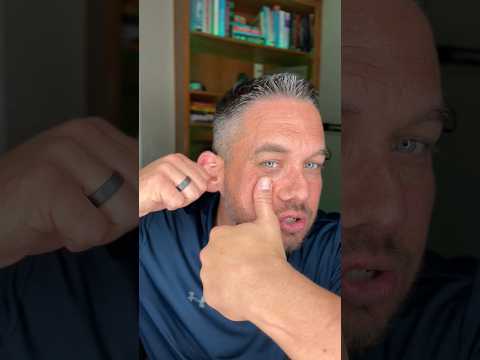
Hey there! Ever felt like your ears are stuffed with cotton? Ugh, the worst, right? That annoying pressure can come outta nowhere. It can happen when you’re flying, swimming, or even catching a nasty cold.
You just want to pop your ears and feel normal again. Well, guess what? Decongestants might be the little heroes you’re looking for. They can help clear things up!
So let’s dive into how these meds can relieve that ear pressure and get you back to feeling like yourself again. You in? Let’s go!
Effective Strategies to Relieve Ear Pressure and Congestion
You know that feeling when your ears feel stuffy and you can barely hear anything? Yeah, it’s the worst! That pressure in your ears could be caused by congestion, which usually happens during a cold, allergies, or even flying. So let’s chat about some ways to help relieve that annoying ear pressure.
First off, stay hydrated. Drinking enough water can help thin out mucus. When it’s thinner, it moves easier through your body, including your ears.
Next up, consider steam inhalation. Just inhale steam from a bowl of hot water or take a warm shower. The warm air helps open up your nasal passages and can ease that pesky pressure. Pro tip: maybe throw in some eucalyptus oil for an extra boost!
Another thing you might wanna try is yawning or swallowing. Sounds simple, right? These actions help equalize the pressure in your ears. Chewing gum can be surprisingly effective here too; it gets you swallowing more often.
And oh! Let’s not forget the classic nasal decongestants. These over-the-counter sprays or tablets can help shrink swollen tissues in your nose and improve airflow. But hey, don’t go overboard on them; they’re usually meant for short-term use only!
Also, if you find yourself flying or driving through mountains where pressure changes are a thing, try doing those yawning tricks I mentioned earlier often.
, which involves closing your mouth and pinching your nose while gently blowing air out can also work wonders to balance ear pressure.
Finally, if none of this helps and you’re still feeling like something’s off with your ears, it’s probably best to chat with a healthcare professional. It’s always good to make sure everything’s alright down there!
So there you have it! Just remember: while these ideas might offer some relief for ear pressure and congestion, they don’t substitute for professional healthcare advice.
Exploring the Effectiveness of Mucinex for Relieving Clogged Ears
So, let’s talk about clogged ears. It can be super annoying, right? You might feel like you’re underwater or stuck in a bubble. Lots of folks ask if Mucinex can help with that. I mean, it’s known for relieving stuffy noses, but what about our poor ears?
Mucinex contains **guaifenesin**, which is a type of medication known as an expectorant. What it basically does is thin the mucus in your body, making it easier to get rid of. This thinning action is great for your chest and sinuses, but when it comes to clogged ears, the connection isn’t as straightforward.
You see, clogged ears often happen because of **pressure changes** or fluid buildup due to colds or allergies. So here’s the tricky part: while Mucinex might dry up some excess mucus in your nose and throat, it doesn’t always directly relieve ear pressure. But hey, anything that helps clear out your nasal passages could potentially make you feel a bit better overall!
Here are some things to keep in mind:
- Mucinex helps with mucus but doesn’t specifically target ear pressure.
- Clogged ears can also be caused by allergies or sinus infections.
- Everyone’s body reacts differently; what works for one person might not work for you.
I remember one time when I was flying back home from a trip. Ugh! My ears felt completely clogged during landing—it was miserable! I tried everything: yawning, chewing gum, even pinching my nose and blowing gently. It took ages before my ears finally popped and felt normal again.
So if you’re considering Mucinex for ear pressure relief, just know that while it might help indirectly by clearing out congestion elsewhere in your body, it’s not a magic solution specifically for your ears. And if those feelings persist or worsen? That’s definitely a cue to check in with a healthcare professional.
In the end, listen to your body! Everyone deserves to hear the world clearly—like music to our ears!
Top Decongestants for Relieving Clogged Ears: Effective Solutions and Recommendations
So, have you ever felt like you’re under water because of clogged ears? I mean, it’s super annoying, right? Whether it’s from allergies, a cold, or just that pesky change in weather, ear pressure can be a real downer. Luckily, decongestants can help you find some relief. Let’s dive into this!
What Are Decongestants?
Decongestants are medications that can help reduce the swelling in your nasal passages. By doing this, they allow your ears to pop and relieve that annoying pressure. They come in different forms like pills, liquids, or nasal sprays. Each one might work a little differently for you.
Top Options for Relief
There are several over-the-counter decongestants you might consider. Here are some common ones:
- Pseudoephedrine: This is a popular choice found in brands like Sudafed. It’s great for clearing up sinus congestion.
- Phenylephrine: Another common active ingredient in products like Neo-Synephrine can help shrink swollen tissues.
- Nasal Sprays: Stuff like oxymetazoline (found in Afrin) can give quick relief but shouldn’t be used for more than three days.
Hey! Quick side note—while these options can be effective, they aren’t for everyone. It might not suit those with certain medical conditions or those on specific medications.
How Do They Work?
Here’s the scoop: when you take a decongestant, it starts working by shrinking the blood vessels in your nasal passages. This leads to less swelling and lets air pass through more easily. Think of it as opening a blocked tunnel so traffic can flow smoothly again.
Anecdote Time!
I remember once being on a long flight when my ears decided to throw a mini tantrum—total blockage! I tried chewing gum and swallowing hard but nothing worked until I took some pseudoephedrine before landing. Suddenly, it felt like someone pressed the “reset” button on my ears! Seriously life-changing.
The Bottom Line
If you’re feeling stuffed up or dealing with ear pressure issues again, decongestants could provide that sweet relief you’re searching for! Just remember to check with your healthcare provider first to make sure it’s right for you because everyone’s body is different. Stay well and breathe easy!
Effective Techniques to Relieve Sinus Pressure in the Ears
Hey there! So, let’s chat about that annoying sinus pressure in your ears. You know, that feeling when your head feels heavy, and you can’t pop your ears? Ugh, right? It’s super uncomfortable. The thing is, this kind of pressure often happens when your sinuses get congested—think allergies or a cold. If you’re looking for some ways to help relieve that pressure, I got you! Here are a few techniques you might find useful.
Stay Hydrated
Drinking lots of water is essential. When you’re hydrated, it helps thin out mucus. This can make it easier for your sinuses to drain. Seriously, just grab a glass of water!
Warm Compress
Applying a warm compress over your ears can help soothe the discomfort. Just soak a cloth in warm water, wring it out, and place it gently on your ear for some relief.
Steam Inhalation
Inhaling steam works wonders! Try taking a hot shower or filling a bowl with hot water and leaning over it with a towel over your head. Just breathe deeply and let the steam do its magic.
Nasal Irrigation
Okay, this one sounds kinda weird but hear me out: using saline nasal sprays or a neti pot can really help clear out the nasal passages. It can reduce pressure in your ears too!
Over-the-Counter Decongestants
Sometimes you might need that extra help from medications at the pharmacy—decongestants can reduce swelling in your nasal passages and ease ear pressure too. Always read the label though!
Chewing Gum or Yawning
Simple but effective! Chewing gum or yawning helps open up those Eustachian tubes (the ones connecting the throat to the ears) which can relieve pressure.
Avoid Allergens
If allergies are triggering all this chaos in your sinuses, try to steer clear of what bothers you—pollen or dust might be culprits here.
You know what? Everyone’s body reacts differently, so these suggestions may not work for everyone—what helps one person might not do much for another. But it’s always good to keep trying till you find what works best for you!
And remember: if you’re having extreme discomfort or if things just aren’t getting better, reaching out to a healthcare professional is never a bad idea. Take care of yourself!
Ah, ear pressure. Can we just agree it’s one of the most annoying sensations? I remember a time when I was flying back home. You know that feeling when your ears feel like they’re about to pop? Well, mine did, and it was not fun! It felt like a mini explosion every time the plane descended. Talk about uncomfortable!
So, let’s dive into what causes this pesky ear pressure. It often happens when you have a cold or allergies—thanks, pollen! Your Eustachian tubes, which connect your middle ear to the back of your throat, get blocked. And guess what? That causes a build-up of air pressure! Ouch!
Now, here’s where decongestants come into play. They are like little superheroes for your nasal passages and can really help ease that annoying pressure in your ears. Decongestants work by shrinking the swollen blood vessels in your nasal passages, making it easier for the air to flow through and helping to open up those pesky Eustachian tubes. Sounds pretty good, right?
There are different types of decongestants out there—some can be taken orally as pills while others come in handy sprays or drops for quick relief. Just remember that before trying anything new, having a chat with a healthcare professional is super important.
But hey! Don’t think you need medicine for everything. Sometimes simple remedies can do wonders too! Chewing gum or yawning might help balance out that pressure naturally. Seriously! It’s all about getting those tubes working again.
In any case, if you’re feeling discomfort or pain that doesn’t seem to go away—or if it keeps coming back—you should definitely reach out to someone who’s got more answers than I do!
So next time you’re feeling that tightness in your ears—whether from flying high up in the sky or battling seasonal allergies—there are ways to find relief. Just take a breath and remember: you’re not alone in this little battle against ear pressure!
