

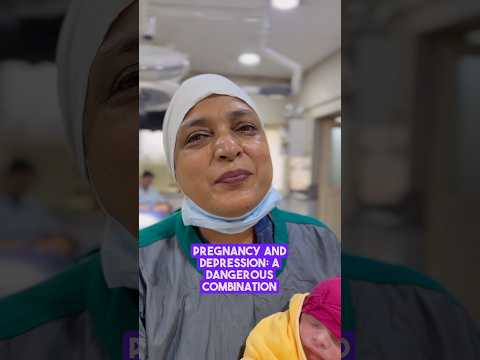
Hey there! So, let’s talk about something super important—navigating pregnancy.
You know, it’s a wild ride filled with excitement, joy, and let’s be real—some pretty overwhelming stuff. It’s not just about picking baby names and nursery colors. Sometimes, it can hit hard with feelings of sadness or anxiety.
That’s where tech and support come in! Seriously, we’re living in an age where your phone can help you through this journey. From apps that track your mood to online communities that get what you’re going through—it’s like having a supportive buddy right in your pocket.
So if you’re feeling a little lost or heavyhearted during this time, know you’re not alone. Let’s dive into how tech can team up with good old-fashioned support to help you feel better.
Essential Topics for Effective Pregnancy Support Groups
Pregnancy can be an exciting time, but let’s face it—sometimes it’s really overwhelming. That’s why support groups can be a lifesaver. They’re like having a squad of people who totally get what you’re going through. And when you add technology into the mix, it can make connecting even easier!
Here are some essential topics that can really help in pregnancy support groups:
- Emotional Well-being: It’s super important for everyone to talk about how they’re feeling. Pregnancy hormones can turn your emotions upside down, and sharing those ups and downs creates a safe space.
- Resources and Tools: Technology is amazing! Share apps or websites that help track your pregnancy progress or offer coping strategies for anxiety and depression. You’d be surprised how much support is just a click away!
- Physical Health: Discussing things like nutrition, exercise, and prenatal care can be so helpful. Sharing tips on what works for you can spark real conversations about staying healthy.
- Birth Plans: Everyone has different ideas about childbirth. Talking about plans, fears, and expectations prepares everyone for what’s ahead.
- Coping Mechanisms: Each person has different ways of handling stress or anxiety during pregnancy. Whether it’s meditation, journaling, or yoga, sharing these methods can inspire others to find their own paths to calmness.
- Building Community: Encourage members to share their experiences and stories. It helps create bonds and reminds everyone they’re not alone in this journey!
Let me tell you about my friend Sarah. She was nervous during her pregnancy and found a tech-savvy support group online. By joining Zoom calls every week with other expecting moms, she was able to connect deeply with others facing similar challenges. Just hearing their stories made her feel less isolated; it was such a game changer for her mental health.
So remember, joining or creating a support group is all about connection—whether in-person or through tech tools—it’s essential for navigating the rollercoaster that is pregnancy! But hey, never forget that while these groups are awesome, professional healthcare should always be your go-to when it comes to serious health stuff!
Comprehensive Resources for Supporting Individuals with Pregnancy-Related Depression
Hey there! So, let’s chat about pregnancy-related depression because it’s something that many women face but don’t always talk about. It can feel a little lonely, right? But guess what? There are resources out there that can really help you or someone you know navigate this tough time.
Understanding Pregnancy-Related Depression is super important. It’s more than just feeling blue. Many women experience anxiety or sadness during and after pregnancy, and it can really affect how you enjoy this special time. But don’t worry, you’re not alone!
Now, let’s dive into some comprehensive resources. There are a few main areas that can support individuals dealing with this:
- Support Groups: Connecting with others who understand what you’re going through can be so comforting. Local community centers or online groups allow sharing feelings in a safe space.
- Therapy Apps: There are apps designed specifically for mental health support during pregnancy. These can offer daily mood trackers and guided meditations to help lift your spirits.
- Hotlines: If you’re feeling overwhelmed, calling a mental health hotline might be exactly what you need. They have trained professionals who listen and provide guidance.
- Pregnancy Resources: Websites like Postpartum Support International offer valuable info and connect you with local resources tailored for pregnancy-related issues.
The thing is, combining tech with these resources can make a big impact on your journey. For example, using an app to track your mood daily while chatting with someone who feels the same way makes the load seem lighter! You might also find comfort in podcasts or blogs addressing shared experiences—sometimes just hearing someone say “I felt that too!” can lift your spirits.
A personal story from a friend of mine comes to mind—she struggled during her pregnancy but found solace in an online community that met weekly via video calls. They shared everything from baby names to challenges like anxiety! Eventually, she felt more at ease sharing her experiences and found helpful tips along the way.
You see, it’s all about creating a network of support around yourself. Don’t forget: these resources are here for you but they never replace professional healthcare advice! Always reach out to healthcare providers for guidance tailored specifically to you.
So remember, navigating pregnancy-related depression isn’t just about surviving; it’s about finding ways to embrace the journey with the right kind of support! You’ve got this!
Effective Strategies for Treating Antenatal Depression: A Comprehensive Guide
Pregnancy can be a beautiful journey, but it’s not always sunshine and rainbows. Sometimes, feelings of sadness, anxiety, or depression can creep in. This is called antenatal depression, and it’s more common than you might think. Seriously! It’s like that unexpected guest who shows up at a party—totally uninvited.
In days gone by, many folks kept their feelings bottled up during pregnancy. But now, we know that talking about it is super important. And guess what? You’re not alone. There are some cool strategies that might help manage those heavy feelings:
- Talk it out: Sharing your thoughts with someone you trust can make a world of difference. Whether it’s your partner, a friend, or a therapist—just let it all out! Talking has this magical ability to lighten the load.
- Stay active: Movement is like magic for your mood! Even a simple walk around the block can help clear your mind and lift those spirits. Plus, getting fresh air feels nice!
- Use tech wisely: There are apps designed to support mental wellness during pregnancy. They offer mindfulness exercises, mood check-ins, and even community support where you can connect with other expectant parents going through similar struggles.
- Create a self-care routine: Remember that taking care of yourself isn’t selfish—it’s necessary! Whether it’s reading a book or indulging in a bubble bath after a long day, prioritize what makes you feel good.
Sometimes I think back to my friend Sarah when she was pregnant. She felt overwhelmed and didn’t realize so many women go through this too! Once she opened up and tried some techniques—a mix of chatting with friends and using an app—she started feeling better day by day.
And you know what? Having supportive people around you is key. Lean on your loved ones; they want to help make this journey lighter for you.
But here’s the thing: if you’re feeling really down or struggling to cope? It might be time to reach out to someone who knows their stuff—a healthcare professional. They can provide guidance tailored just for you because every pregnancy is unique!
So remember: antenatal depression is real but manageable, and there are ways to navigate this journey together with love and support. Hang in there!
Recognizing the Signs of Depression During Pregnancy: Key Insights for Expecting Mothers
Pregnancy is such a magical time, but it can also be, well, overwhelming. It’s totally normal to feel a mix of emotions, but sometimes, those feelings can turn a bit darker. Recognizing the signs of depression during pregnancy is super important for expecting mothers. Let’s dive into this together.
First off, understanding what depression looks like is key. It’s not just about feeling sad; it could show up in different ways. You might notice that you’re feeling more anxious or irritable than usual. Some common signs to watch for include:
- Persistent sadness: Feeling low most days, not just when you’re tired.
- Loss of interest: Things that used to make you happy—like your favorite shows or hanging out with friends—might not bring you joy anymore.
- Changes in sleep: This can go both ways—either sleeping too much or struggling to get any rest at all.
- Fatigue: Feeling drained all the time and lacking energy.
- Difficulties concentrating: Finding it hard to focus on tasks you normally manage easily.
It’s pretty normal for women to feel a bit down here and there during pregnancy because there are so many hormonal changes happening. But if these feelings stick around and start affecting your day-to-day life, that’s when it gets serious.
One friend of mine shared how she felt really isolated during her second trimester. She thought it was just “normal pregnancy stuff” until she realized her sadness wasn’t going away. Reaching out for help made a world of difference for her!
That brings us to another point: don’t hesitate to lean on support. Whether it’s friends, family, or even joining online communities—talking about how you’re feeling can be so healing!
Lastly, using tech wisely can help too. There are various apps out there offering mindfulness exercises or mood tracking features that could really benefit you during this time. Just remember though, while tech has its perks, nothing beats real human connections and seeking advice from healthcare professionals if things get tough.
Remember: you’re not alone in this journey! It’s okay to ask for help and seek support when you need it. Keep an eye on how you’re feeling and take care of yourself—you deserve it!
So, let’s talk about something that’s super important but not always easy to discuss: pregnancy and mental health. Picture this: a friend of mine, Sarah, was so excited when she found out she was pregnant. But as the months went by, she started feeling overwhelmed. You know that mix of joy and uncertainty? Yeah, it turned into something heavier for her—she was grappling with feelings of sadness and anxiety.
It’s like this roller coaster ride where you’re excited about the destination but can get tossed around by the ups and downs. And guess what? A lot of women experience this during pregnancy! Hormonal changes can really stir the pot in your mind and emotions. So while you’re busy preparing for baby snuggles, your brain might be going through a major overhaul.
Now, here comes the tech part! I mean, we live in a time where there are apps for just about everything—including mental health support during pregnancy. It’s wild how technology can help track your mood or connect you with professional help right from your phone! Imagine being able to chat with someone in real-time when those overwhelming feelings come crashing in. Or finding online communities filled with folks who get it—because sometimes you just want to vent to someone who knows what you’re feeling.
But wait, tech isn’t everything! Support from friends and family plays such an important role too. Sharing how you feel can lighten that load so much—it’s like taking off a heavy backpack after a long hike. Just talking about what you’re going through can be incredibly freeing.
And if you think about it, combining both tech tools and that real-world support might be the best way to navigate those tricky waters of pregnancy-related depression or anxiety. It’s not one magic solution; it’s more like building a safety net filled with different kinds of support.
Just remember: reaching out is key. If you’re in it or know someone who is, don’t shy away from looking for help—be it through an app or from loved ones around you. You deserve to feel good during what should be an amazing time in life! Because hey, at the end of the day? We’re all human, and it’s totally okay to ask for help!
