

Hey there! Have you ever noticed how your breath can totally change your mood? I mean, seriously, when was the last time you took a big, deep breath and felt everything just chill out for a second?
So, let’s talk about something super cool: diaphragmatic breathing. Sounds fancy, I know! But it’s really just a way of breathing that helps you relax and focus. It’s like hitting the reset button for your brain.
You might be thinking, “Why do I care?” Well, let me tell you. We live in a world full of distractions. Sometimes it feels like a million things are trying to grab your attention at once. Wouldn’t it be nice to have a little trick up your sleeve to cut through the noise?
In this article, we’re gonna dive into how changing the way you breathe can help you focus better and feel more centered. Trust me; it could make all the difference! Ready? Let’s get into it!
Mastering Diaphragm Breathing: Techniques to Enhance Focus and Relaxation
Alright, let’s talk about something we all do but don’t always think about—breathing. Yes, I know, it sounds simple! But there’s this cool thing called diaphragm breathing that can really help you chill out and get your focus back.
The diaphragm is this big muscle right under your lungs. When you breathe in deeply using your diaphragm, you pull air into the bottom of your lungs instead of just the top. This helps you get more oxygen and can seriously amp up your relaxation game.
So how do you get started? Here are some techniques:
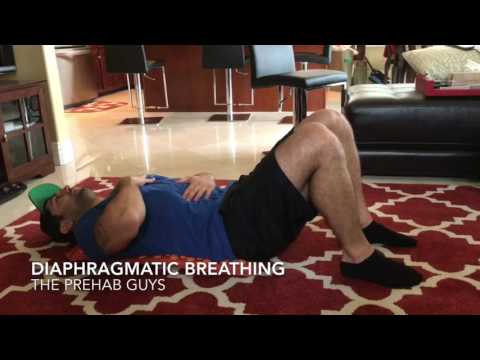
- Find a comfy spot: Sit or lie down in a place where you feel good. You want to be relaxed but still alert.
- Place your hands: Put one hand on your belly and the other on your chest. This will help you see which part of your body is moving as you breathe.
- Breathe in through your nose: Take a slow, deep breath in through your nose while pushing out your belly—your chest shouldn’t move much at all!
- Breathe out through your mouth: Exhale slowly through your mouth, feeling that belly come back in. Do this for a few minutes.
You know, I remember when I first tried this technique during a particularly hectic week at work. Just taking those deep breaths helped me feel so much calmer before diving into my to-do list. It’s like hitting pause for just a moment!
The thing is, when you’re stressed or even just daydreaming about what to have for dinner, diaphragm breathing helps clear that fog away. It’s pretty neat how something so simple can change how we handle stress and improve focus at the same time.
So next time you’re feeling overwhelmed or zoned out during that long meeting or study session, give diaphragm breathing a shot. It won’t replace professional healthcare or anything serious but hey—sometimes all it takes is a few good breaths to feel better! Make sense?
Understanding the Time Required to Activate the Vagus Nerve Through Diaphragmatic Breathing
Alright, let’s talk about that superhero of the nervous system: the vagus nerve. It’s like the bridge between your brain and body, helping with everything from digestion to stress management. When you take a deep breath, specifically through something called diaphragmatic breathing, you can actually give this nerve a little nudge.
So, what does it mean to activate the vagus nerve with your breath? Well, when you breathe deeply using your diaphragm—this muscle right below your lungs—you’re sending signals to calm down your body. This means less stress and more focus! But how long does it take for this magical activation to happen?
The truth is, it’s pretty quick. You might start feeling some effects in just a few minutes! Here are some key points to keep in mind:
- Deep Breathing: When you inhale deeply through your nose and let that belly expand, you’re activating the vagus nerve.
- Duration Matters: Just a few minutes (like 5-10) of focused breathing can start making a difference.
- Consistency is Key: If you make this a regular practice, like daily or several times a week, you’ll probably notice even better results over time.
- Personal Experience: Everyone’s different. Some folks might feel relaxed right away; others may need more time. Stick with it!
I remember when I first started practicing this breathing technique. I was super stressed from work deadlines and felt like my brain was on overdrive. After just a few minutes of diaphragmatic breathing, I finally felt like I could think straight again. It’s wild how something so simple can work wonders!
At the end of the day, remember that while focusing on deep breaths can help soothe that stress monster lurking inside, it doesn’t replace any professional help if you really need it. Just think of diaphragmatic breathing as one tool in your wellness toolbox!
Discover the Best Breathing Techniques to Enhance Focus and Concentration
Hey there! Let’s chat about something super simple yet powerful: breathing. You might not realize it, but the way you breathe can totally impact your focus and concentration. It’s crazy, right? So, let’s dive into some neat breathing techniques that could help you get your mind back on track.
First up is diaphragmatic breathing. This technique involves using your diaphragm (that’s a muscle right below your lungs) to take deeper breaths. Instead of letting your chest rise and fall, you want your belly to do the work. It feels a bit funny at first, but trust me; it gets easier! Just place one hand on your belly and the other on your chest. Inhale deeply through your nose for about four counts—feel that belly expand? Awesome! Then exhale slowly through your mouth for six counts.
Another cool technique is box breathing. This one’s like a mental reset button. You inhale for four seconds, hold it for four seconds, exhale for four seconds, and then hold again for another four seconds. It’s kind of like creating a little box with each breath. This helps clear out all that mental clutter swirling around in there.
And here’s something that might surprise you: mindful breathing. This isn’t just about the breaths; it’s also about paying attention to them. Try sitting comfortably and focusing solely on how each breath feels—cool air coming in and warm air going out. You might find yourself drifting off into thought sometimes—that’s normal! Just gently bring your focus back to those breaths.
I remember when I was feeling overwhelmed during finals week in college. Ugh! I started using these techniques whenever stress hit me like a ton of bricks—seriously life-changing! Taking just a few moments to breathe deeply helped me regain my focus so I could tackle my studies without feeling like my brain was going to explode.
So remember, keeping calm and collected can start with just a few deep breaths throughout the day. Next time you’re feeling scattered or find it hard to concentrate, give these techniques a shot! But hey, always chat with someone who knows their stuff if you have any health questions or concerns—that’s super important!
Unlocking Wellness: The Powerful Benefits of Diaphragmatic Breathing for Health and Relaxation
Hey there! Let’s chat about something super simple yet powerful: diaphragmatic breathing. You might be wondering, what the heck is that? Well, it’s all about using your diaphragm—the muscle just below your lungs—to breathe better. Seriously, it can turn a stressful moment into a calm one.
So, why should you consider adding this to your routine? Here are some of the key benefits:
- Reduces Stress: Taking deep breaths can help lower those stress levels. It’s like giving your body a little hug!
- Improves Focus: Better oxygen flow means more brain power. You’ll find it easier to concentrate on tasks.
- Aids Relaxation: Ever notice how a few deep breaths can make you feel instantly more relaxed? That’s diaphragmatic breathing working its magic.
- Enhances Overall Health: By getting more oxygen into your system, you might just feel more energized and ready to tackle anything.
I remember when I was juggling work deadlines and personal chaos—it felt like I was constantly on edge. One day, I stumbled upon diaphragmatic breathing. I decided to give it a go during my lunch break. Just sitting quietly and focusing on my breath totally changed my mood! It was like hitting the reset button for my brain.
The beauty of diaphragmatic breathing is that it’s super simple. Just sit comfortably or lie down, place one hand on your belly, and take slow breaths in through your nose—making that belly rise as you inhale. Then let it fall as you exhale through your mouth. Feels good, right?
This isn’t some magical cure or anything—it doesn’t replace professional healthcare—but hey, everyone can use a bit more peace in their life! So why not give it a try? The next time life throws stress at you like confetti at a party, remember: take a deep breath!
You know, I used to think breathing was just one of those automatic things our bodies do, like blinking or digesting food. I mean, you breathe in and out all day long without even thinking about it, right? But then I stumbled across something that made me stop and really consider my breaths: diaphragmatic breathing. It’s like a secret door to clearer thoughts and better focus.
So picture this. One day after a long week at work, I was feeling super overwhelmed with deadlines piling up. My brain felt foggy—like trying to watch TV with all the channels messed up. Just for kicks, I decided to try this diaphragmatic breathing thing I had heard about. It felt a bit goofy at first—lying down on the floor, putting my hands on my belly—but as soon as I started taking nice deep breaths from my diaphragm instead of just shallow ones from my chest, wow! It was like someone turned the lights on in that foggy room.
Diaphragmatic breathing basically means using your diaphragm—the big muscle under your lungs—when you take a breath. Instead of letting air just fill up your chest, you draw it in deeper into your belly. You know what that does? It sends more oxygen flowing through your body and can help calm your nervous system down. Seriously! And who doesn’t want more oxygen flowing when stress is creeping in?
The cool part is that once you start mastering this kind of breathing, things become clearer—not just in your head but in how you approach tasks too! You find yourself being more present and focused on what you’re doing rather than getting lost in a whirlwind of anxious thoughts.
I mean sure, you might feel silly at first practicing it—wondering if anyone’s watching while you’re taking these deep breaths—but trust me; it’s worth it! Whether you need to tackle work projects or simply chill out after a hectic day, diaphragmatic breathing can be that little boost we sometimes overlook.
So next time life feels like it’s heading towards chaos or when you’ve got too much on your plate, maybe take a moment to check in with your breath. Close your eyes for just a minute or two and try focusing on filling that belly with air instead of just the upper chest. You might be surprised at how much focus and calm can come from something as simple as… well, breathing better!
