

Hey there! So, let’s chat about something that’s kind of mysterious but super important—pregnancy discharge after ovulation.
You might be wondering, what’s that all about? Well, it’s normal for your body to go through some changes during your cycle. And those changes can totally show up as discharge.
Sometimes, it can be confusing. Is it a sign of pregnancy? Or just your body doing its thing? Trust me, you’re not alone in this!
In this little journey together, we’ll figure out what’s happening in your body after ovulation and what those changes really mean. Let’s dive in!
Understanding Discharge After Ovulation: Key Signs of Early Pregnancy
Alright, let’s talk about something that’s super important but not often discussed: discharge after ovulation and how it can be a sign of early pregnancy. It can get a bit confusing, so let’s break it down together.
So, after you ovulate, the body goes through some changes. You might notice different types of discharge during your cycle. This is totally normal! But if you’re wondering what your discharge might be telling you, especially if you’re hoping for a baby, here are some key points to consider:
- Timing Matters: If you’ve recently ovulated, that was about 14 days before your expected period. If you start noticing changes in your discharge around this time, it could mean something exciting!
- Texture and Color: Early pregnancy discharge is often milky-white or creamy. It might feel thicker or more abundant than usual. If it’s different from what you normally see post-ovulation, pay attention!
- Other Symptoms: Sometimes women experience light spotting or cramping when implantation occurs. It can feel like a slight twinge in your belly. That could be another little hint something’s happening!
- No Two Bodies Are Alike: Everyone’s body is unique! Some women notice changes while others don’t at all. The important thing is to recognize what’s normal for you.
The thing is, while these signs can be clues to early pregnancy, they shouldn’t make you jump to conclusions. I remember when my friend was trying to conceive; she thought every tiny change meant she was pregnant! But sometimes it was just her body doing its own dance.
If you’re ever unsure about any symptoms or need clarity on your situation—really the only way to find out for sure is through a test or chatting with a healthcare professional. They are the best source for questions related to reproductive health.
So keep track of your body and how it feels during this time! Understanding these signs can help make things clearer as you navigate through this exciting (and sometimes nerve-wracking) journey.
Understanding Discharge After Ovulation: What It Means If You’re Not Pregnant
Hey there! So, let’s chat about something that might seem a little icky but is super important to understand: discharge after ovulation, especially if you’re not pregnant. It can be confusing, right? But don’t worry, I’ve got your back!
After you ovulate, your body goes through some changes. This time of the month can lead to different types of discharge due to hormonal fluctuations. You might notice things getting a bit slippery, creamy, or even a bit thicker! And guess what? That’s completely normal!
Here are a few things you might notice:
- Increased Discharge: After ovulation, you may have more fluid than usual. This is caused by estrogen levels rising.
- Color Changes: Discharge can vary from clear to white or even yellowish. If it smells okay and isn’t itchy, usually it’s nothing to freak out over!
- Consistency Matters: Right after ovulation, many women experience creamy or lotion-like discharge. This means your body is prepping for the next phase.
- PMS Signs: Sometimes this discharge can be mixed with signs of premenstrual syndrome (PMS). So if you feel crampy too, your period might be on its way.
Let me tell you a quick story. My friend Jess always panicked whenever she noticed changes in her discharge after ovulation. She thought it was something serious every time! But once she talked with her doc and learned about how natural those changes can be, she relaxed so much! Just knowing that it’s all part of how our bodies work made a huge difference.
Now remember, while most of these changes are perfectly normal and just part of the process, keep an eye out for anything unusual. If the color is off or there’s an odd smell or itchiness—definitely reach out to a healthcare pro.
So there you have it! Discharge after ovulation can tell you lots about what’s going on in your body—even if you’re not pregnant. Just listen to your body and give yourself grace during this sometimes confusing journey!
Understanding Creamy White Discharge 3 Days After Ovulation: Causes and What to Expect
Alright, let’s talk about that creamy white discharge you might notice a few days after ovulation. It’s something many women experience, and while it can stir up some questions, it’s usually pretty normal.
So first things first, you’re typically ovulating around the middle of your cycle. After that, your body starts to prepare for a possible pregnancy. Here’s where the discharge comes in: hormonal changes influence how your cervical mucus behaves. You might find it becomes thicker and creamier due to estrogen levels.
Now let’s break down what you might be seeing:
- Consistency: Creamy white discharge is often smooth and can range from thin to thick.
- Color: It tends to be a milky white color, which is generally nothing to worry about.
- Amount: Some women notice more than others; both variations are normal!
You know, I remember a friend of mine getting all worried thinking something was wrong because she noticed this change. But after chatting with her doctor (and doing some of her own research), she found out it was just part of her cycle! Totally common but could raise eyebrows if you’re not familiar with it.
If you’re trying to conceive or just tracking your cycle, this creamy discharge can sometimes *even* be an early sign of pregnancy for some. It happens when a fertilized egg implants in the uterus, causing changes again in cervical mucus.
BUT—and this is super important—if you see any weird colors (like green or yellow) or have an odor that seems off, it’s best to check in with a healthcare professional. They’ll help figure out what’s going on. Remember, though: our bodies are quirky! Understanding all these little signs helps us feel more connected to what our bodies are telling us.
If you’re ever in doubt or need clarity about anything health-related, always turn to a trusted source or professional for advice! After all, being informed is key!
Understanding Milky White Discharge After Ovulation: Causes and What to Expect
Hey there! So, you’ve noticed some milky white discharge after ovulation? Let’s break it down together.
First off, discharge is totally normal. It can change during your cycle due to all those hormone fluctuations. After ovulation, your body’s adjusting—so things might get a bit milky down there.
The milky white stuff often happens because of increased estrogen levels. This hormone helps keep your vagina healthy and balanced. You might notice this type of discharge just before your period too; it’s like a sign that everything’s working as it should!
- Common Causes:
- Hormonal Changes: Your hormones are dancing around, which causes variations in discharge.
- Cervical Mucus: This could be a form of cervical mucus that helps sperm find their way if you’re trying for a baby.
- Pregnancy Signs: Sometimes, this milky discharge can be an early sign of pregnancy, but not always.
If the discharge smells funny or is accompanied by itching or irritation, well, that might mean something else is going on. Remember to check in with a healthcare person if anything feels off. Seriously, they’re the experts!
The thing is: it’s all part of the cycle! One time I was totally freaking out over my own discharge changes before realizing it was just hormones doing their thing. Emotions can run wild when you’re tracking things like this!
Anyway, understanding your body can be super empowering. Just know that what you’re experiencing is usually pretty normal. But never hesitate to reach out for professional guidance if you need to—your health is important!
You know, pregnancy can feel like this huge mystery sometimes, especially when you’re trying to figure out all the little signs your body is giving you. I remember when my friend Lily was trying to get pregnant. She was super excited and nervous at the same time, pouring over every detail. One thing that kept coming up was discharge after ovulation, and it confused her a lot.
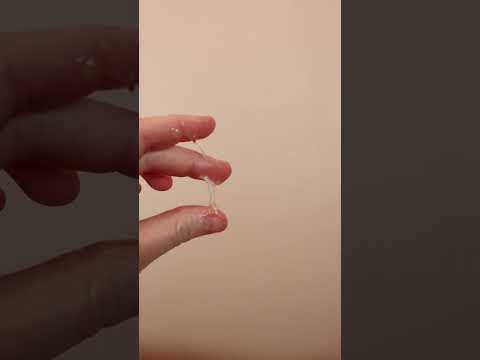
After ovulation, our bodies go through some changes because of hormones. So, it’s totally normal for you to notice a difference in your discharge. It can go from being pretty thin and stretchy—like egg whites—when you’re fertile, to a thicker or creamier consistency afterward. That might sound weird at first, but your body has its own way of communicating with you.
Some women experience more discharge than others, and hey, it’s not just about pregnancy! Many things can influence this – hormonal fluctuations during your cycle or even stress levels can play a part. You might find yourself wondering if it’s a good sign or if something’s off. And that’s okay!
If you’re keeping track of your cycle while trying to conceive (or even just for fun), paying attention to these little details can help you understand what’s happening with your body. It feels empowering to know these things! But remember: if anything seems off or you’re really concerned about changes in discharge—or any other symptoms for that matter—it’s always best to chat with a healthcare provider.
So anyway, navigating this whole pregnancy thing isn’t just about timing; it involves tuning into all the signs from within too! Lily learned that understanding her body helped center her during what could be such an emotional journey. I mean, the more informed you are about how your body works, the better prepared you feel for whatever comes next!
