

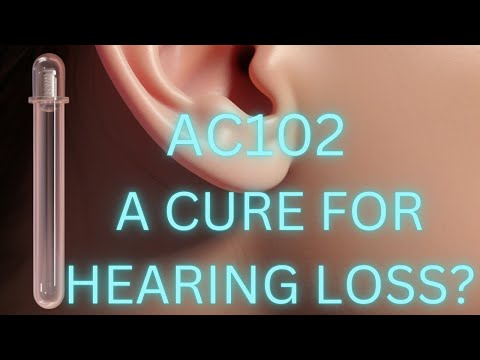
Hey there! Let’s chat about something super important yet often overlooked: ear health. Sounds funny, right? But seriously, our ears do a lot for us.
Think about it. They help you enjoy your favorite music, catch up with friends, or even hear your pet’s little pitter-pat around the house. Crazy how much we rely on them!
Now, here’s the scoop: new medications are changing the game when it comes to keeping our ears in tip-top shape. And trust me; this isn’t just boring medical stuff. It’s exciting and could really impact how we handle ear issues.
So grab a snack and settle in! We’re diving into some of this cutting-edge stuff that could revolutionize ear health as we know it. Ready? Let’s go!
Exploring the Breakthrough Drug That Restores Hearing: What You Need to Know
Alright, let’s dive into something that has been buzzing in the health world lately. We’re talking about a breakthrough drug that’s catching everyone’s attention for its potential to restore hearing. Yeah, you heard me right!
So, here’s the deal: researchers have been working hard on this new medication that they say could help people with hearing loss. It’s pretty exciting stuff because hearing loss isn’t just about not being able to hear music or your friend calling your name. It can seriously impact daily life and your mood too, you know?
When I think about hearing loss, I remember my granddad. He was always missing out on family gatherings because he couldn’t hear what everyone was saying. It made him feel left out and lonely…and who wants that? So this drug might just change lives!
Now, what’s so special about this drug?
- It targets specific cells in the inner ear that are responsible for hearing.
- The hope is to regenerate those cells or repair them so people can hear better.
- This approach is different from traditional methods like hearing aids, which help amplify sound but don’t actually fix the issues inside the ear.
Alright, so how does it work? Well, researchers are looking at using different types of medications—some might be gene therapies or even stem cell treatments! They want to kick those tiny hair-like cells in your ears back into action because they play a huge role in how we perceive sound.
But here’s a heads-up: while this sounds super promising, it’s still in the research phase. There are clinical trials happening which means scientists are testing it on people to see how effective—and safe—it really is. So if you’re thinking about jumping on this bandwagon right away, hold your horses! It’s essential to let science do its thing.
What should you keep in mind?
- This isn’t a magical pill ready for everyone yet.
- Like any new treatment, risks and side effects need to be fully understood.
- Always have open conversations with healthcare professionals before getting too excited!
Anyway, it feels kinda hopeful thinking there may be options out there for improved ear health down the line. But remember—while we can stay tuned and optimistic about these developments, they don’t replace regular check-ups or expert healthcare advice!
Exploring Cutting-Edge Treatments for Hearing Loss: Innovations and Advances in Audiology
Hey there! Let’s chat about some really exciting stuff happening in the world of hearing loss. You know, it can be tough when you or someone you love has trouble hearing. The whole experience can feel isolating, but guess what? There are some groundbreaking innovations in audiology that might bring some hope.
First off, gene therapy is making waves. Scientists are figuring out how to tweak our genes to help with hearing. It’s like sending in a repair crew for your ears! Imagine if getting your hearing back was as simple as a tiny injection. That’s the future they’re aiming for.
Then we have formulations of new medications. These aren’t just any meds; they’re being designed to help protect and even regenerate cells in the inner ear. So, when sound waves hit your ear drum, maybe those meds could give you a boost in how well you hear them!
Also, cochlear implants aren’t new, but they’ve taken a huge leap forward lately. With tech evolving so fast, these devices are becoming more sophisticated. They can now connect with smartphones and other gadgets, making it way easier to listen to music or talk on the phone without missing a beat.
And oh! There’s this cool thing called sound therapy. This approach uses different sounds and frequencies to train your brain to decode what you’re hearing better. It’s like having a personal trainer for your ears!
Lastly, let’s not forget about smart hearing aids. These little wonders have transformed over the years! They’re now equipped with AI that learns your preferences and adapts in real-time to different environments—whether you’re at a party or chilling at home.
It’s all super fascinating stuff! But remember: while these innovations are encouraging and exciting, it’s important to talk to healthcare professionals if you’re experiencing any hearing issues. They can guide you on what might work best for you because nothing beats personalized advice from an expert.
At the end of the day, staying informed about these advancements is key. Let’s keep our fingers crossed for more breakthroughs ahead!
Understanding the Possibility of Reversing Ear Damage: What You Need to Know
So, let’s chat about ear damage, huh? You might be wondering if it’s possible to reverse some of that wear and tear. Well, it turns out there are some pretty cool advancements happening in ear health that are worth talking about.
First off, ear damage can happen for various reasons. It might be from loud music, aging, or even certain medical conditions. The tricky part is that our ears have a pretty limited ability to heal themselves. That’s why researchers are looking into new medications and treatments.
There’s this exciting stuff called gene therapy. Seriously, I know it sounds like sci-fi! But scientists are exploring ways to fix the genes that cause hearing loss or damage. Imagine correcting the underlying problems instead of just managing symptoms. Mind-blowing, right?
Another area getting attention is regenerative medicine. This basically means using your body’s own cells to repair damaged tissues. For your ears, that could involve stimulating the growth of hair cells in the cochlea—those little guys are crucial for hearing but get damaged easily.
Now let’s not forget about medications. Some new drugs aim to protect ear cells from damage caused by loud noises or infections. They can potentially keep your ears safe from further harm while also allowing them to recover.
But here comes the real talk: while these advancements sound promising and may change the future of ear health, we’re still kinda in the early stages of all this research. It’s super important to keep talking with healthcare professionals because they know best how these options fit into individual situations.
So what should you take away from all this? The potential for reversing ear damage is looking brighter than ever thanks to cutting-edge research in medications and therapies. But remember, this doesn’t replace professional advice! Always keep those chats going with your doctor if you have concerns about your ears—you won’t regret it!
Exploring the Latest Advances in Hyperacusis Treatment: What You Need to Know
Hyperacusis, huh? It’s that annoying condition where everyday sounds seem way too loud—like, someone chewing can feel like a marching band in your head. You may know someone who struggles with this or maybe you’ve experienced it yourself. The thing is, scientists and researchers are diving deeper into this issue than ever before.
Recently, **researchers have been working on new medications** that target hyperacusis more effectively. These aren’t your usual over-the-counter painkillers or allergy meds; we’re talking about fancy-targeted therapies designed to help recalibrate how your brain processes sound. Pretty wild, right?
Some of these **cutting-edge treatments** are aimed at reducing the sensitivity of the auditory system. Imagine your ears being like a volume dial that’s stuck on max; these treatments might help dial it down a notch so you can enjoy life without feeling overwhelmed by noise.
There’s also been movement in the direction of using **cognitive-behavioral therapy (CBT)** alongside new meds. Combining mental strategies with medication can aid in coping better with those pesky loud sounds. Think of CBT as training for your brain—just like you’d train for a marathon but with less running and more thinking!
Another area being explored is the use of sound therapies, which focus on using specific frequencies that may help desensitize your ears over time. This is kinda like how some people get used to a song they didn’t initially like—it just takes some time and repetition.
In summary, though hyperacusis can be frustrating, there’s hope! Advancements in treatments are coming out all the time. But remember: Always consult a healthcare professional to chat about what works best for you individually; nobody knows your ears better than you do (and maybe they do know a little bit more!).
So here’s what you should take away:
- New medications are being developed specifically for hyperacusis.
- Combining cognitive-behavioral therapy with medications could be beneficial.
- Sound therapies may help retrain how we hear.
Keep an ear out for new developments and take care of yourself!
You know, when we talk about ear health, it often seems to get overlooked. I mean, most people don’t even think about their ears until something goes wrong. I remember a time when my best friend Sarah had a terrible ear infection and couldn’t hear out of one ear for days. She was so frustrated! I could see how much it impacted her life—missing conversations, feeling isolated. It really opened my eyes to the importance of keeping our ears healthy.
Now, speaking of ear health, have you heard about the new medications coming out? Seriously, it’s like we’re living in a sci-fi movie! These days, researchers are diving deep into ways to treat everything from hearing loss to balance disorders with cutting-edge meds that were almost unimaginable just a few years ago.
One thing that really blows my mind is how innovative treatments can actually restore hearing or even help prevent further damage. There are experimental drugs out there that target specific conditions. For example, some aim to protect those tiny hair cells in your ears that are crucial for hearing. It’s not just about dealing with problems once they happen anymore; folks are starting to think ahead!
But here’s something else: while these advances sound super exciting—and they are—there’s still so much more we need to learn about long-term effects and safety. We want our ears to stay in good shape without any weird side effects down the line, right? Trust me; it’s important not to forget that these developments should always be combined with professional healthcare advice.
Anyway, keeping an eye on all this progress makes me hope for healthier solutions in the future. I mean—imagine a world where no one has to suffer from hearing issues like my friend did! How cool would that be? But until then, let’s keep chatting about ear health and remind ourselves how vital it is for our overall well-being!
