

Hey there! Have you ever found yourself stuck in a waiting room, flipping through the same old magazines while waiting for your appointment? Boring, right? Well, guess what? There’s a whole new way hospitals are getting their act together!
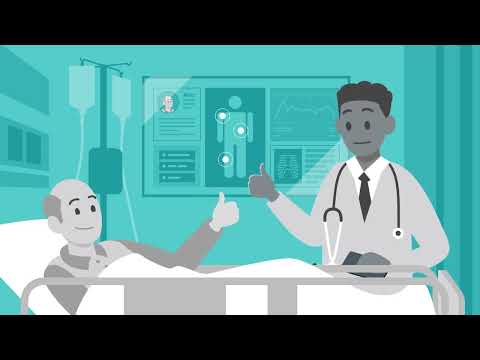
Electronic Patient Records are shaking things up in healthcare. They’re like digital superheroes swooping in to save the day! Imagine your doctor having instant access to your medical history, allergies, and treatments—all on a computer screen. No more lost paperwork or mix-ups. Just smooth sailing.
In this chatty little piece, we’re diving into how these records are transforming the healthcare scene today. It’s not just about tech; it’s about making your health experience way better. So grab a snack, get comfy, and let’s dig into this exciting topic together!
Understanding the Main Purpose of Electronic Health Records in Modern Healthcare Systems
So, let’s talk about Electronic Health Records (EHRs). They’re basically the digital version of your paper health records. You know how your doctor used to flip through folders filled with papers? Well, now it’s all online! This shift has made a big difference in how healthcare works today.
The main purpose of EHRs is to make healthcare more smooth and efficient. They store a ton of important patient information in one place, making it super easy for healthcare providers to access. Imagine if you needed to visit a specialist; instead of dragging along a stack of old papers, your new doctor can just pull up your records on their computer!
Here are some key points about why EHRs matter:
- Improved Coordination: Doctors, nurses, and other providers can share information easily. This means everyone involved in your care is on the same page.
- Better Accuracy: With everything typed up rather than scribbled down, there’s less chance for mistakes. Plus, you can update records quickly if anything changes!
- Easier Tracking: EHRs can also help track things like medications or lab results over time. It’s like having a health history that keeps getting updated!
- Patient Engagement: Many systems let you see your own records too! It helps you stay informed about your health—and who wouldn’t want that?
I remember when my friend had surgery last year. He had to go through so many doctors before it happened, but with EHRs, he didn’t have to keep explaining his entire medical history over and over again. Every doctor could see what was going on without the usual hassle—that was a huge relief!
It’s pretty clear that EHRs play an essential role in modern healthcare systems. While they don’t replace professional healthcare or personal touch from providers, they definitely help make things smoother for everyone involved.
The thing is, as much as we love technology making life easier, always consult with your doctor for any health decisions you’ll be making. Got it?
The Shift to Electronic Health Records: Understanding the Transition in Medical Documentation
So, let’s chat about electronic health records, or EHRs for short. You know, those digital versions of your paper medical records? The healthcare world is buzzing about this shift from paper to digital, and it’s a pretty big deal!
Think about it: remember the last time you had to fill out a form at the doctor’s office? You probably spent a few minutes just trying to remember your past medical history. Well, EHRs aim to change all that. With everything stored electronically, doctors can access your info quickly and easily when you need care. No more searching through stacks of papers!
Now, here are some key points about this whole transition:
- Better Coordination: Imagine if every doctor you see could share notes about your health with one another. That’s what EHRs can do! They help various healthcare providers stay on the same page.
- Less Paperwork: Honestly, less paperwork means less hassle. You won’t have to fill out the same forms over and over again. It’s like magic!
- Improved Safety: Errors can happen with handwritten documents, right? EHRs reduce misinterpretations since everything is typed and clear.
- Easier Access: You might even be able to check your health info online! Some systems let patients access their records anytime.
It’s super important to remember though that while these systems bring tons of benefits, they’re not perfect. Sometimes tech fails or gets updated in ways that are confusing — we’ve all been there.
A friend of mine shared her experience when she switched over to an EHR system at her clinic. At first, she felt overwhelmed by all the changes; it was so different from what she was used to! But after a few appointments, she realized how much smoother everything flowed. Her doctor had her info right at their fingertips; no more waiting around while they flipped through files.
The thing is that these systems don’t replace good old-fashioned care from healthcare professionals; they just make things run a bit smoother and quicker. So next time you’re at the doctor’s office and see them clicking away on their computer instead of rifling through papers, you’ll know why!
At the end of the day, as cool as electronic health records sound, it’s still super important to have real conversations with your healthcare provider about your health needs!
Comprehensive Timeline of the History of Electronic Health Records: Key Milestones and Innovations
Sure thing! Let’s dive into the story of Electronic Health Records (EHR) and see how they’ve changed healthcare. It’s a wild ride, really.
1960s: The Beginnings
So, back in the ’60s, computers were starting to pop up everywhere. Hospitals began experimenting with computerized patient records. Imagine having a thick folder full of papers for your health info, and suddenly someone says, “Hey, let’s put this in a computer!” Crazy times!
1970s-1980s: Early Systems
Throughout the ’70s and ’80s, health tech folks were busy developing early EHR systems. They weren’t super user-friendly though. Think of these systems like using dial-up internet—slow and not always reliable! But they laid the groundwork for what was to come.
1991: The First Big Push
In 1991, something big happened: the Institute of Medicine pushed for widespread use of EHRs. They believed it could improve patient care and safety. It was like a wake-up call for everyone in healthcare!
2004: Federal Support
Fast forward to 2004 when President George W. Bush set a goal to have electronic health records widely adopted by 2014. This was huge! Suddenly, there was money flowing into tech developments.
2009: HITECH Act
Then came the HITECH Act in 2009, which offered financial incentives to healthcare providers who went digital with their records. This gave many hospitals that final nudge they needed to transition from those old paper files.
2014: Milestone Achieved
By 2014, about 50% of doctors were using EHR systems! It felt like every clinic had stepped into the digital age. Just think about all that info easily accessible now—it’s pretty mind-blowing!
2020s: Modern Innovations
Now we’re in the 2020s! EHR systems have come a long way with amazing features like telehealth integration and mobile access. You can check your health info right from your phone while sipping coffee at home—super convenient!
And let’s not forget about data security. As we collect more data digitally, keeping that info safe is so important too.
So here we are today—a world transformed by Electronic Health Records! It’s been quite an evolution from those first clunky computers to everything we have now. Exciting stuff ahead for sure!
The Evolution of Electronic Health Records: Exploring Their Advantages and Disadvantages
So, you might have heard a lot about **electronic health records** (EHRs) lately. They’re kinda like the digital version of your medical file. Instead of paper charts piling up in cabinets, everything’s stored on computers now. Pretty cool, right? With EHRs, your doc can pull up your health info in a snap instead of flipping through papers. This is a game changer for many reasons!
Advantages of Electronic Health Records:
- Easy Access: Doctors and nurses can access your records quickly, even if they’re in a different location. No more hunting down files!
- Improved Coordination: If you see multiple specialists, they can all see the same information about your health, which means fewer mix-ups.
- Patient Engagement: Many EHRs let you access your own records too! You can track appointments or lab results without calling the office.
- Reduced Errors: Automated systems help catch mistakes that might happen with handwritten notes.
But it’s not all sunshine and rainbows. There are some downsides too.
Disadvantages of Electronic Health Records:
- Privacy Concerns: Just like any digital info, if it’s not secured properly, it’s vulnerable to hacking or breaches.
- User Frustration: Sometimes the software can be clunky or confusing for doctors to use—like trying to assemble IKEA furniture without instructions!
- Costs: Setting up an EHR system can be expensive for hospitals and clinics, which might affect how much they spend on patient care.
- Lack of Personal Touch: With screens to stare at, sometimes doctors may seem less engaged during visits. It’s like talking to someone who’s more interested in their phone than you.
I remember when my grandmother had to switch to an EHR system at her clinic. At first, she was super confused and worried her info would get lost in cyberspace. But once she got used to it and saw how fast the doctor could pull up her records, she was a fan! It made her feel like healthcare was more modern and efficient—and honestly, that’s what we all want.
So yeah, EHRs are transforming healthcare in big ways. They have their ups and downs just like anything else in life. If you’re curious about how your own healthcare provider uses them or what this means for you personally, don’t hesitate to ask them! Just remember that this info doesn’t replace professional healthcare advice—always check with a pro if you’ve got questions about your health!
You know, it’s kinda wild how far we’ve come with this whole electronic patient record thing. Just think about it for a second: not too long ago, a visit to the doctor meant flipping through mountains of paper files, and honestly, some of those charts looked like they’d been through the wars. My buddy Mark once recounted a time he had to wait ages at his doctor’s office just because they couldn’t find his file. I mean, how frustrating is that?
Now, fast forward to today. Electronic patient records—or EHRs as the cool kids call them—are changing the game. With everything stored digitally, doctors can access your medical history in seconds instead of digging through piles of paper. It’s like having your health info on speed dial! Seriously, I can’t tell you how many times I’ve overheard docs saying they can spot potential issues just by glancing at someone’s digital record.
But here’s the thing: while it sounds great in theory, there are definitely some bumps along the way. Like privacy concerns—people worry about who has access to their info or if it’s safe from hackers. And let’s be real; as awesome as tech is, not everyone knows how to use it effectively (ever seen an elderly person trying to navigate a touchscreen? Yikes!).
On top of that, sometimes these systems are overloaded or glitchy. You know how frustrating it is when your app crashes right before you’re about to book something important? Well, imagine that happening in a doctor’s office when you’re waiting for results or treatment plans.
At the end of the day, electronic records have so much potential to streamline things and put patients at the center of care. It brings me hope that maybe one day we won’t have horror stories about lost files or mix-ups during treatments because everything will be neatly organized and easily accessible.
So yeah, even with its quirks and challenges, I’m excited for what’s next in healthcare tech! Just imagine being able to track your health seamlessly from home or having all your important information analysis done automatically—oh man! That’d be something else! Anyway, cheers to progress—even if it’s a little bumpy along the way!
