

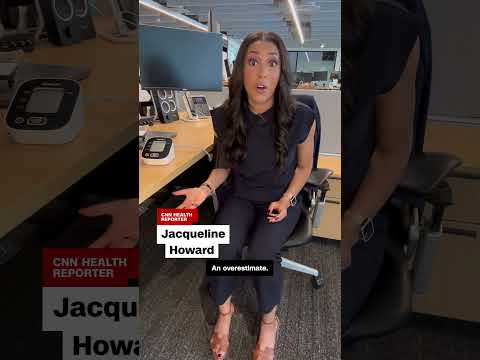
Hey there! So, let’s talk about something that’s kinda creeping up on a lot of us these days: high blood pressure. Seriously, it’s like that annoying friend who overstays their welcome. But here’s the thing—you don’t have to just sit back and take it.
Now, I know what you might be thinking: “Ugh, managing blood pressure sounds so boring!” But hold on! What if I told you there are some super cool smart tech solutions out there? Yeah, you heard that right. Imagine using gadgets and apps to help keep your blood pressure in check.
It’s not just about the old-school methods anymore; we’re living in a tech-savvy world where health can feel a little more manageable. So let’s dive into how you can take charge with some nifty tools right at your fingertips!
Smartwatches vs. Blood Pressure Cuffs: Can Wearable Technology Take Over?
So, let’s talk about blood pressure monitoring and the gadgets we use to keep tabs on it. It’s pretty crazy how technology has made its way into our daily health routines. One question that often comes up is whether smartwatches can really take over the job of traditional blood pressure cuffs. Here’s a little breakdown for you.
Smartwatches have become like mini computers on our wrists, right? They can track steps, heart rate, sleep patterns, and some even offer blood pressure readings. But here’s the catch: while they can give you a general idea of your heart health, they’re not exactly as precise as those good old-fashioned blood pressure cuffs.
On the other hand, blood pressure cuffs are designed specifically for that purpose. They’ve been around for ages and are pretty reliable when it comes to getting accurate readings. You know how they work—slip it on your arm, press a button, and voilà! But they can feel a bit bulky and not quite as convenient when you’re on the go.
Here are some things to consider:
- Accuracy: Blood pressure cuffs are usually more accurate than smartwatches.
- Convenience: Smartwatches offer a quick glance at your heart health without needing extra equipment.
- Data Tracking: Smartwatches collect tons of data over time. You can see trends in your activity and heart rate.
- User-Friendly: You wear them all day; easy to check whenever you want!
Now, let me put this into perspective with a story. My friend Sarah has high blood pressure; she relies on her cuff to get those vital numbers. But last summer, while training for a 5K, she got herself a smartwatch too—mainly for tracking her runs. To her surprise, she found it super helpful! It was so cool to see not just how fast she was running but also how her heart rate reacted during workouts. But she still checks her BP with the cuff regularly because accuracy matters!
So really, while smartwatches bring convenience and extra features to the table—or wrist!—they don’t completely replace the traditional methods yet. If you’re keeping an eye on your blood pressure or overall health, it’s probably best to use both together! Make sense? Remember: whatever gadgets you choose to use won’t replace professional healthcare advice. Always consult with someone who knows their stuff when it comes to your health!
Evaluating the Accuracy of Blood Pressure Measurement in Smartwatches
So, you’ve got a smartwatch on your wrist, and it’s telling you all about your health. Pretty cool, right? But when it comes to blood pressure measurement, how accurate is that gadget really? Let’s chat about that!
First off, blood pressure is super important. It tells us how hard our heart is working to pump blood through our body. High blood pressure can lead to serious problems down the line. So, knowing where you stand with those numbers is crucial.
Now, smartwatches have stepped up their game by offering pretty neat features like tracking your heart rate and estimating your blood pressure. But here’s the kicker: not all smartwatches are created equal when it comes to accuracy!
- Calibration: Some devices need to be calibrated against a medical-grade machine to give you decent numbers.
- Technology: The tech used in the watch plays a big role. Optical sensors are common but can sometimes be less accurate than a traditional cuff.
- User Error: How you wear that thing matters! If it’s too loose or too tight, the readings could be off.
- Aging and Health Conditions: Factors like skin temperature or movement can totally mess with readings.
I remember this one time when my friend was convinced her smartwatch told her she had high blood pressure after a workout. Turns out, she just needed to sit still for a bit! It just shows how conditions at that moment can influence these readings.
The thing is, while smartwatches are handy for tracking trends over time—you know, whether you’re getting better or worse—they shouldn’t replace a visit to your doctor. Regular check-ups with professional equipment are still key.
You see? Smartwatches can give you good insights into your health journey but take those readings with a grain of salt. They’re just one piece of the puzzle! Always consult healthcare experts if you’re worried about your blood pressure or anything else health-related.
Advanced Smart Watch with Integrated Blood Pressure and Heart Rate Monitoring Features
So, you’ve probably seen those fancy smartwatches that do way more than just tell the time, right? Well, some of them are now coming with integrated blood pressure and heart rate monitoring features. It’s pretty cool stuff, and it’s making waves for people who want to keep an eye on their health.
The thing is, high blood pressure can be a big deal. If you’re like my buddy Mark, who never seemed to notice how stressed he was getting, these gadgets can be super helpful. He started using a smartwatch that tracks his heart rate and blood pressure in real-time. Suddenly, he was aware of how his body responded to stressors throughout the day.
Here are some key points about what these watches can do:
- Continuous Monitoring: They keep track of your heart rate and blood pressure all day long. So instead of waiting for that doctor’s visit, you get to see how your body reacts in real life.
- Alerts and Notifications: If your levels go outta whack—boom! You get alerted right away. This means you might catch an issue before it becomes a bigger problem.
- User-Friendly Interface: Most apps are easy-peasy to navigate. You don’t need a degree in rocket science to understand your stats.
- Trends Over Time: These watches often show you trends, so you can see if your numbers are improving or worsening over time.
But remember, while these watches are nifty tools, they’re not a substitute for seeing a healthcare professional when needed. Your doc is still the go-to person for any serious concerns or questions about your health.
In essence, if you’re looking for something that might help keep track of elevated blood pressure in conjunction with a healthy lifestyle—hey! These smartwatches could be worth considering. Just make sure to use them as part of a broader approach to looking after yourself!
Top Smartwatches for Accurate Blood Pressure Monitoring in 2023
So, hey there! Let’s talk about something that’s become super popular: smartwatches, especially for keeping an eye on blood pressure. I mean, tech is just getting smarter and smarter, right? If you’re someone who needs to monitor your blood pressure regularly, these gadgets could be pretty handy. Just remember, they’re not a substitute for professional care!
First off, what do you need to know about these smartwatches? Well, they can track your heart rate and give you an idea about your blood pressure. Pretty neat, huh? But always keep in mind that accuracy can vary.
Here are some of the top contenders for 2023 when it comes to smartwatches that can help you with blood pressure monitoring:
- Apple Watch Series 8: This watch is known for its advanced health features. It has a Blood Oxygen app and heart rate sensor but remember—blood pressure reading might need to be paired with other devices.
- Samsung Galaxy Watch 5: This one brings a ton of health features too. It has an easy-to-use interface and some solid sensors that help track various parameters.
- Amazfit Bip U Pro: If you’re looking for something budget-friendly yet reliable, this is a great option! It offers heart rate monitoring and can sync data with health apps.
- Garmin Venu 2: Known for its fitness tracking capabilities, this watch offers stress tracking and can also integrate with third-party apps for more detailed health insights.
Using one of these watches can make it easier to keep up with your health goals. You get notifications directly on your wrist—so no more fumbling around for your phone! And there’s something really cool about being able to see those numbers throughout the day.
Now let me tell you something personal. My buddy Mark started wearing a smartwatch a few months ago because he was feeling some stress at work. He thought it might help him keep track of his heart rate and just chill out whenever he saw those numbers going up. Guess what? Just having the watch made him more aware of his health. He started taking short breaks to breathe or stretch whenever he felt overwhelmed.
That’s what it’s all about—being in tune with yourself! Smartwatches aren’t miracle workers but they sure can provide insights into how you’re doing day-to-day. So if you’re curious, why not check one out? Just remember: always consult with healthcare professionals for any serious questions or concerns.
So anyway, go ahead and explore those options! Keeping tabs on things like blood pressure has never been cooler or more convenient.
You know, it’s kinda wild how far technology has come in terms of health management. Like, just a few years ago, if I wanted to keep an eye on my blood pressure, I’d have to visit the doc or buy one of those bulky machines that looks like it’s from the 90s. Now? We’ve got smart tech at our fingertips!
I remember when my dad got diagnosed with high blood pressure. It was tough watching him try to make lifestyle changes. He used to be a real soda junkie! One day, I brought him a smartwatch that tracked his heart rate and gave reminders for his meds. At first, he was skeptical—like who needs yet another gadget telling them what to do? But then something clicked for him. He started getting all into data—like “Whoa, my heart rate spiked after that spicy taco!”
Seriously though, these smart devices don’t just track your numbers; they kind of empower you. You can see trends and patterns in your blood pressure readings right on your phone! And they can sync with apps that offer tips on diet or exercise tailored to you. It’s like having a little health coach in your pocket.
Not to mention, some tech even helps you connect with your healthcare providers in real-time. Imagine sending your readings straight to your doc without even stepping foot in an office! That takes away so much stress and makes checking in way more manageable.
Of course, while tech is super handy and all that jazz, it’s good to remember it’s not a replacement for talking to health professionals. You still need their guidance! What I love about all this is how it’s making health more accessible and personal.
So yeah, if you or someone you love is dealing with high blood pressure, those smart gadgets might just be the encouragement you need. Just think: a nifty watch or app can help track those numbers without feeling like an extra chore! Honestly? It feels pretty great knowing we have ways to own our health journey—and maybe make it a little bit fun too along the way!
