

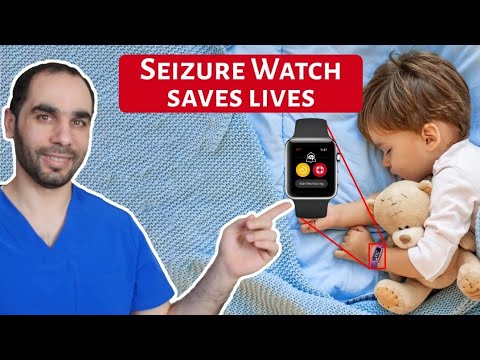
Hey there! Ever had one of those moments when you just wish technology would swoop in and save the day? Well, if you or someone you love deals with epilepsy, you’re in for a treat.
SeizureAlert is shaking things up in how we manage epilepsy. Imagine a world where tech gives you peace of mind. It’s not some sci-fi fantasy; it’s happening now.
This little device isn’t just smart; it could actually change lives. It’s all about keeping track of seizures and keeping loved ones informed without sounding like a robot. Seriously, how cool is that?
Let’s dive into how SeizureAlert works and why it’s become a game changer for folks living with epilepsy!
Revolutionizing Epilepsy Management: The Impact of Wearable Digital Health Technology
So, let’s chat about something pretty cool happening in the world of epilepsy management—wearable digital health technology. You’ve probably seen fitness trackers or smartwatches, right? Well, these gadgets are stepping up their game and helping folks with epilepsy manage their condition in ways we never really imagined.
SeizureAlert is one example of this tech revolution. It’s a system designed to help detect seizures and alert caregivers when they’re happening. Imagine this: you’re out with friends, feeling good, but you have a seizure history. With something like SeizureAlert, your loved ones can get notified instantly without you having to worry as much!
Now, how does it work? Basically, these devices use sensors to monitor your body’s movements and other signals. They’re like having an extra pair of eyes on you—you know? If they notice something off or different in your activity patterns, they send out an alert. People report feeling more secure knowing help is just a ping away.
Here are some key points about what makes this tech so great:
- Real-time alerts: Caregivers can be notified right away when a seizure happens.
- Data tracking: Many wearables keep track of patterns over time. This can help doctors understand your condition better.
- Peace of mind: For both the person living with epilepsy and their families—it eases anxiety surrounding seizures.
- User-friendly: These devices are designed to be easy to use and integrate into daily life.
Of course, while these tools can be super helpful, they’re not a replacement for professional healthcare or advice. It’s always important to chat with healthcare providers about what’s best for you.
As someone who’s spoken with people dealing with epilepsy, I’ve seen how technology like this can really change lives. A friend of mine told me how she felt free again after getting her smartwatch—it gave her the confidence to go out without constantly worrying about where her family was if anything went wrong.
So yeah, wearables are definitely making waves in epilepsy management! They’re not just gadgets; they’re tools that empower people and open up new possibilities for living life fully. Just remember that while tech is a great helper, it’s all about finding the right balance with professional support!
Revolutionizing Epilepsy Management: The Latest Innovations in Technology
Well, you know, epilepsy is one of those conditions that can really shake things up for folks living with it. And managing seizures, which are a big part of epilepsy, has always been super important. Here’s where technology comes in to give a helping hand.
SeizureAlert is one of the cool innovations that aims to make life easier for people with epilepsy. This tech basically helps to keep track of seizures in real-time. Just imagine having a tool that can alert someone when a seizure happens! It’s like having a buddy looking out for you 24/7.
Now, let’s chat about some key points regarding these tech innovations:
- Wearable Devices: Many devices go on your wrist or as part of clothing. They monitor your movements and can detect patterns that might signal a seizure.
- Smartphone Apps: Some apps allow users or caregivers to log seizure activity, which can be super helpful for doctors later on.
- Alerts and Notifications: If a seizure occurs, the device can send alerts to caregivers via text or notifications. This means help can arrive quicker!
- Data Tracking: By recording information about seizures, these technologies help create patterns in what triggers them and how often they happen.
Seriously, this kind of stuff can change lives! Imagine being able to go out with friends without constantly worrying if something might happen because someone will be alerted if you need help.
Of course, while these tools are fab and can really help manage epilepsy better, they shouldn’t replace professional healthcare or advice from doctors. Tech is just one piece of the puzzle when it comes to handling health issues. So always keep your healthcare provider in the loop!
Anyway, isn’t it amazing how technology brings us closer to more effective ways of managing conditions like epilepsy? It’s like stepping into the future—one innovation at a time!
Revolutionizing Epilepsy Management: The Future of Wearable Devices for Seizure Monitoring
Hey there! Let’s chat about something really cool: how tech is shaking things up for people with epilepsy. You know how we can track our steps or heart rate? Well, now there are **wearable devices** doing something similar for seizure monitoring. Pretty neat, huh?
So, what’s the deal with these gadgets? They’re designed to help keep an eye on seizures. The idea is to catch them early or even predict when they might happen. How does that work? Well, these devices usually track things like movement and heart rate. When they detect unusual patterns, they can alert you or someone nearby. This is super important because it can help ensure safety during a seizure.
- Real-time Monitoring: These devices give you instant updates about your body’s signals.
- Notifications: If a seizure happens, it can send alerts to caregivers.
- Data Tracking: Users get detailed records of their activity, which helps in understanding patterns.
Let me just share a quick story. A friend of mine has a brother with epilepsy. He wears one of these devices. One day, the device went off while he was at school. The teachers got alerted instantly and were able to help him right away! It made such a difference for everyone involved.
But here’s the thing: While these wearables are amazing tools, they don’t replace talking to healthcare pros. It’s always best to have expert advice tailored just for you or someone you love who has epilepsy.
It’s exciting to think about how tech like this will evolve over time. Who knows? Maybe someday we’ll have even more advanced gadgets that make managing epilepsy even easier! So keep an eye out; the future looks bright and promising!
You know, when I think about the advancements in technology, especially when it comes to health, it can be pretty mind-blowing. Take SeizureAlert, for example. I remember hearing about a friend’s cousin who has epilepsy. She often worried about having a seizure while she was alone or even during class. The anxiety around that? Just heartbreaking.
SeizureAlert is one of those cool tech ideas that seem like they could really change the game for people with epilepsy and their families. It’s like having a safety net or a buddy always watching out for you. This gadget uses sensors to detect any unusual activity that could signal an impending seizure and then sends alerts to caregivers or loved ones—like your phone buzzing when your buddy texts you to check in.
Imagine how comforting it must be for those living with this condition! No more feeling like you’re walking on eggshells all the time. It’s this mix of empowerment and relief wrapped up in one little device. And let’s face it: we live in an age where tech can do so much more than just entertain us—it can save lives.
But here’s the thing: as amazing as SeizureAlert sounds, it doesn’t replace proper medical care or supervision, right? It’s more like an added layer of support—kind of like wearing a helmet while riding your bike. You still need to follow rules and wear your helmet, but this just makes it safer and gives you peace of mind.
So yeah, tech is revolutionizing how we think about managing health conditions like epilepsy. It’s not just about the device itself but what it represents—a world where individuals feel more secure and supported in their everyday lives. That shift is pretty exciting if you ask me! The possibilities are endless when we blend compassion with innovation; it’s all about helping people live their best lives!
