

Hey there! So, have you ever thought about how tough it must be to deal with something like esophageal cancer? Yeah, I can’t even imagine. It’s one of those things that can sneak up on you and totally change your life.
But guess what? There’s been some really cool stuff happening in the world of treatment and care for this kind of cancer. Seriously! Doctors and researchers are working hard, coming up with innovative solutions that make a difference.
From new therapies to more personalized care, there’s a lot we can talk about. And though this might sound heavy, it’s super important stuff that affects real people. So let’s dig in together and shine a light on what’s going on in the esophageal cancer treatment world!
Top Hospitals for Advanced Esophageal Cancer Treatment: Comprehensive Care and Innovative Therapies
So, let’s chat about esophageal cancer. It’s one of those things that can sound super scary, right? But getting the right care is really important. Some hospitals stand out when it comes to advanced treatment options. Here’s a little breakdown of what to look for and some notable places.
Comprehensive Care
You want a hospital that doesn’t just focus on treating the cancer but looks at the whole person. That means addressing physical, emotional, and mental health too. The support from nurses, dietitians, and counselors can make a big difference in your journey.
Innovative Therapies
Some hospitals are really pushing the envelope with new treatments that go beyond traditional methods. These include things like targeted therapies—where they focus on specific characteristics of the cancer cells—and immunotherapy, which helps your own body fight the cancer.
Top Hospitals to Consider
If you’re looking for advanced treatment options, here are a few places known for their expertise:
- Mayo Clinic: They have a reputation for personalized care and innovative treatments.
- Cleveland Clinic: Known for their cutting-edge research and comprehensive services.
- Johns Hopkins Hospital: They offer specialized programs focused on esophageal cancer.
- Memorial Sloan Kettering Cancer Center: This place is all about innovative therapies and clinical trials.
What’s interesting is that these hospitals often collaborate with research institutions to stay at the forefront of new developments in treatment strategies.
Now here’s something to think about: deciding where to go isn’t just about finding top-notch treatment; it’s also about comfort. You want a place where you feel heard and supported. A good friend once told me how her journey through treatment became manageable because she trusted her team completely.
Take a minute to do some research or even visit these centers if you can; sometimes seeing is believing! Just remember, whatever path you choose, it should align with what feels right for you personally. And hey—no matter where you are in your journey, never hesitate to reach out for professional healthcare guidance!
Top Esophageal Cancer Treatment Centers Worldwide: A Comprehensive Guide
So, let’s talk about esophageal cancer for a sec. It’s one of those things that can really shake your world. If you or someone you know is facing this, finding the right treatment center can make a huge difference. You want a place that knows what it’s doing, right? Here are some of the top esophageal cancer treatment centers worldwide—just to give you an idea.
Memorial Sloan Kettering Cancer Center in New York is kind of a big deal when it comes to cancer care. They’ve got experts who specialize in esophageal cancer and use cutting-edge treatments, including immunotherapy and targeted therapies. People say they feel supported every step of the way.
Over in Houston, The University of Texas MD Anderson Cancer Center is known for its comprehensive approach. They focus on not just treating the cancer but also on making patients comfortable. Plus, they have clinical trials that offer access to new treatments.
Then there’s Cleveland Clinic in Ohio, where they combine state-of-the-art technology with a holistic approach to care. Their team looks at everything from nutrition to emotional support—a nice touch if you’re feeling overwhelmed.
Oh! And don’t forget about Johns Hopkins Hospital in Baltimore. They’re super renowned for their research and innovative techniques, plus their surgeons are often featured for their expertise in complex surgeries related to esophageal cancer.
Also worth mentioning is Royal Marsden Hospital in the UK; it’s really respected across Europe and offers access to cutting-edge clinical trials as well. Many people have found hope there when it felt like all else was lost.
So here’s the thing: finding the right center can be like searching for a hidden gem—some might feel like home while others might not click with you at all. Always remember: nothing beats talking with healthcare professionals who can guide you based on your personal situation and needs.
That being said—while this list is a good starting point—make sure you reach out to professionals about any specific questions or concerns you may have. After all, navigating this stuff alone isn’t easy!
Breakthrough Advances in Esophageal Cancer Treatment: Exploring Innovative Approaches
Hey there! Today we’re diving into something pretty important: advances in esophageal cancer treatment. It’s a serious topic, but don’t worry, I’ll explain it in a way that feels like we’re just chatting over coffee.
Esophageal cancer, as you might know, affects the tube that carries food from your mouth to your stomach. It can be tough to treat, but guess what? There are some innovative approaches that might help improve outcomes for patients. Let’s explore some of these!
1. Immunotherapy
This is like giving a boost to your body’s own defenses. It helps your immune system recognize and attack cancer cells more effectively. Imagine your immune system as a superhero squad that’s finally getting the powers it needs to fight off the villains!
2. Targeted Therapy
Here’s where things get interesting! Targeted therapy focuses on specific genes or proteins in cancer cells. It’s like using a sniper instead of a shotgun—very precise! This means less damage to healthy cells and potentially fewer side effects.
3. Minimally Invasive Surgery
Think about it: who wants major surgery if there’s an option that’s gentler? Techniques like laparoscopy allow doctors to operate with smaller incisions, which usually leads to quicker recovery times and less pain. It’s kind of like having keyhole surgery instead of the full door!
4. Clinical Trials
These are research studies that test new treatments and approaches before they become available more widely. Participating could mean getting access to cutting-edge therapies that aren’t out yet, which is both exciting and potentially life-changing!
I remember when my grandma was going through her own health battles; she always talked about how crucial it was for her doctors to stay updated on new treatments. It gave her hope—and honestly, isn’t that what we all want?
In closing (not trying to sound formal here!), while these treatments are promising, it’s super important to talk with healthcare professionals about what could be best for you or a loved one facing esophageal cancer.
It’s all about making informed choices together with your doctor because nobody knows your health better than you do! Stay curious, stay informed!
Understanding the Success Rate of Immunotherapy for Esophageal Cancer: Key Insights and Statistics
So, you’ve heard about immunotherapy for esophageal cancer, huh? It’s a pretty hot topic these days. Basically, it’s a type of treatment that helps your body’s own immune system recognize and fight cancer cells. Sounds cool, right? But if you’re trying to get a handle on the success rate and what it all means, I’ve got some key insights for you.
First off, let’s talk numbers. The success rate of immunotherapy can really vary based on different factors like the stage of the cancer and the specific type of therapy used. Some studies show that about **20-30%** of patients with advanced esophageal cancer could respond well to immunotherapy. That might sound low at first glance, but consider what it means for those individuals—the chance to fight back against something pretty daunting.
And then there’s the **duration** of response. For those who do respond positively, it can lead to longer-lasting benefits compared to traditional treatments like chemotherapy. Imagine having a treatment that not only shrinks tumors but also helps keep them at bay for longer periods!
Also, we can’t skip over the side effects. Just like any other treatment out there, immunotherapy comes with its own set of challenges. Some folks experience fatigue or skin rashes. It really depends on how your body reacts—a bit of a mixed bag.
Here are some key points to keep in mind:
- Individual Variability: Every patient’s response is different; some may do better than others.
- Combination Treatments: Sometimes doctors combine immunotherapy with other treatments to boost effectiveness.
- Ongoing Research: New treatments are always in development—there’s hope on the horizon!
It’s super important to chat with healthcare professionals about all this stuff because they can give you tailored insights based on personal health conditions and histories. Seriously though, getting informed is crucial but don’t forget that your doctor is your best resource.
So whether you’re exploring options for yourself or a loved one, remember that while **immunotherapy offers exciting possibilities**, it’s not a one-size-fits-all solution—and that’s totally okay! Stay curious and keep those conversations going!
So, let’s chat about esophageal cancer for a second. It’s not exactly the easiest topic to dive into, and I totally get that. You might have heard about it or maybe even know someone affected. I mean, it’s tough out there! But here’s the thing: when it comes to treatment and care, there are some pretty cool innovations happening that could give hope to many.
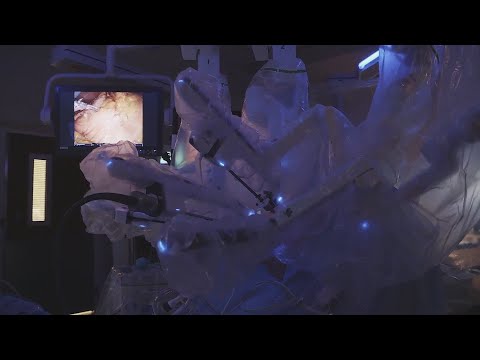
Just imagine this—years ago, treating something like esophageal cancer meant dealing with heavy surgeries and taxing therapies that could take a serious toll on your body. But recently? Wow! We’ve seen some incredible breakthroughs. For instance, minimally invasive surgery techniques are all the rage now. They’re using tiny cameras and instruments instead of going full-on “open up the chest” mode. I mean, who wouldn’t want a shorter recovery time and less pain?
And then there’s this whole vibe around personalized medicine! That’s where your specific genetic makeup gets put under the microscope to tailor treatments just for you. You know how everyone’s unique? Well, this approach really capitalizes on that. It’s like getting a custom-made outfit instead of something off the rack—so much better!
A friend of mine once shared her journey with esophageal cancer. She went through chemo and radiation, but things started looking up when her doctors introduced her to some newer treatment options focused on immunotherapy. It was like flipping a switch—suddenly she felt more hopeful about her journey, especially with side effects being less harsh than traditional methods.
And let’s not forget about support systems! Technology has also brought in telemedicine options that let patients connect with specialists right from their homes. Imagine having a doctor at your fingertips without needing to travel miles when you’re feeling low energy.
Anyway, while it can be heavy stuff to think about, the direction in which treatments are heading is genuinely promising. There are new ways popping up all the time! Although these advancements don’t change what patients go through entirely (and it doesn’t replace solid healthcare), they sure add some lightness in what can feel like an overwhelming experience.
So yeah, if you or someone you know is facing this battle, don’t lose heart! There are innovative solutions being developed every day that make a real difference in how we approach esophageal cancer care. It’s just one step at a time; things can get better!
