

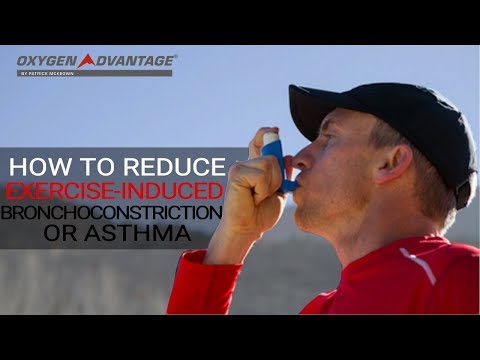
Hey there! Ever had that moment when you’re running, feeling great, and then—bam! Your lungs decide to throw a party, but without the fun? Yeah, that’s exercise-induced bronchoconstriction (EIB) for you. It can feel pretty rough, right?
But don’t sweat it. There’s some cool tech out there to help you breathe easy while you’re breaking a sweat. Seriously, who knew gadgets could have your back in the gym?
From smart inhalers to apps that track your breathing patterns, there’s plenty of stuff that can make working out way more enjoyable. Let me tell you about some of these nifty solutions so you won’t have to compromise your fitness goals anymore!
Optimal Treatment Options for Exercise-Induced Bronchoconstriction (EIB)
So, let’s talk about exercise-induced bronchoconstriction or EIB for short. It sounds fancy, but it basically means your airways get a bit tight when you hit the gym or go for that evening jog. You might feel a little wheezy, struggle to catch your breath, or even cough. Not exactly what you want when you’re trying to sweat it out, right?
The thing is, many people experience this—like my friend Mike. He thought he was just having an asthma flare-up after a long run! Turns out, he had EIB. Just because you’re breathing hard doesn’t mean something’s wrong with your lungs; sometimes they just need a little extra love during exercise.
There are several options that might help manage EIB:
- Warm-Up Properly: Taking some time to warm up can ease those tight airways before you dive into high-intensity workouts.
- Inhalers: A quick puff from an inhaler before hitting the pavement or the weight rack can make a difference. They help open up those airways.
- Avoid Triggers: If chilly air makes it worse, consider working out indoors or wearing a scarf over your mouth outside.
- Stay Hydrated: Drinking enough water helps keep mucus thin and those airways clear!
- Monitor Your Technique: Sometimes it’s all about how you breathe during exercise—try using your nose more than your mouth.
Breathe easy, right? But remember, it’s super important to talk with someone who knows their stuff—like a healthcare provider—if you think you have EIB or if anything feels weird during exercise.
The most important thing here is not to let EIB hold you back from doing what you love. With the right strategies and support, you can keep moving! Stay active and take care of those lungs!
Effective Treatments for Exercise-Induced Bronchospasm: A Comprehensive Guide
So, let’s chat about exercise-induced bronchospasm, or EIB for short. Ever feel like you just can’t catch your breath after a workout? You’re not alone! It affects a lot of folks, especially if you have asthma or allergies. The good news is, there’re some strategies that can help!
First off, understanding what happens is key. When you exercise, your airways can get a bit cranky. They might narrow down because of changes in temperature or humidity in the air you’re breathing. Sometimes it feels like you’re trying to suck air through a straw—definitely not fun!
Here are some approaches people often use to manage EIB:
- Warm-Up Properly: Taking time to gently prep your body for exercise can really make a difference.
- Breathe Through Your Nose: Seriously! This helps warm and humidify the air before it hits your lungs.
- Stay Hydrated: Drinking water helps keep your airways moist, which can lessen irritation.
- Avoid Extreme Weather: Those chilly or super hot days might trigger symptoms. Find a comfy spot indoors when possible!
- Use Inhalers as Needed: If you have one, using it before exercise can open up the airways. Just be sure to talk to your doctor about this.
If you’re tech-savvy, there are cool gadgets out there too! Some apps track your symptoms and even suggest workouts that are easier on those sensitive lungs. Pretty neat, right?
I remember my friend Sam was always an athlete but struggled with catching his breath during soccer games. After learning about EIB and trying out some of these methods, he found warm-ups helped loads! Now he plays without worrying too much about his breathing issues.
The thing is, everyone’s different. What works wonders for one person might not work as well for another. It’s super important to listen to your body and check in with healthcare professionals if you’re having ongoing issues.
Breathe easy and enjoy those workouts! Just remember these tips aren’t a substitute for professional advice—always keep that in mind!
Top Rescue Inhalers for Managing Exercise-Induced Asthma: A Comprehensive Guide
Managing exercise-induced asthma is super important if you want to stay active and enjoy your workouts. If you’ve ever felt that tightness in your chest during a run or a game of basketball, you know it can be a total buzzkill. That’s where rescue inhalers come into play! Let’s dive into some info that’ll help you understand what’s out there.
First off, rescue inhalers are basically your quick fix for breathing problems. They contain medications designed to open up your airways when you’re feeling wheezy or short of breath. You might hear them called bronchodilators—that just means they help relax the muscles in your lungs.
Now, let’s look at the most common types of rescue inhalers:
- Albuterol: This is one of the most popular options out there. It works pretty fast too! Many athletes use it before they hit the field.
- Levalbuterol: Similar to albuterol, this one may have fewer side effects for some people.
- Ipratropium: This one can be useful if albuterol alone isn’t doing the trick. Sometimes it’s combined with other meds.
I remember my buddy Jamie who used to struggle with running because of her asthma. She started using an albuterol inhaler before her runs and, wow, it really changed her game! It was like someone flipped a switch. She could breathe freely and finally enjoy those morning jogs.
Keep in mind, while these inhalers are wonderful for quick relief, they aren’t meant for everyday use. If you find yourself reaching for it too often, it might be time to chat with a healthcare professional about long-term management strategies.
And just so we’re clear—this info doesn’t replace advice from a doctor or any healthcare provider. Always check in with them to figure out what’s best for your situation.
So remember, breathing easy means being prepared! Keep that rescue inhaler handy so you can focus on crushing those workouts instead of worrying about catching your breath.
Effective Treatments for Managing Exercise-Induced Asthma Symptoms
So, you know that feeling when you’re working out hard, and suddenly you can’t catch your breath? That’s not cool but guess what—it could be exercise-induced asthma at play. It’s all about bronchoconstriction, which is a fancy way to say your airways are tightening up during exercise. But don’t worry too much; there are ways to manage those pesky symptoms.
First up, warm-ups are key! Seriously, taking a few minutes to gradually ramp up your workout can really help. It’s like telling your body, “Hey, we’re about to sweat!” Instead of going from zero to fifty in two seconds flat.
Next, have you ever heard of bronchodilators? These little heroes come in inhaler form and help open up your airways before you exercise. They’re usually taken around 15-30 minutes before you hit the gym. Kind of like priming the pump!
And speaking of pumps, let’s talk about breathing techniques. Techniques like “diaphragmatic breathing” can make a huge difference. It’s all about using your belly instead of just your chest when you breathe. Imagine filling up a balloon with deep breaths—way cooler than gasping for air!
Also, environment matters! If it’s super cold or really dry outside, maybe think twice before running that marathon. Staying indoors or switching your workout to a more controlled space can really save the day.
Let’s not forget good old-fashioned hydration! Keeping yourself hydrated helps keep those air passages nice and moist—think water for your lungs.
And hey, stay aware of any triggers! Things like pollen or dust can flare things up when you’re exercising outdoors. Keeping track of what makes things worse for you means being proactive about it.
So remember: while exercise-induced asthma might throw some curveballs at you during workouts, there are plenty of strategies that can help keep those symptoms in check without replacing professional healthcare advice. Just chat with someone who knows their stuff for personalized support!
It’s all about finding what works for you so that moving feels good—like it should!
So, let’s talk about something that can really throw a wrench in your workout plans—exercise-induced bronchoconstriction, or EIB for short. Sounds fancy, huh? But it’s just a sassy way of saying that sometimes, when you exercise, your airways get all tight and you can’t breathe like you want to. It’s honestly like trying to blow up a balloon with a pinhole in it!
I remember this one time I decided to get back into running after a long hiatus. I was super pumped, especially because I had finally found the right playlist for motivation. But as soon as I hit that first mile, my chest started feeling heavy. It was like someone wrapped me in a big blanket—comfy but suffocating! That was my first real experience with EIB. Talk about disappointing!
But here’s the silver lining: we live in an age where technology is making things so much better! There are actually some cool gadgets and tools out there now to help manage this stuff while you’re getting your sweat on. For instance, smart inhalers are becoming a popular choice. They track usage and ensure that you’re getting your medication when you need it most. How neat is that? It’s like having a little health buddy right there with you!
There are also apps designed with exercises specifically for folks who deal with EIB. So instead of pushing yourself too hard and then gasping for air like a fish outta water, these apps guide you through workouts that won’t leave you wheezing. And hey, even wearable tech can help monitor your breathing rate during workouts, letting you know if it’s time to ease off or take those deep breaths.
Tech isn’t the magic answer to everything—you still need to chat with your doctor about what works best for you. But it’s refreshing to see such innovative solutions popping up everywhere! Just imagine being able to enjoy physical activity without worrying nearly as much about not catching your breath.
So if exercise-induced bronchoconstriction is something you’ve faced or dread facing while working out, just know you’re not alone! And hey—there’s lots of tech out there making things easier so you can keep moving and grooving without missing a beat (or breath). You’ve got this; let the gadgets help be your wingman!
