

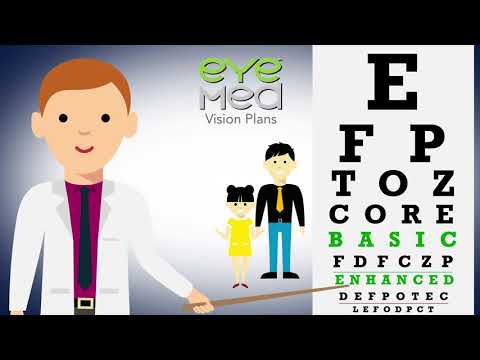
Hey there! Ever thought about how much you depend on your eyes? I mean, they help you catch a sunset, read that great book, or even see your friend’s wild dance moves at a party. Crazy, right?
Well, guess what? Eyemed is shaking up the eye care game with some seriously cool tech. We’re talkin’ smart solutions that make taking care of those peepers super easy and way more fun!
Curious? Stick around! You’re gonna want to dive into how this tech is here to keep your vision sharp and stylish. Let’s get into it!
Where to Find Optical Retailers That Accept EyeMed Insurance for Glasses
Finding the right place to get your glasses when you have EyeMed insurance can feel a bit like searching for a needle in a haystack. But don’t worry, I got your back! There are several ways to track down optical retailers that accept EyeMed insurance, and it’s pretty straightforward.
First off, you can visit **EyeMed’s official website**. They have a “Find a Provider” tool that’ll help you locate eye care professionals nearby. It’s super easy, just punch in your zip code and voilà! You get a list of optical retailers that work with EyeMed.
You might also want to call up local eye care centers directly. Just ask if they accept EyeMed insurance. Sometimes, they might even offer special promotions if you’re using your benefits with them!
Another good option is to check out major retail chains like **LensCrafters**, **Pearle Vision**, and **Walmart Vision Centers**. These places often partner with EyeMed and have lots of frames to choose from.
If you’re into techy stuff, there are online retailers too! Websites like **Zenni Optical** or **Warby Parker** may have options for you if they’re partnered with EyeMed. Just remember to double-check their policies on insurance before making any decisions.
Here’s a quick recap of where to check:
- Visit the EyeMed website for provider search
- Call local eye care centers
- Look at major retail chains like LensCrafters or Walmart
- Explore online options like Zenni Optical
The important thing is to always verify before you buy anything. After all, getting the right pair of glasses shouldn’t be stressful! And remember, this info doesn’t replace professional healthcare advice; always consult an expert if you have more questions about your vision needs. Happy shopping for those specs!
Understanding Vision Insurance: Commonly Excluded Items and Coverage Gaps
So, let’s chat a bit about vision insurance, alright? It’s one of those things you might have, but do you really know what it covers? With plans like Eyemed Vision, there can be some neat perks and techy enhancements for your eye care. But wait! There are also some commonly excluded items and coverage gaps that you might wanna keep an eye on—see what I did there?
First off, here are a few common exclusions you should be aware of:
- Elective procedures: Things like LASIK often aren’t covered. If you’re dreaming of ditching your glasses for good, it might cost you out-of-pocket.
- Certain lens types: Specialty lenses or extras like photochromic lenses might not fit into your coverage. It’s always good to ask before assuming they’re included.
- Non-prescription eyewear: Sunglasses that don’t come with a prescription usually won’t be covered either. Bummer, right?
Then there are those pesky coverage gaps. You know what I mean:
- Lack of comprehensive exams: Some plans only cover basic exams. If you’re looking for a thorough check-up, make sure it’s in the plan.
- Waiting periods: A lot of insurance plans have waiting periods before certain benefits kick in. So if you need new glasses ASAP, you could be waiting longer than you’d like!
- No coverage for dependents: Sometimes the plan just doesn’t extend to your family members. Check if they get the same perks as you do.
So here’s the thing: understanding your vision insurance is super important. And while Eyemed Vision can really elevate your experience with smart tech solutions—like online appointment scheduling or virtual eye exams—you still wanna read the fine print.
Be informed! The last thing you want is to find out something isn’t covered when you’re standing at the optometrist’s office holding those shiny new frames. And remember, this info is just for understanding; always reach out to a healthcare professional or your insurer for specifics on coverage!
Understanding EyeMed’s Coverage: Frequency of Glasses Payments Explained
Understanding EyeMed’s coverage can make a real difference when it comes to managing your eye care costs. You know how important it is to see clearly, and knowing what your plan covers helps you budget better. So, let’s break it down.
When it comes to **frequency of glasses payments**, EyeMed usually has some specific guidelines. Generally, you can expect to receive coverage for new glasses once every **12 months**. This means if you got a new pair last November, you’ll typically be eligible for another pair this coming November. It’s all about giving your eyes what they need as they change over time.
Here’s what you might want to keep in mind:
- Annual benefit resets: Your benefits reset each year, giving you that fresh start with coverage.
- Frames and lenses: EyeMed often covers both frames and lenses under the same cycle, which is super nice.
- Discounts: If you’re itching for a second pair or just want some stylish shades, discounts usually apply outside the regular benefit period.
I remember my friend Sam who always put off getting new glasses because he thought he’d have to pay full price every single time. After diving into his EyeMed plan, he discovered those annual resets meant he could get those much-needed specs without breaking the bank!
Keep in mind that while this gives you a good overview, it’s always smart to double-check the details of your specific plan since they can vary a lot. You get clarity on costs and options—so no surprises down the road!
So next time you’re thinking about updating your eyewear or if you’ve noticed those glasses are looking a bit outdated, remember you’re likely set for another pair soon! It’s all about staying sharp (literally) without stressing too much about finances.
Elevating Eye Care: How EyeMed Leverages Smart Technology for Vision Improvement
Eye care is a big deal, right? With all the screen time we get these days, keeping our peepers healthy is super important. EyeMed is stepping up the game by using smart technology to help us improve our vision and understand our eye health better. Let’s break it down!
Personalized Vision Care
You know how everyone has unique fingerprints? Well, your eyes are no different! EyeMed uses advanced tech to offer personalized assessments based on your specific needs. This means they can give you tailored suggestions for glasses or contact lenses that suit you best.
Smartphone Integration
Ever thought about checking your vision from your phone? EyeMed’s got you covered! They’ve created apps that let you take quick vision tests at home. These tools can help you monitor changes in your eyesight over time. Cool, right?
Telehealth Options
You might not always want to trek out to see an eye doctor, especially if you’re busy or it’s storming outside. With EyeMed’s telehealth services, you can consult with professionals from the comfort of your couch. This makes it easier to ask questions and get advice without all the hassle.
Regular Updates
Staying on top of your eye health is crucial. EyeMed uses tech to provide regular reminders for check-ups and tips for eye care routines. It’s like having a little assistant reminding you to take care of those lovely eyes!
Remember that while these tech advances are super helpful, they don’t replace seeing a healthcare professional when needed. Always reach out to an expert for any serious concerns about your eyesight or overall health.
At the end of the day, our eyes deserve all the love and care possible! So keep them happy with some modern help from EyeMed’s smart technology—it’s like having a mini eye doctor in your pocket!
You know, when it comes to taking care of our eyes, it’s easy to forget how important they are. I mean, we rely on them for just about everything—reading, driving, even catching a movie with friends. Recently, I came across this Eyemed Vision thing that really got me intrigued because it’s all about blending eye care with smart technology.
Picture this: It’s a Saturday afternoon, and I’m sitting in the waiting room of my optometrist’s office. There’s a little girl next to me, her dad is trying to calm her down before her eye exam. She’s scared and fidgety, clutching onto her stuffed bunny like it’s a lifeline. It hit me then how anxiety-inducing these appointments can be. But with all the advancements in eye care tech—like what Eyemed is doing—it feels like we’re moving into a new era where things could get way easier.
Eyemed Vision uses smart systems that help not only in diagnosing eye problems but also in tracking your vision over time. Imagine having this kind of personalized experience where your doctor knows more about your eyes than you do! It almost sounds like something out of a sci-fi movie.
The cool part about all this is that it blends convenience with care. You can get reminders for check-ups right on your phone or keep tabs on your prescription without searching through piles of paperwork. And let’s be real: Who doesn’t want life to be a bit simpler? Sometimes I feel overwhelmed by all the health stuff we have to remember; having technology that helps manage that is pretty sweet.
But hey, while all this tech stuff sounds great and futuristic, it’s crucial not to forget that real-life human connection matters too. You still need those friendly faces at the doctor’s office who genuinely care about your health and well-being. Technology can do amazing things, but at the end of the day, you want someone who can explain things clearly and who’ll hold your hand (figuratively speaking) through the process—kind of like that dad with his little girl.
So yeah, Eyemed Vision seems like an exciting step toward smarter eye care that benefits everyone—from kids anxious about their first appointment to adults trying to make sense of their prescriptions after squinting at screens all day long. It’s nice to think about how far we’ve come and where we’re headed when it comes to health tech—makes you feel hopeful!
