

Hey there! Have you ever watched someone have a seizure and thought, “What’s going on there?” It can be pretty intense. Focal seizures, in particular, are like little storms in the brain that don’t always look like what you might expect.
Now, here’s the thing: understanding these symptoms can open up a world of better tech solutions. Yep, technology can actually help folks manage their experiences better. Crazy, right?
So let’s dive into what focal seizures are all about and why it matters for technology development. Trust me; it’s more fascinating than you might think!
Understanding and Describing the Experience of a Focal Seizure: A Comprehensive Guide
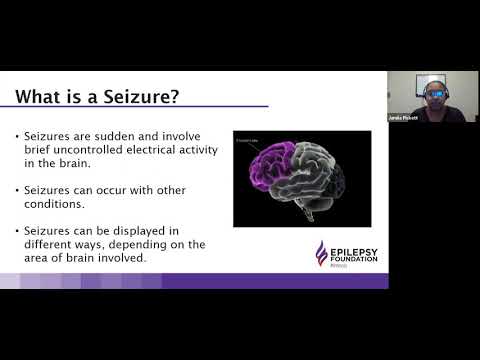
So, let’s chat about focal seizures. You might have heard this term tossed around, but what exactly are they? Well now, focal seizures are basically little electrical disturbances in the brain. They start in one specific area rather than affecting the whole brain at once.
When someone has a focal seizure, they might experience some very specific symptoms depending on where in the brain the disruption is happening. Here’s a quick rundown of what you might notice:
- Changes in awareness: You could feel a bit spaced out or confused.
- Cramps or twitching: Some folks get odd movements in one part of their body.
- Sensory symptoms: This might include tingling, or even strange smells or tastes!
- Emotional shifts: Feeling sudden anxiety or sadness is possible.
Imagine being at your favorite coffee shop, enjoying a latte with friends. Suddenly, you get this weird feeling—it’s like you’re still there physically but mentally you’re off in another world. That can be a bit disorientating!
Now, these episodes can last anywhere from a few seconds to a couple of minutes. And after it’s over, many people feel totally fine—like nothing happened. Others may need some time to shake off that fuzzy feeling.
It’s also super important to know that not everyone experiences these symptoms the same way. Everyone’s brain is unique; that’s why it’s crucial for anyone who thinks they’re having focal seizures to connect with a healthcare professional to talk about it.
To put it simply, understanding what happens during a focal seizure can help create better tech solutions—stuff like apps for monitoring symptoms or devices for alerting loved ones if something goes wrong! So knowing more about these experiences could really make a difference.
Anyway, I hope this sheds some light on what focal seizures are all about! Remember though, if you or someone you know has concerns about seizure activity, contacting a healthcare professional is always the best move. Stay curious!
Understanding Focal Seizures: Signs, Symptoms, and Visual Characteristics
So, let’s chat about focal seizures, okay? These little neurological events can be pretty puzzling, but understanding them doesn’t need to be rocket science. Focal seizures are a type of seizure that starts in just one part of the brain. That’s why they’re called “focal,” meaning focused or localized. It’s like when your favorite song plays on the radio, but only half of it comes through. You get some of the melody but miss a lot of the lyrics.
Now, you might wonder what they actually feel like or what happens during these episodes. Well, here are some signs and symptoms to look out for:
- Strange sensations: Some folks might experience unusual feelings like tingling or sudden bursts of emotional responses.
- Mild jerking movements: You might notice twitchy movements in just one arm or leg.
- Change in awareness: Sometimes people may seem “out of it” for a moment or two, almost like they’re daydreaming.
- Aura: This is a cool name for sensory warnings! Some people see flashing lights or have weird smells before the seizure hits.
The visual characteristics can be intriguing too. Picture this: someone might not fall down like in a dramatic seizure scene from the movies. Instead, they might just stare blankly for a while; maybe their eyes fluttering a little bit! This is really different from generalized seizures where everyone seems to go all out with shaking and convulsing.
You know, one time I was watching my friend during class when she suddenly spaced out for a bit. She looked totally lost! It caught my attention because it didn’t seem like she was napping—just kind of staring into space for 30 seconds. Later she said it was just one of those focal moments. It made me realize that sometimes these events fly under the radar!
If you ever suspect someone’s experiencing focal seizures—even if it’s just a hunch—it’s super important to encourage them to talk to a healthcare professional who can give them proper insight and support because I’m not here to replace that kind of expertise! Remember, understanding is key, and having information can help create better tech solutions and support systems for those affected by seizures.
Understanding Focal Seizure Symptoms in Children: Key Signs and Management Strategies
Focal seizures, also known as partial seizures, are pretty common in children. They occur when there’s abnormal electrical activity in one part of the brain. It’s important to recognize their symptoms so that kids can get the right support, you know? Here’s what to keep an eye on.
Signs of Focal Seizures can vary a lot. Some kids might not even realize they’re having one! Here are some key points about the symptoms:
- Altered Awareness: A child might seem dazed or confused during a seizure.
- Unusual Movements: Look out for twitching or jerking in just one arm or leg.
- Sensory Changes: Kids could report strange smells, tastes, or sensations that aren’t there.
- Emotional Shifts: They might suddenly feel anxious or upset for no clear reason.
You know how sometimes a kid can zone out and totally space out? That’s similar to what happens during some focal seizures. I remember my friend told me about her son who would just stare blankly at the wall for a minute or so. She thought he was daydreaming until she learned it could be a seizure!
If you suspect a child is having focal seizures, keeping track of what happens during these episodes can be super helpful for their healthcare provider. It helps them understand patterns and decide on the best way to help, which is essential!
Management Strategies vary and depend on each child’s needs. Some children may need medication prescribed by a healthcare professional if they’re having frequent seizures. Others might benefit from lifestyle changes like getting enough sleep or reducing stress—simple stuff that makes a big difference!
The important thing here is that while recognizing these signs is crucial, nothing beats talking to a healthcare expert about any concerns you have. So don’t hesitate to reach out if you’re worried about symptoms! Just remember—understanding focal seizures doesn’t have to be overwhelming; it’s all about keeping communication open and staying informed.
Understanding Focal Epilepsy: Is a Cure Possible?
Focal epilepsy can be a tricky thing to wrap your head around, right? So let’s break it down. Basically, focal epilepsy is when you have seizures that start in just one area of the brain. This means the symptoms can really vary from person to person, depending on where those pesky seizures are starting.
Symptoms of focal seizures might include things like unusual sensations or movements, confusion, or even emotional changes. Sometimes, people might experience funny smells or tastes right before a seizure hits. It’s definitely not fun to deal with!
Now, you might wonder if there’s a cure for focal epilepsy. Well now, that’s a million-dollar question! The truth is that while there are treatments available—including medications and sometimes surgery for those who need it—there isn’t a universal cure at this time. But hey, researchers are always working hard to find better solutions and technology is stepping up too.
Think about it: advancements in tech mean there are new ways to monitor seizures. Devices can help alert you or your loved ones when something’s up! That can make a huge difference in managing daily life with epilepsy.
Here are some key things to remember about focal epilepsy:
- Seizures start in one part of the brain.
- Symptoms vary widely among individuals.
- There isn’t a definitive cure yet, but treatments exist.
- Tech innovations are improving how we monitor and manage seizures.
So yeah, if you or someone you know is dealing with focal epilepsy, it’s important to talk with healthcare professionals who can provide support and resources tailored to individual needs. It’s all about finding what works best for you—and staying informed along the way!
So, let’s chat about focal seizures for a moment. You know, it’s something that often flies under the radar. I mean, when people talk about seizures in general, they might picture the big ones that everyone hears about—those dramatic moments you see in movies, right? But focal seizures can be a bit different and way more subtle.
Picture this: my friend Sarah had her first seizure while we were watching a movie. One second she was laughing at a joke, and the next she kinda spaced out for a minute. It was super unsettling! We didn’t really know what was going on at first. Turns out she was having a focal seizure, which means it started in one part of her brain and affected her differently than those full-body convulsions you usually expect.
Focal seizures can show up as weird sensations or feelings. Sometimes people might see flashing lights or hear strange sounds that aren’t really there—like their mind is playing tricks on them! Other times they might just zone out or do some repetitive movements without even realizing it. That’s what makes them so tricky; they can be easily missed or mistaken for something else entirely.
And here’s where technology comes into play! With everyone glued to their screens and devices nowadays, it’s awesome to think how tech can help people like Sarah manage these symptoms better. There are apps that can track seizure activity or remind folks to take their meds. Some even provide data to share with doctors! How cool is that? Imagine having all that information right at your fingertips.
But still, it’s important to remember this doesn’t take the place of professional care. Tech is a tool, not the answer itself. So if you’re dealing with something like this—or know someone who is—getting proper medical advice is key.
Anyway, hearing more about those subtle signs helped me understand things better. It made me realize how important awareness can be—not just for those experiencing seizures but also for friends and family who want to help. Learning about focal seizures opens up conversations and builds understanding, which could lead to better support systems and tech innovations down the line.
So yeah, keep chatting about these topics! It makes a difference, and who knows what cool solutions we might come up with next?
