

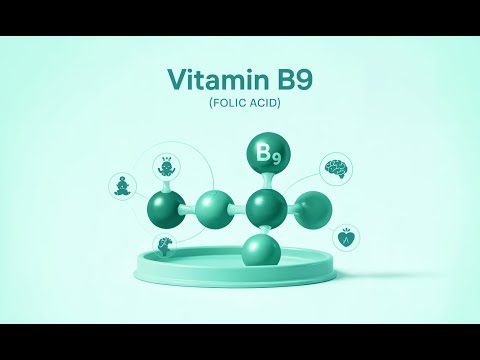
Hey there! So, let’s chat about folic acid. You might’ve heard of it before, but what’s the big deal? Seriously, this little vitamin packs a punch!
Folic acid is super important for our bodies, especially if you’re thinking about having kids or just want to stay healthy. It helps your cells grow and keeps everything running smoothly. And honestly, who doesn’t want that?
Here’s the kicker: a lot of people don’t get enough of it in their diet. No worries, though—this guide is gonna break it all down for you. We’ll talk about why you need it, where to find it, and how to make sure you’re getting enough. Curious? Let’s dive in!
Daily Folic Acid Intake: Benefits, Risks, and Recommendations
Folic acid, or vitamin B9, is like that friend who always shows up with snacks when you need them. Seriously, it’s super important for your body. You might be hearing about it a lot, especially if you’re pregnant or thinking of becoming a parent. But what’s the deal? Let’s break it down.
First off, what are the benefits?
- It helps in making DNA and supporting cell division.
- Folic acid is crucial for pregnant women. It helps prevent serious birth defects in the baby’s brain and spine.
- Plus, it can help with your mood and keep your energy levels up. Who doesn’t want that?
Now, let’s talk about some risks. You might be thinking, “Can too much of a good thing be bad?” Well, you’re right!
- Excessive folic acid can mask vitamin B12 deficiency symptoms, which can lead to nerve damage if it’s not caught early.
- Some studies suggest high levels might increase the risk of certain cancers. So moderation is key!
When it comes to recommendations, here’s a quick rundown:
- For most adults: around 400 micrograms (mcg) per day is recommended.
- If you’re pregnant: bump that up to about 600 mcg daily!
- Nursing moms should aim for about 500 mcg each day.
One time I was chatting with my friend Sarah who was newly pregnant. She had no idea about folic acid’s importance until her doctor mentioned it. It made her realize how crucial those little vitamins are during such an exciting time in life!
So remember, while folic acid has tons of perks, balance is everything. If you’re thinking about supplements or dietary changes, don’t forget to touch base with a healthcare professional—that’s super important!
4 Warning Signs of Folic Acid Deficiency: How to Recognize Your Body’s Needs
Hey there! Have you ever thought about how important folic acid is for your body? It’s one of those vitamins that often gets overlooked, but it plays a crucial role. So, let’s talk about some warning signs that may hint at a folic acid deficiency. Remember, this info doesn’t replace professional healthcare!
1. Unexplained Fatigue
If you’re feeling unusually tired, like you can’t keep your eyelids open no matter how much coffee you drink, it could be more than just late nights. Folic acid helps your body make red blood cells, which are super important for carrying oxygen. Without enough of it, you might end up feeling really drained.
2. Mood Changes
So, let’s say you’re feeling more down than usual or maybe even irritable for no apparent reason. Folic acid is linked to mental health—yup! It helps produce serotonin, often called the “feel-good” hormone. If you’re suddenly feeling more moody than normal, it might be your body asking for some extra love.
3. Pale Skin or Shortness of Breath
If you’ve noticed that your skin looks a little paler or you’ve been gasping after climbing just a few flights of stairs—you know what I mean—this could signal that something’s off with your folic acid levels. Your body needs this vitamin to keep everything running smoothly.
4. Digestive Issues
Feeling gassy or having an upset stomach way too often? Your digestive system is highly sensitive to nutrient levels, and low folic acid can mess with it. You might find yourself dealing with nausea or changes in appetite as well.
So there you have it! These symptoms are ways your body might be telling you to check in on your folic acid intake. It’s all about listening to what your body has to say!
Essential Vitamins to Complement Folic Acid for Optimal Health
Folic acid, wow, that little vitamin sure gets a lot of attention, huh? It’s super important for making new cells and is especially vital for pregnant folks. But you know what? Folic acid doesn’t work alone. There are some other essential vitamins that really team up with it to help you maintain good health. Let’s dive in!
Vitamin B12 is like the sidekick to folic acid. They both work together to keep your blood cells healthy and support brain function. You can find B12 in foods like meat, eggs, and dairy products. So if you’re not getting enough of this vitamin, it might affect how well folic acid does its thing.
Another buddy to have in your corner is Vitamin B6. This one helps your body use protein and carbohydrates, making it a great match for folic acid! You can spot B6 in foods like bananas and chickpeas. If you’re aiming for optimal health, having these two vitamins around can be quite beneficial.
Let’s not forget about Vitamin C. It assists in the absorption of iron—very important when you’re thinking about overall health too! Think oranges or strawberries. Plus, Vitamin C can help keep your immune system ready to tackle anything that comes its way.
You might also want to check out Vitamin D. This one’s crucial for strong bones and overall well-being, so it’s absolutely worth considering alongside your folic acid intake. You get this vitamin from sunlight or foods like salmon and fortified milk.
So there you go! Folic acid’s got its friends to back it up: Vitamin B12, B6, C, and D are all essential companions on this journey toward good health. Just remember: this info is great for learning but doesn’t replace what a healthcare professional could advise you on nutrition or supplementation! Stay healthy out there!
Understanding the Link Between Folic Acid and Heartburn: Causes and Solutions
Alright, so let’s chat about folic acid and how it connects to that annoying thing called heartburn. You might be wondering what a vitamin has to do with burning sensations in your chest, right? Well, here’s the scoop.
Folic acid is a B-vitamin that’s super important for our bodies. It helps with cell growth and is crucial during pregnancy. But did you know that it might also have an impact on digestion? Here’s where things get interesting.
Some people find that when they take too much folic acid, or when their bodies struggle to absorb it properly, it can lead to digestive issues. And these issues sometimes manifest as heartburn. Crazy, huh?
- Heartburn triggers: Foods rich in folate like leafy greens and beans are great for you but can be heavy on the stomach. If you’re not used to them or eat too much at once, you might feel that burn.
- Dosage matters: Consuming high doses of synthetic folic acid (like those in supplements) can upset your stomach.
- Your body’s absorption: If your body struggles with absorbing folate naturally from foods due to certain conditions, changes in digestion may occur.
I remember the first time I started taking a prenatal vitamin packed with folic acid. I thought I was doing something great for my health! But guess what? I ended up feeling like a fire-breathing dragon for days! Turns out my stomach wasn’t a fan of all that extra vitamin.
If you’re feeling heartburn after upping your intake of folic acid-rich foods or supplements, don’t ignore it. You might want to consider balancing things out by adjusting what you eat or talking with someone who knows their stuff when it comes to health—like a doctor or a registered dietitian.
The thing is, understanding how folic acid affects your body can help you enjoy its benefits without the side effects. And everyone deserves food without the fiery aftermath! So keep this info handy and listen to your body—it knows best!
Folic acid, huh? That little superstar vitamin often hangs out in the background, but it’s more important than you might think! I remember when my friend Sarah was pregnant; she was all about taking her prenatals. She mentioned folic acid a million times, so I started digging deeper into why it’s such a big deal.
So, what’s the scoop on folic acid? Well, it’s a type of B vitamin that helps your body create new cells. Yup, you heard that right—new cells! This is super crucial for everyone but especially important for pregnant folks. It can help prevent certain birth defects and support healthy growth in babies. Seriously, how amazing is that?
You can find folic acid in various foods like leafy greens, beans, and even some fruits. Did you know that orange juice has it too? So, if you’re guzzling down OJ in the morning, hey—bonus points for your health! But here’s the thing: sometimes our diets don’t cut it, and that’s where supplements step in.
It’s wild how something so simple can pack such a punch. On days when I’m feeling sluggish or just not at my best, I think about these nutrients and how they keep us going. Like when Sarah had those pregnancy cravings—I mean who could keep up with all that energy? Folic acid played its part behind the scenes.
And of course, while it’s easy to get excited about vitamins like this one, it’s super important to remember not to rely solely on them for good health. You gotta balance things out with a variety of foods and listen to what your body needs. Seriously though—talking to your healthcare provider is the best way to figure out what’s right for you.
So next time you hear someone mention folic acid or see it on a label while shopping—give a little nod of appreciation! It’s doing some heavy lifting behind the scenes without asking for any credit. Amazing how something so small can make such a big difference in our lives!
